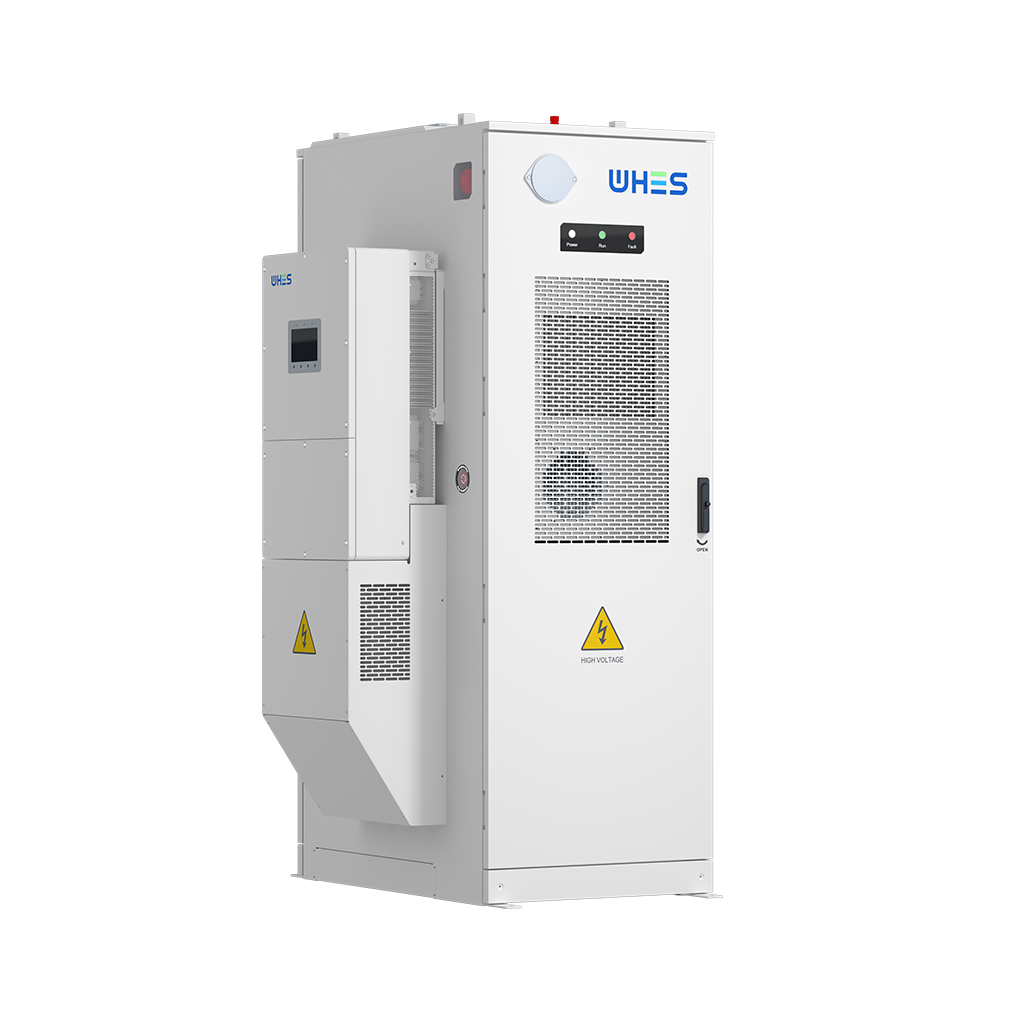
The problem-first view: thermal runaway is not a paper exercise
When a string of lithium-ion cells goes unstable, you don’t just lose capacity — you face escalating heat, venting, and possible fire spread. That’s the core problem asset managers worry about, lah. In utility-scale projects that pair with large PV arrays, choosing the right thermal design is as strategic as choosing site or dispatch strategy. Early in the project lifecycle many teams start by comparing basic options for solar battery storage, but the real decision should start with: how do we mitigate thermal runaway and protect grid reliability?
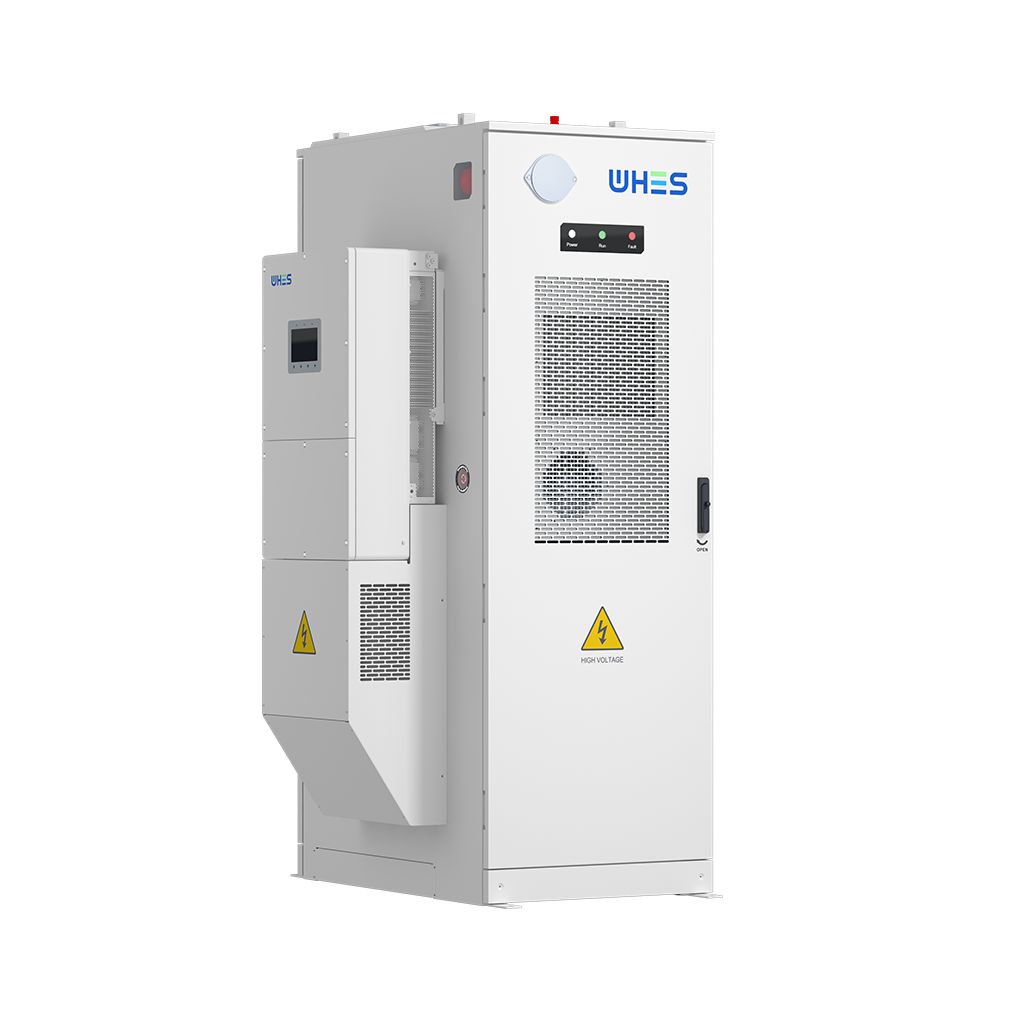
Why air-cooled designs can struggle under stress
Air-cooled battery racks are simpler and cheaper at first. But air is a poor conductor of heat, so hotspots form across modules. Hotspots make thermal runaway more likely because uneven temperatures stress cells and complicate cell balancing. Also, when ventilation relies on ambient conditions, humidity and dust can erode performance and require more maintenance than expected. For utilities running long-duration cycles or high C-rate dispatches, these weaknesses become operational risk not just installation detail.
How liquid cooling addresses the thermal-runaway vector
Liquid-cooled systems extract heat directly from module surfaces, delivering far more uniform temperature control. This uniformity reduces thermal gradients that trigger cell imbalance and runaway. Rapid heat rejection also means the battery management system (BMS) has more headroom to control state of charge (SoC) limits during grid events. In practice, liquid cooling can lower steady-state operating temperatures and slow calendar and cycle degradation — which helps asset managers meet availability SLAs.
Integration matters: BMS, controls, and safety architecture
Cooling choice is only part of the story. The BMS must talk to thermal controls, protection relays, and fire suppression systems. Proper integration enables automated cell isolation, fault detection, and controlled discharge to safe SoC bands when temperatures climb. Without coordinated controls, even the best liquid-cooled hardware cannot prevent propagation if a cell fault goes undetected. Systems that support cell-level telemetry and cell balancing give operators early warning — that’s the difference between a contained event and a sectional shutdown.
Operational trade-offs asset managers weigh
Liquid systems bring complexity: coolant loops, pumps, heat exchangers, and occasionally chillers. That raises capex and creates new maintenance scopes. But the trade is longer useful life, tighter performance under stress, and reduced fire-suppression escalation. For installations in confined substations or urban nodes, the improved thermal density of liquid-cooled designs can be the decisive advantage. Large-scale sites that provide frequency response or peaker replacement often find the extra reliability offsets the higher initial spend.
Common mistakes teams make — and how to stop them
1) Treating cooling as an afterthought. Design it with cell chemistry and cycle profile from day one. 2) Assuming manufacturer specs translate to site reality — plan for commissioning trials with actual PV infeed and dispatch patterns. 3) Neglecting the logistics of coolant handling and freeze protection in cold climates. – Also, don’t forget containment planning: thermal events are rare but messy, so design safe venting, drip trays, and module separation.
Real-world anchor: why large projects pushed the industry to adapt
Look at big grid installations like the Hornsdale Power Reserve in South Australia — such projects proved batteries can deliver grid services reliably, but they also taught the industry hard lessons about performance under heavy dispatch. Asset managers learned to prioritise systems that combine robust thermal control with high-fidelity monitoring. Hybrid architectures — combining fast-response inverter control with modular cooling — are emerging as practical solutions for utilities seeking both capacity and safety. If you’re exploring options, also review hybrid energy storage system offerings that package cooling and controls tightly together.
Three golden rules for selecting the right thermal approach (advisory)
1) Measure total system risk, not headline cost: evaluate expected degradation, forced-outage frequency, and fire-suppression costs over the asset’s life. 2) Demand integrated testing: require site acceptance tests that include full-stack thermal events, BMS interactions, and emergency isolation procedures. 3) Check service ecosystem: ensure vendor offers remote diagnostics, spare-parts logistics, and trained maintenance support — these reduce mean time to repair and keep availability high.
Closing thought
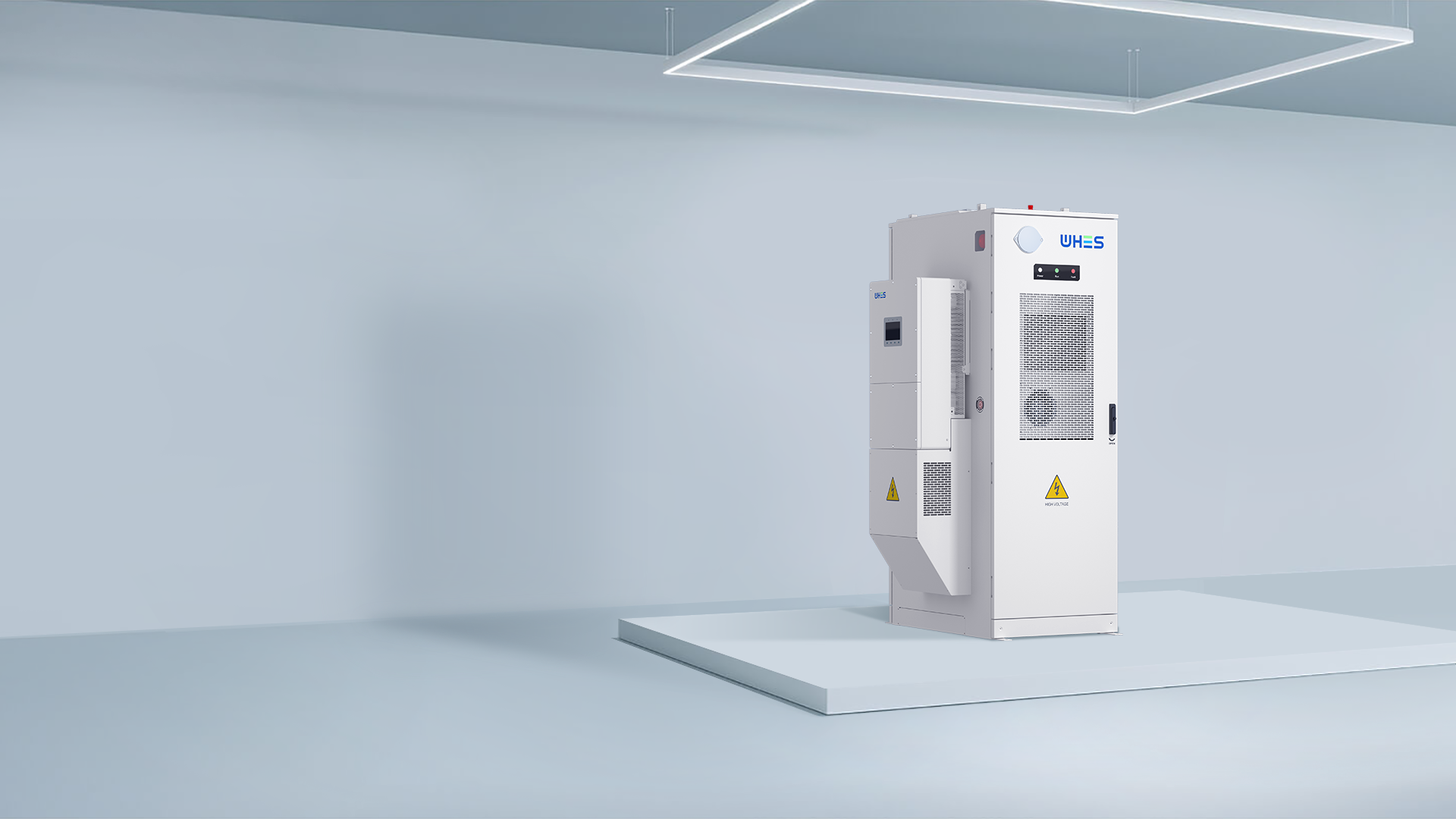
Asset managers choosing between liquid and air cooling are balancing upfront complexity against long-term reliability; when grid stability, safety, and lifecycle economics matter, liquid-cooled grid batteries often win that trade. For projects that must marry safety and service continuity, a partner that integrates thermal engineering, controls, and lifecycle support makes the decision simpler — and that’s the practical value firms like WHES bring to the table. —
– solid.