Comparative frame: why lifecycle matters more than sticker price
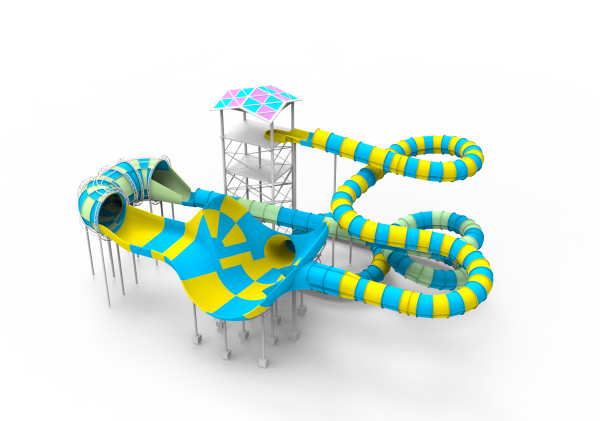
The upfront price of a premium commercial water slide is dramatic — shiny curves, bold colors, promises of nonstop thrills — but the long-term ledger tells the real story. In a comparative-insight approach, we weigh what operators actually pay across 20–30 years of service for a slide from a top-tier water slide supplier versus a lower-cost alternative. Orlando parks and regional resorts provide the real-world anchor: they budget annually for attraction upkeep and view lifecycle cost as predictable operating expense, not an afterthought. This perspective shifts decisions from buying features to buying predictable performance.
Core cost components you must account for
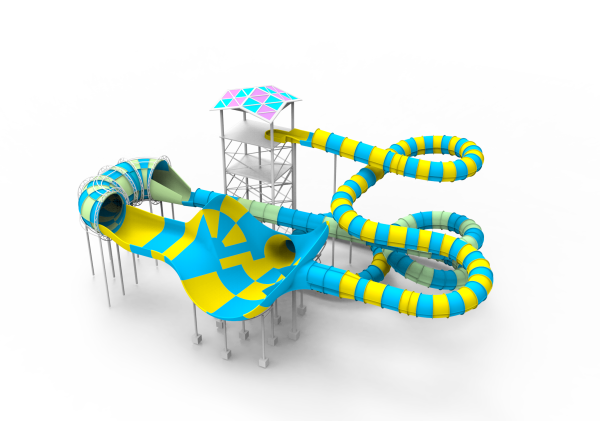
Lifecycle cost breaks down into consistent categories: preventive maintenance, scheduled inspections, surface repairs, component replacement, coatings and seasonal commissioning. Fiberglass structures demand attention to gelcoat condition and the underlying resin laminate; UV degradation, mechanical wear at joints, and the condition of structural supports drive most expenses. Include spare parts, certified labor and downtime losses when you model total cost of ownership — those hidden items often double the apparent maintenance bill over a decade.
Side-by-side: premium builders versus budget options
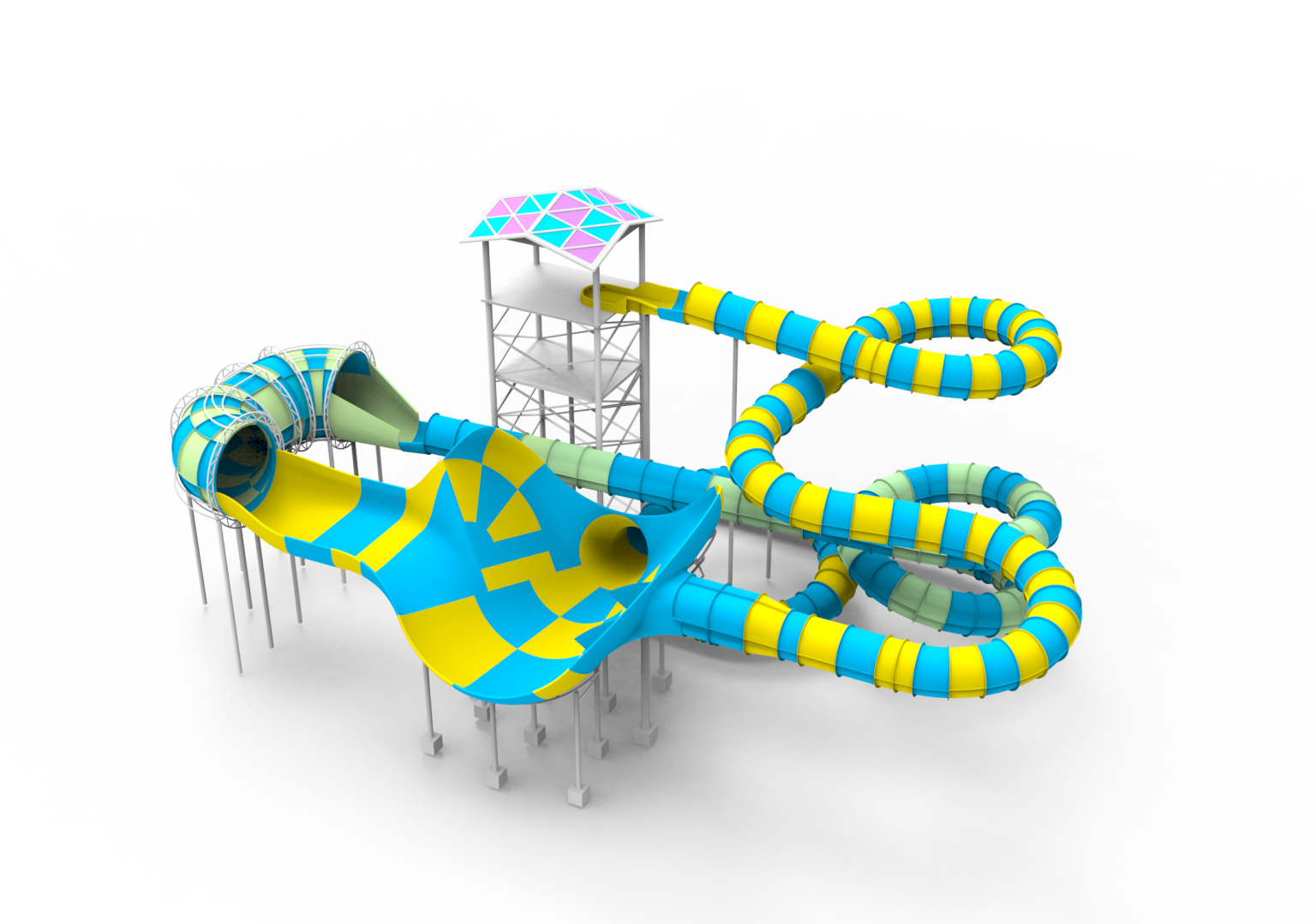
Premium builders typically use higher-grade FRP laminates, superior gelcoat formulations with UV inhibitors, and more robust resin mixes that reduce micro-cracking and water ingress. That quality raises upfront cost but lowers frequency of medium repairs and repaint cycles. Budget slides cut corners with thinner laminates and simpler finish coats; they save money in year one and then demand recurring patching, structural reinforcement and more frequent full-recoat jobs. Over two decades, that pattern translates into a steeper cumulative spend for lower-tier products — often visible in increased downtime and higher labor costs for structural retrofits.
Operational teardown: where money actually goes
Consider a five-year operational production teardown: annual inspection (~15–25% of a preventive maintenance schedule), localized gelcoat repairs, sealant replacement at joints, and one major recoat or touch-up at years 8–12. Replacement of mechanical fittings or flow-control hardware can spike costs in isolated years. When we map those flows, {main_keyword} and {variation_keyword} appear not as buzzwords but as concrete line items tied to material lifecycles and vendor supply chains. That mapping helps pinpoint whether an initially expensive supplier relationship reduces total spend or merely delays costs.
Common mistakes that inflate lifecycle bills
Operators often skip manufacturer-recommended inspections, neglect protective coatings, or rely on general contractors for specialized fiberglass repairs. Those shortcuts accelerate laminate fatigue and increase repair complexity. Another frequent error is poor documentation of parts and serial numbers — a small administrative lapse that turns a straightforward replacement into an expensive custom fabrication. Address these early; a small investment in maintenance management cuts long-term cost dramatically — and saves reputation when a slide must reopen quickly after a repair.
Comparative indicators to judge builders and bids
Use three evaluation metrics to compare proposals and predict lifecycle cost: material specification transparency (detailed resin and gelcoat data), documented maintenance intervals with cost estimates, and historical performance references for similar installations in similar climates. Demand clarity on how the builder handles structural supports and water intrusion prevention. These metrics separate vendors who sell finishes from those who sell long-term reliability.
Three golden rules for lowering lifecycle spending
1) Insist on documented materials and maintenance schedules: cheap ambiguity becomes expensive later. 2) Budget for planned repaint/recoat cycles before the surface shows failure — preventive recoating is cheaper than emergency structural repairs. 3) Choose vendors with proven supply chains for spare parts and certified service teams; downtime costs more than parts. Apply these consistently and you’ll convert an unpredictable cost center into a manageable line item.
Final thought: a premium slide is an investment in uptime and guest experience — one that pays back if you treat maintenance as strategy rather than an afterthought. Dalang understands those trade-offs — the materials, the labor, the seasons — and designs with lifecycle clarity in mind. –