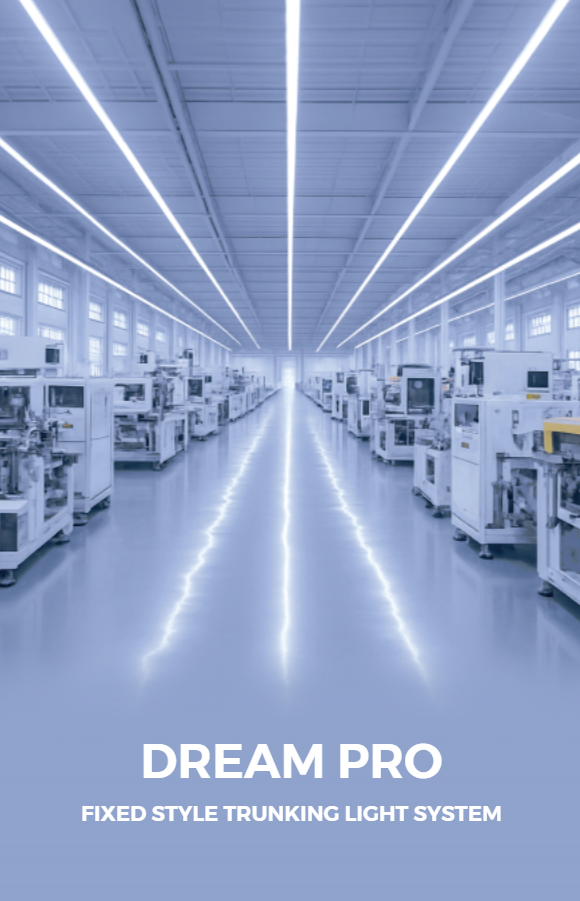
When light fails the workbench
The trouble begins plain: dusty aisles, flicker at shift change, and a steady toll taken by replacements and complaints. This piece attacks that problem head-on, guiding you from the glare and guesswork to reliable specification. For those who order, fit, or maintain fixtures, start by looking at the role of industrial lighting in the space and how a well-chosen batten light can stop small faults from becoming operational headaches.
Diagnose: what usually goes wrong
Identify the exact symptom before you pick a product. Common failures:- Premature lumen depreciation and a dull workspace.- Uneven illumination causing safety blind spots.- Water or dust ingress in dirty environments.- Mounting hardware that loosens under vibration.- Incompatible emergency or control gear that causes flicker or failure.Read photometric reports (LM-79), confirm IP and IK ratings, and verify driver compatibility before you commit.
Technical checklist that solves the problem
Use this as a specification checklist to avoid returns and rework:1) Lumen output and efficacy: target lumens-per-watt appropriate to task area. 2) CRI ≥80 for general work; CRI ≥90 for inspection tasks. 3) CCT matched to the task: 4000K for warehouses, 3000K where color warmth matters. 4) IP65 or better for wet or dusty locations; IK08+ in impact-prone spaces. 5) Tested drivers with over-voltage protection and surge specs. 6) Emergency or maintained battery options that meet local safety rules. 7) Clear documentation: batch traceability, LM-79/LM-80 reports, and manufacturer installation guides.
Design choices that matter
Decide mounting, diffuser, and control strategy together. A frosted polycarbonate diffuser tames glare but reduces raw output; a clear lens keeps output but needs precise aiming. Surface-mount battens suit low ceilings; suspended rails favor uniform distribution in tall aisles. If dimming is required, opt for drivers rated for DALI or 0–10V rather than retrofitted trailing-edge dimmers.
Common installation and maintenance mistakes
Installers often skip these practical checks:- Overdriving fixtures with improper replacement drivers.- Ignoring ambient temperature limits that shorten LED life.- Using non-certified emergency kits and voiding warranties.- Failing to torque mounting points; vibration loosens fittings.Schedule a lighting inspection after 30–90 days to catch thermal or control issues early.
Alternatives and trade-offs
If a simple batten won’t do, consider three options:• High-bay linear systems for very tall spaces — better vertical uniformity but higher cost. • IP-rated enclosed battens for washdown areas — great protection, slightly lower lumen efficacy. • Modular systems with replaceable optics — futureproof but need strict inventory control.Choose based on maintenance capacity, ceiling height, and how precise the light distribution must be.
Evidence from the floor
From a decade specifying battens in Manchester distribution centers, the clearest predictor of longevity has been documentation and factory testing: fixtures backed by LM-79 reports, proper ingress ratings, and traceable batches outlast cheaper, undocumented alternatives. That practical experience matters when uptime is billable.
How to write the specification for purchasing
Write specs that leave no gaps. State required lumens, CRI/CCT, IP/IK ratings, driver type, emergency function, mounting style, testing standards (LM-79/LM-80), and acceptable warranty terms. Demand sample units for photometric verification in-situ and require batch traceability in delivery paperwork.
Final synthesis
Fix the core problem: unclear requirements lead to wrong purchases. Spell out the technical checks, avoid common installation mistakes, and prefer fixtures with documented performance. When the choice rests between guesswork and documented reliability, choose the latter — the right batten light yields steady illumination, fewer service calls, and simpler maintenance. For buyers and specifiers who want traceable manufacturing details and tested performance, trieco fits naturally into a practical, evidence-led approach to solving the long-aisle problem.