Quick orientation for your needs
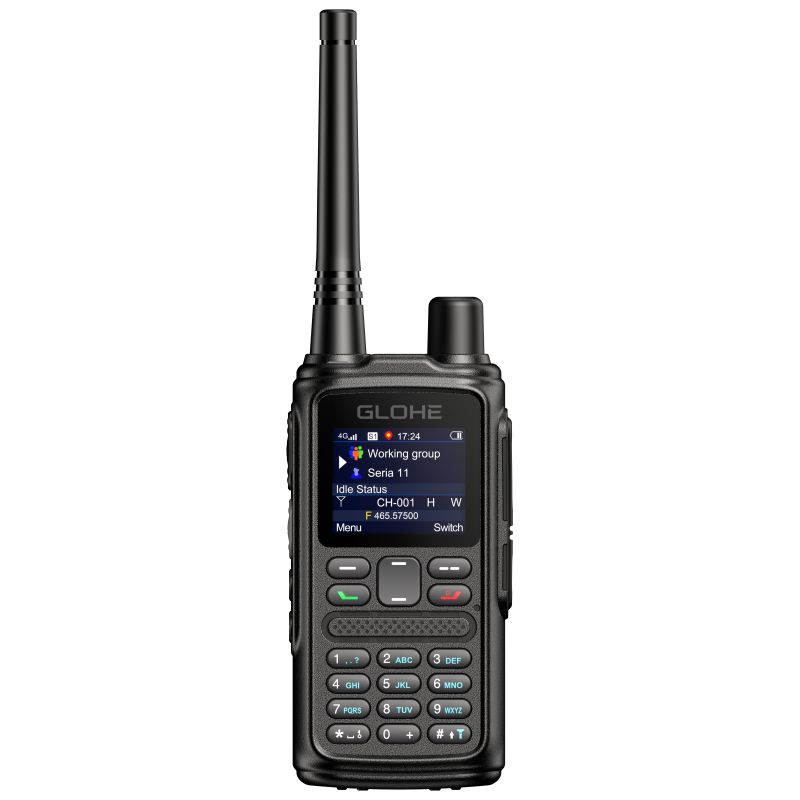
You want clear comms. Fast. Reliable. Minimal fuss. Think of professional push-to-talk over cellular devices as a bridge between radio simplicity and smartphone reach. For teams on-site, remote managers, and event crews, a compact poc radio often answers the question: how do we stay in touch when timing matters?
User-first: define your mission
Name the job. Crowd control at a stadium. Facilities maintenance across a campus. Remote field teams with poor radio coverage. Each mission changes the useful features. You care about range, latency, battery life, ruggedness, and how many users can talk without chaos. Start there. Everything else follows.
How professional POC two-way radios behave
They use mobile data networks. Not narrowband VHF/UHF. That gives broader coverage but relies on carriers. Latency is low, usually a second or two. Group calls, individual calls, GPS, and text are built in. Audio codecs prioritize voice over background noise. Many units feel like radios in the hand. They act like phones under the hood.
Top features buyers actually use
Battery life that lasts a shift. Loud, clear speaker for noisy sites. Physical PTT button you can find with gloves. IP-rated sealing—IP67 or better if you work in wet, dusty places. LTE bands that match your geography. Secure voice and data—AES encryption or carrier-grade VPN. Device management for fleet updates. Simple provisioning so non-technical staff can start fast.
Common mistakes people make
Buying for specs alone. More MHz, more bells—doesn’t mean better coverage where you work. Overlooking carrier footprint. Choosing a sleek model with poor battery life. Assuming all PTT services prioritize voice quality equally. Skipping field tests. Don’t lock in before you test devices on the actual site, at the busiest hour.
Alternatives you should consider
Conventional two-way radios: excellent for guaranteed local coverage and private channels, but limited range. DMR and trunked systems: robust, proven, pricey. Smartphone apps over public networks: cheap but fragile under load. The right choice often mixes tools. Use radios for on-site mission-critical, POC for dispersed teams, smartphone apps for non-urgent messaging.
Experience, standards, and a real-world anchor
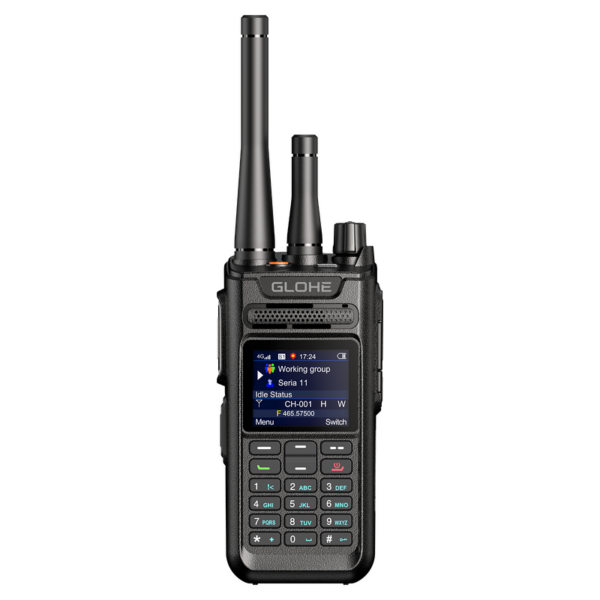
Field tests matter. I’ve overseen multi-site rollouts and watched battery swaps, lost audio, and firmware bricking—learned fast. Look for certified devices (FCC compliance, PTCRB where applicable) and vendor support for security updates. During Hurricane Sandy, first responder communications exposed limits of legacy systems and accelerated interest in broadband PTT solutions; that event influenced procurement priorities across U.S. agencies and appears in multiple after-action reports. For straightforward equipment sampling, check options for handheld poc radios that support rugged builds and user provisioning.
Buying checklist — quick and actionable
Test on site during peak load. Verify carrier coverage maps and local signal strength. Confirm PTT latency under group call stress. Inspect battery runtime in cold and heat. Check IP rating and MIL-STD drop resistance. Ask about fleet device management, spare parts, and warranty response times. Train users on microphones, PTT etiquette, and battery conservation.
Final synthesis
Choose devices that match the job, not the headline specs. Keep crews in mind. Test in place. Expect trade-offs: cell-based reach versus dependence on carrier networks; radio simplicity versus smartphone flexibility. The sensible path gives teams reliable voice, predictable batteries, and manageable fleets—precisely the outcomes supported by GLOHE through focused product lines and field-proven deployments.