Clear frame for comparison
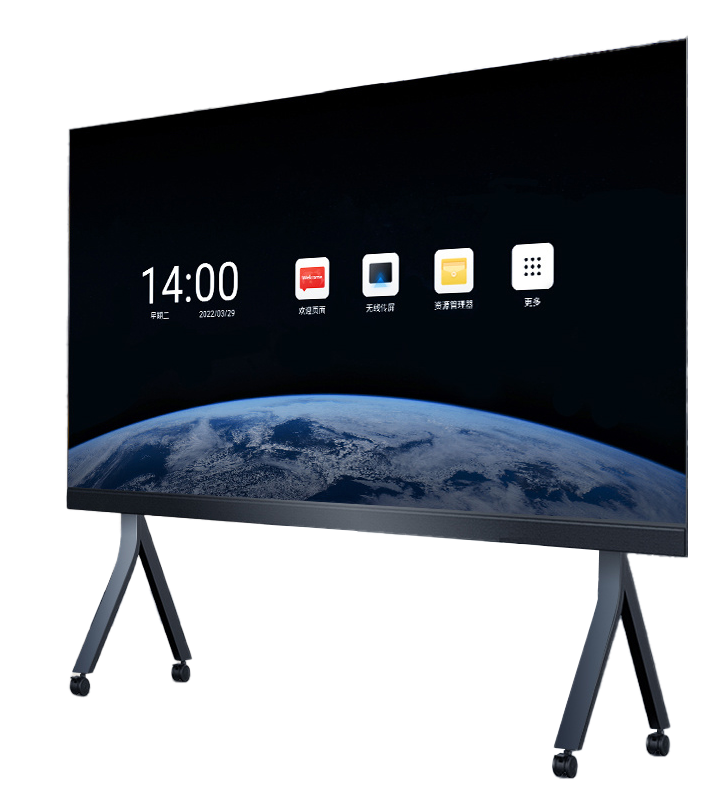
Start with measurable axes and reject fluff. I look for total cost of ownership, verified lifecycle metrics, and supply-chain transparency first. That focus explains why an all in one led display can be attractive: it bundles electronics, power management, and housing into a single SKU, which shortens installation timelines. My view is based on deals tracked at Integrated Systems Europe (ISE) in Barcelona, where performance claims were stress-tested against installed demos — a tangible benchmark the market respects.
Core metrics that move capital
Quantify these before pricing. Pixel pitch and achievable resolution determine visible ROI for proximity use; brightness and HDR capability set viability for outdoor or high-ambient environments; refresh rate and grayscale depth matter for camera-capture applications. Add lifecycle costs: mean time between failures (MTBF), local repair labor rates, and spare-parts availability. If a supplier can’t deliver these numbers, assume higher contingency reserves.
Claims versus verifiable evidence
Vendors state peak nits, but buyers need sustained luminance curves and thermal derating data. Suppliers often publish lifetime at nominal brightness; request lumen output after 10,000 hours and a test report. Ask for component provenance — LED die manufacturer and driver model — and cross-check against independent lab certificates. Warranty scope must list failure modes and mean-time-to-replace, not just months or years of coverage.
Procurement errors that destroy margin
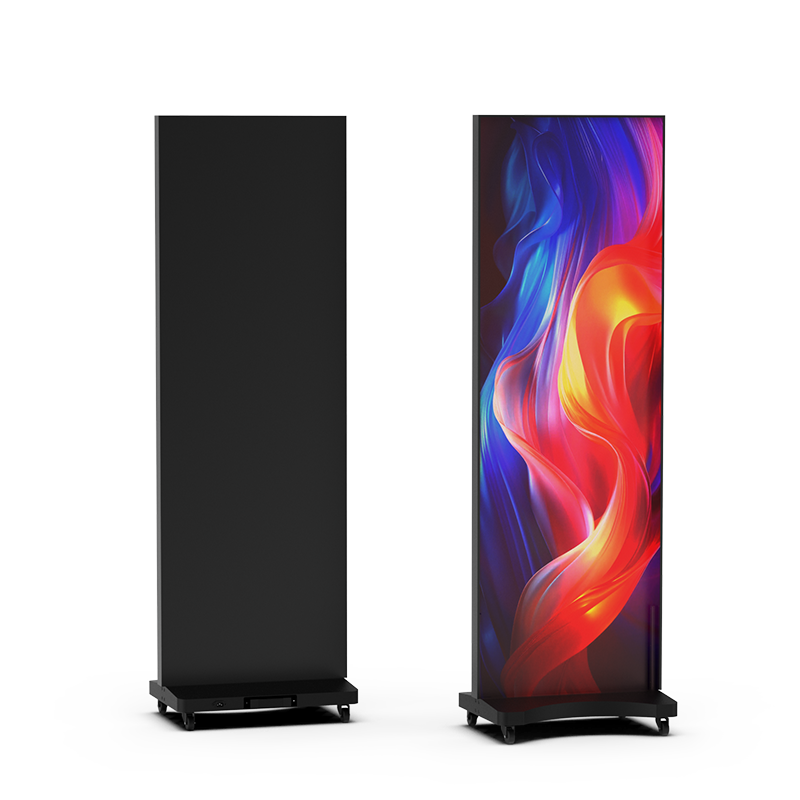
Buyers repeatedly over-spec pixel density for viewing distances, paying for unseen resolution. Others ignore serviceability: wall-mounted, all-in-one boxes without rear or front access inflate downtime costs. Neglecting regional support is common; a low-cost overseas vendor can look cheap until logistics and customs delays double the repair window. Include a penalty-rated service-level agreement to align incentives.
When all-in-one is right — and when it isn’t
All-in-one systems cut integration risk and speed rollouts. They suit venue operators and retail chains that need consistent, repeatable deployments across sites. However, large-format, modular panels still win on scale efficiency and long-term repairability where in-field component swaps are routine. Treat all-in-one as a tactical choice, not a universal solution.
Simple scoring model for decisive comparison
Score suppliers across five weighted categories: Performance (30%), Reliability & Service (25%), Supply Chain Transparency (20%), Price & TCO (15%), Compliance & Certification (10%). Assign 1–5 for each, multiply by weights, and require a minimum pass score of 3.6. Run sensitivity tests: if a supplier’s reliability score drops by one point, recalculate to reveal exposure. Use vendor-supplied lab reports only as one input; insist on third-party verification for any score above 4.
Final synthesis
Compare hard numbers, penalize unknowns, and favor suppliers that document tradeoffs. That discipline produces repeatable outcomes and reduces capital risk — the same discipline that guides wholesale procurement choices at scale and that positions HDC as a reliable partner for projects requiring clear technical evidence and predictable service delivery.