Introduction
It’s 8:55 p.m., the crowd is humming, and the sky is a blank canvas waiting for light. An outdoor laser projector manufacturer is backstage, balancing power, safety, and weather—because the show can’t stall when the wind shifts. Over the last few seasons, organizers say nighttime outdoor activations jumped across city centers and stadiums, and uptime has become the real KPI. But are we still judging gear by lumen counts and brochure gloss when what really matters is reliability, precision, and fast setup under pressure (rain included)? The story is changing. Edge-to-edge clarity, safer control loops, and smarter power converters now drive the brief. So what should creators, integrators, and venues expect as the bar keeps rising—and how do we avoid old, fragile workflows that crack on show day?
Let’s break down the current gaps and the next move, then map how teams can pick winning systems without guesswork. Onward.
Why 40W Matters—and Where Old Rigs Fail
Is power alone enough?
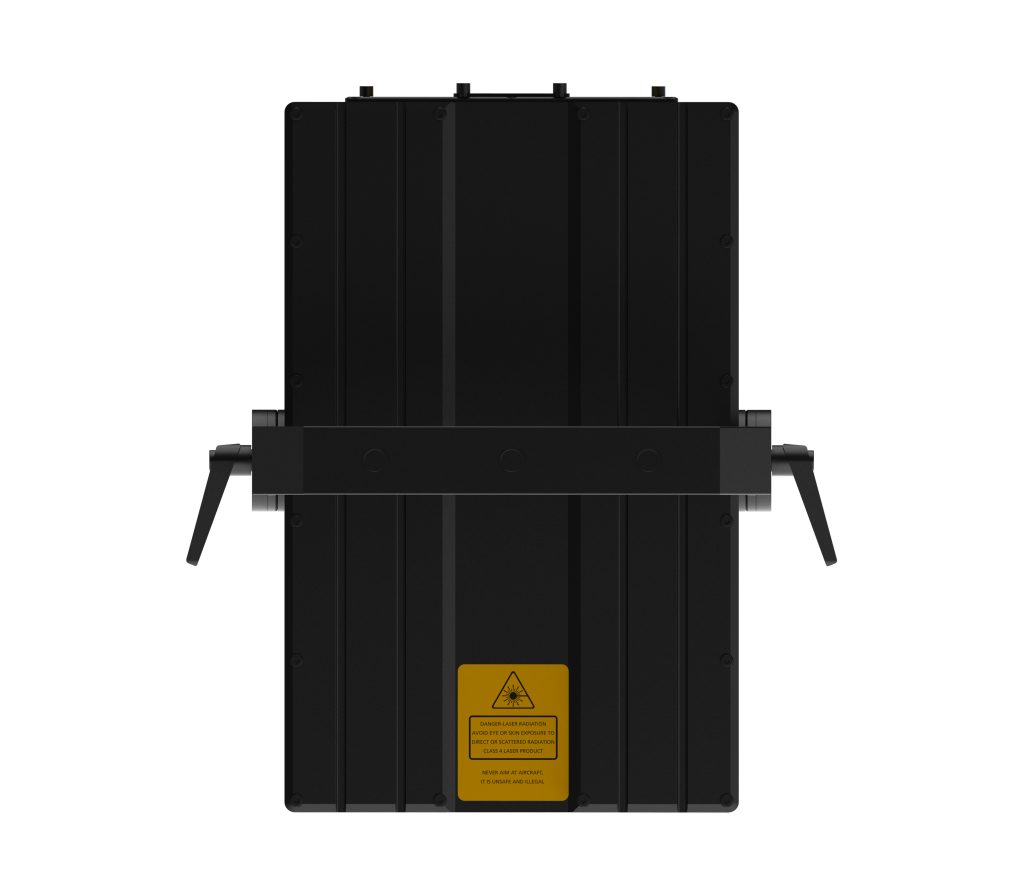
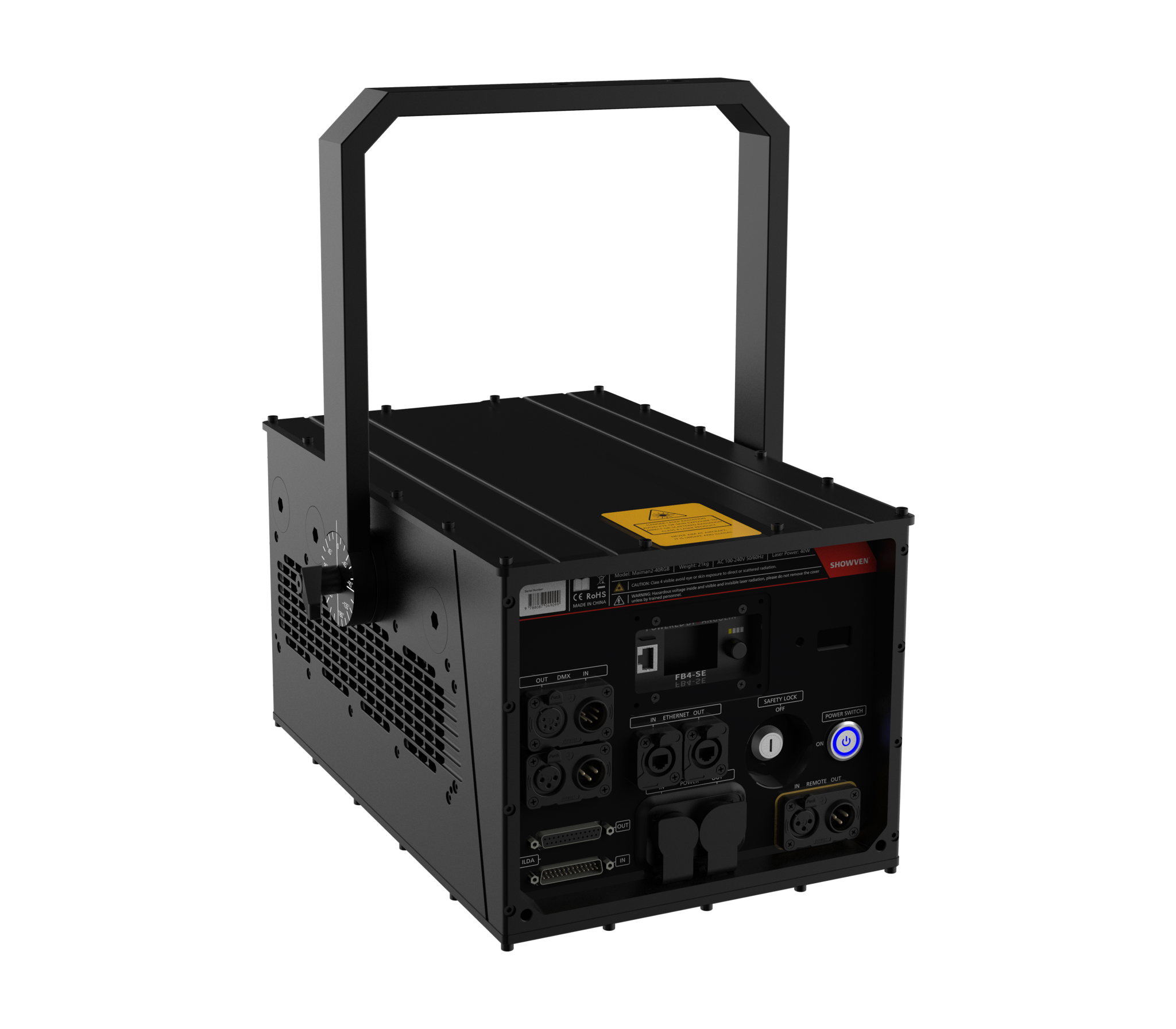
Many teams chase wattage first, yet a 40w laser light only performs as well as the system around it. Look, it’s simpler than you think: beam divergence, galvanometer scanners, and thermal management shape what the audience actually sees. Traditional rigs often push power but starve precision. They run hot, soften edges, and drift after a few minutes—especially when housings aren’t sealed to IP65. Operators then overcompensate with DMX512 tweaks and longer rehearsals—an expensive bandage, not a fix. Outdoor shows add another layer: wind, dust, and ambient light. If the optics and power converters can’t hold stability, content looks washed, lines wobble, and safety margins shrink— and yes, that matters.
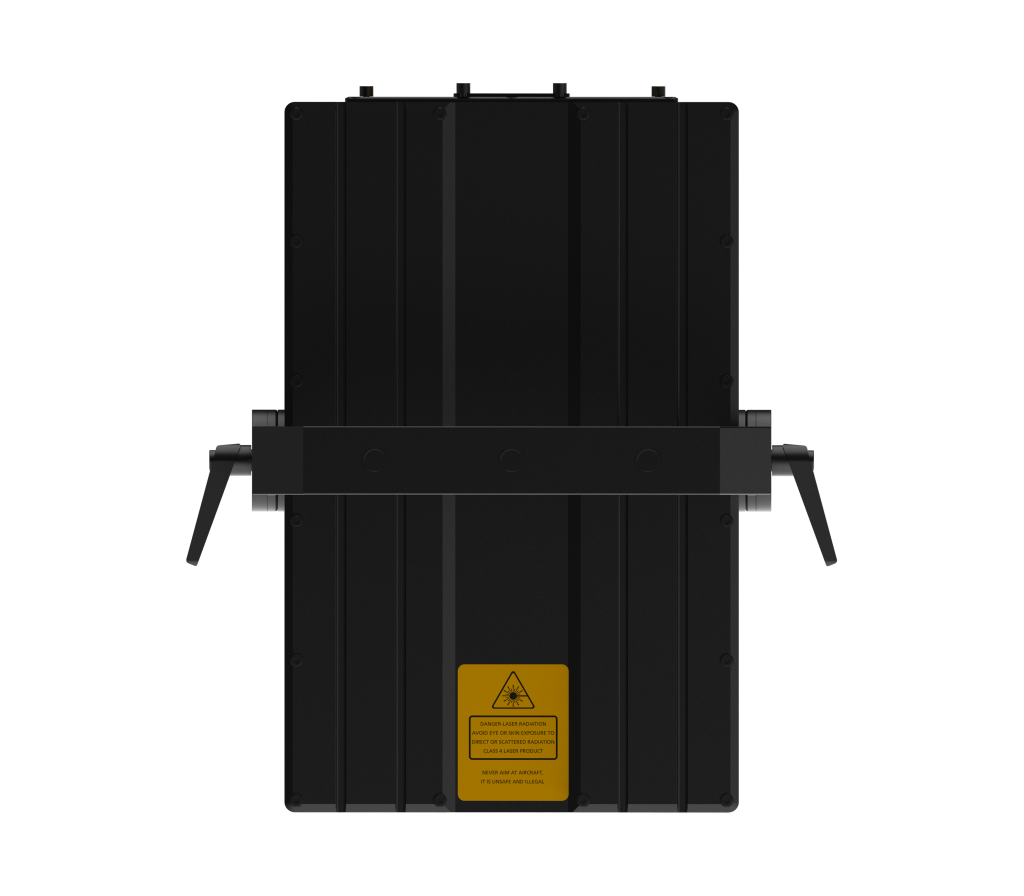
Legacy controllers also miss fast fault detection. Without smart current limiting and temperature feedback, you risk derating mid-show or shutdowns that kill the moment. Meanwhile, older mounts lack micro-adjustments, so more power just magnifies misalignment. A 40W module can be brilliant, but only if the platform locks scanning accuracy, manages heat, and keeps ingress out. That means sensor loops for real-time corrections, sealed paths to keep optics clean, and PSU headroom so you don’t clip during peaks. In short: brightness sells; stability wins.
From Specs to Systems: The Next Leap
What’s Next
The next phase is systems thinking, not spec sheets. New technology principles are already reshaping outdoor rigs: closed-loop scanning with faster IMU feedback, PWM dimming tuned to human perception, and modular optics that hold sharpness across distance. Pair that with IP65 enclosures and smarter fans that respond to sensor data, and you get consistent output without babying the gear. Even control stacks are evolving—predictive safety interlocks, better error reporting, and latency-aware paths that play nice with timecode. When a modern outdoor laser light integrates these pieces, designers can draw finer lines at lower power, extending diode life while keeping impact high—funny how that works, right?
What does that mean in practice? Fewer re-aims, faster strike times, and cleaner looks when the wind picks up. Lower beam divergence reduces spill, so you need less brute force to pop against city glow. Efficient heat paths lower fan noise and prevent color shift. And with smarter mounts and calibrated scanners, you cut setup minutes that pile up on busy sites. Recap: wattage is table stakes; control, optics, and protection stack are the leap.
To choose well, use three evaluation metrics. One, system integrity under weather: check IP rating, thermal design, and real-time monitoring, not just spec labels. Two, beam quality at distance: ask for measured divergence, scanner accuracy, and content tests beyond 50 meters. Three, control reliability: demand logs, safety interlocks, and recovery behavior during power dips. Keep it simple, keep it provable, and keep the show moving with partners who ship complete systems like Showven Laser.