The Split-Screen Market: Fast Moves, Clear Stakes
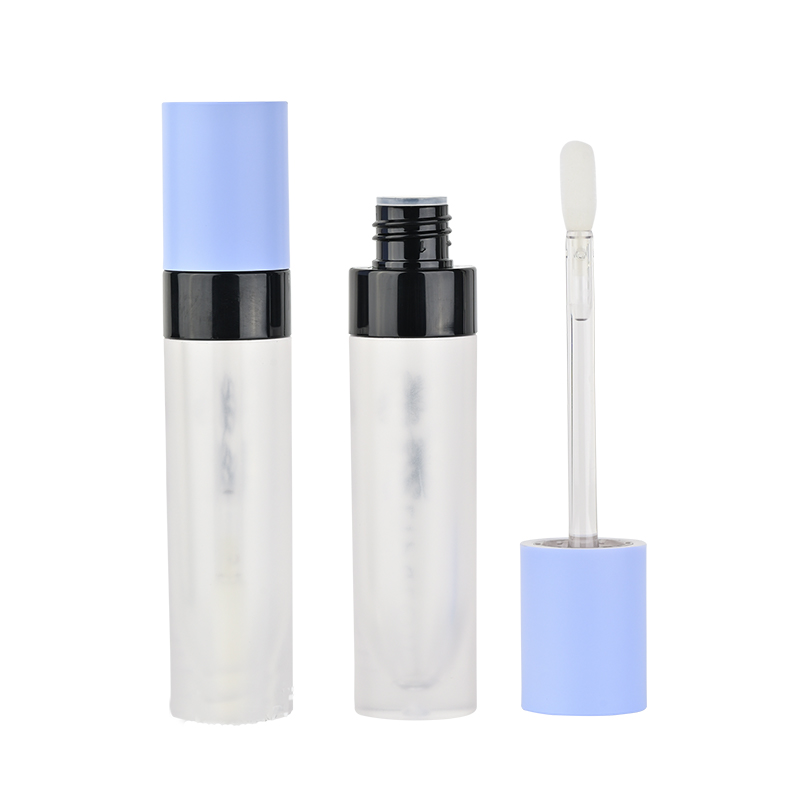
The market flips fast. One week your gloss is hot; next week, the shade, the feel, or the tube misses. A lip gloss tube manufacturer now faces a buyer who cares about speed, seal, and story—at once. Picture a launch sprint: a brand with three colorways, two applicator styles, and a pop-up shop in 30 days. In recent audits, teams that tuned wiper fit saw return rates drop by 14%. Plants that localized tooling cut lead times by 22% (no kidding). Yet many buyers still choose on price alone.
So here’s the bold question: do you compare by true performance or by unit cost? In a split-screen world, both paths look fine—until they don’t. Packaging failures ripple. A leaky neck, a sticky cap, or a batch color shift can sink a calendar. And yes, tooling changes can fix it—but only if you know what to ask. We’re going to stack the options side by side, and show where choices diverge. Buckle up; the next section gets practical.
Under the Gloss: The Hidden Pain Points Buyers Miss
Why do small tolerances cause big headaches?
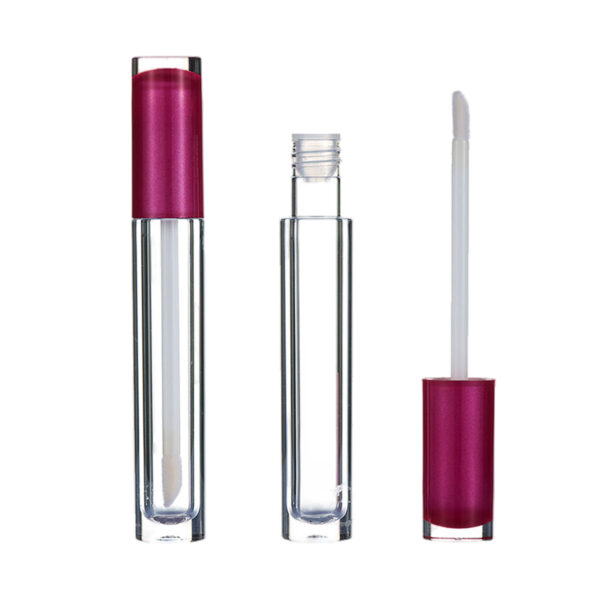
If you’re sourcing, an empty lip gloss tubes manufacturer will show you a clean sample and a sharp price. Look, it’s simpler than you think—until production runs begin. The wiper system is the quiet villain. If the inner diameter is off by 0.1 mm, your applicator loads too much product or none at all. Cap torque drifts, and users feel grind. PETG is clear, but some blends haze with high-volatility bases. Injection molding marks can appear near the shoulder if cooling is uneven. That tiny ridge? It scrapes the stem and introduces air. More air equals oxidation. More oxidation equals color shift—funny how that works, right?
Traditional fixes lean on thicker walls and tighter caps. But thick walls raise resin costs and slow cycle time. Tighter caps strain threads and increase open torque for users. The real fix is tolerance control and stable process windows. You want a consistent gate, repeatable cavity pressure, and real batch QC—not just final checks. Ask about resin lot tracking and wiper material compatibility with your solvent load. Ask if the line follows ISO 22716 or GMP basics. When teams map viscosity against wiper durometer, small leaks fade. When tooling vents right, the stem slides clean. Simple, but precise—and yes, it matters.
Next-Gen Build: How New Principles Change the Brief
What’s Next
Here’s the forward look, with a comparative edge. Plants moving to digital-first setups are changing the physics of risk. Instead of waiting for a bad batch, they simulate flow and stress before cutting steel. Think of it as a design-of-experiments mindset made routine. A lip gloss empty tubes manufacturer in china using cavity sensors can watch pressure, align cooling, and hold shrinkage in check. That keeps tolerance steady across cavities. New surface texturing reduces stick-slip at the neck, so torque stays smooth. Barrier layers like EVOH control aroma loss without heavy walls. Ultrasonic welding tightens seals without glue. Different toolkit, same tube—better outcome.
What should you do now? Compare on principles, not promises. You want (a) real-time process data, (b) material pairing tested with your formula, and (c) proof that scale will not drift. Three evaluation metrics help you choose fast: 1) seal integrity rate over 10k cycles; 2) torque variance across 30 samples (in cN·m, same lot); 3) carbon-per-unit with documented resin mix. If a vendor can’t show those, the risk is on you—plain and simple. The lesson so far: small specs move big results, and modern lines make those specs stick. Keep watching wiper fit, thread form, and cooling balance. Keep asking for the data that proves it. Close the loop with a partner who treats process like product, such as NAVI Packaging.