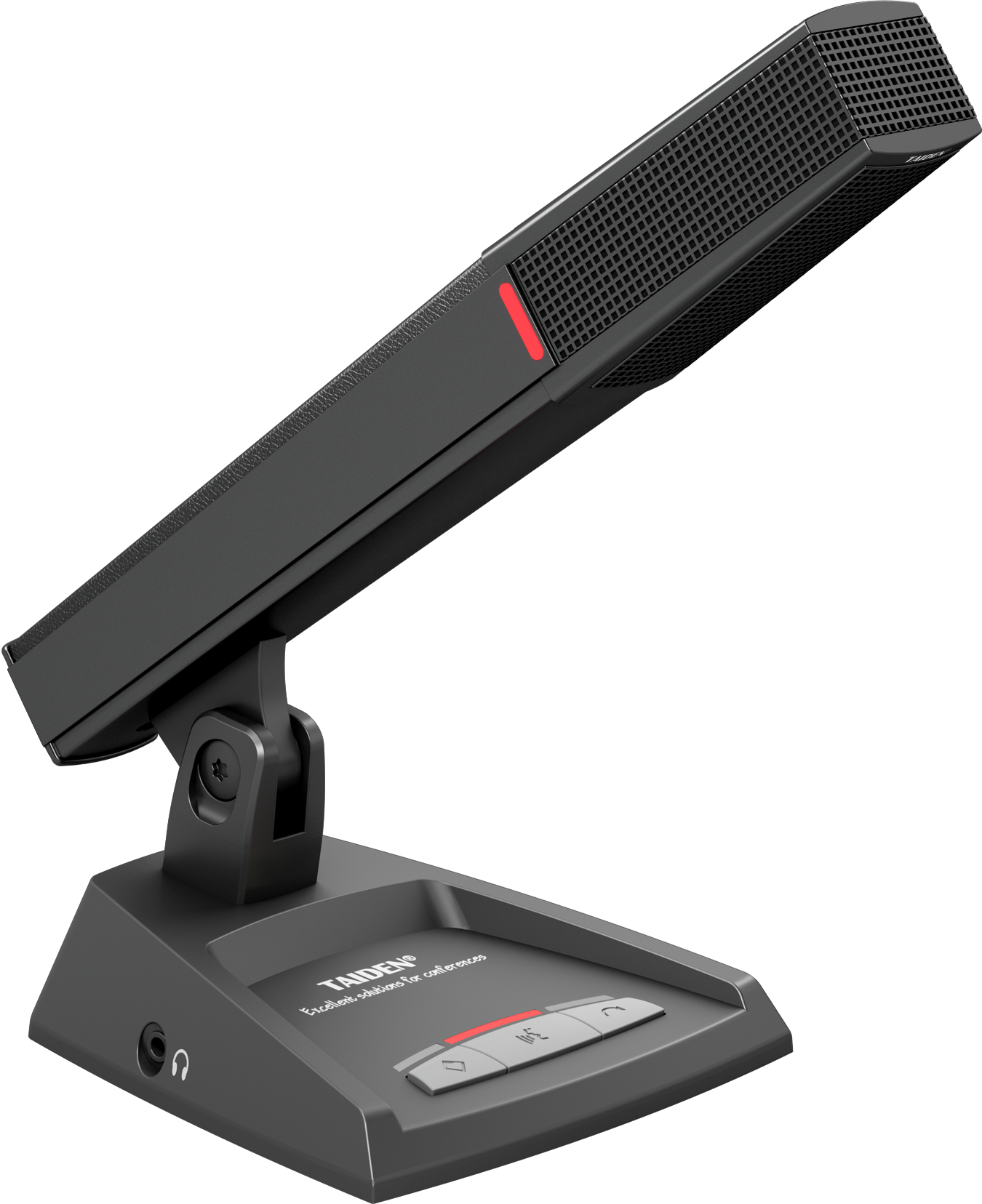
Introduction: A Morning Meeting, a Missed Point, and a Bigger Question
A small story, sawa? I walked into a boardroom at 8 a.m., coffee still warm, and the first speaker leaned in to talk. The conference room mic system looked polished, like it belonged in a glossy brochure. But the key remark was lost to room buzz and chair shuffles. In audits I’ve run, one in four hybrid comments gets muddied by noise floors or poor placement—numbers don’t lie, even when voices do. Many teams think a single discussion device solves it all; yet the room shape, ceiling reflections, and user habits (heh, sleeves tapping tables) change everything. When the beamforming array fights with HVAC rumble, the signal-to-noise ratio drops, and drift sets in. Then the call turns into guesswork. Why do smart rooms still miss simple words, and why do we accept the blame on users instead of the system design—funny how that works, right?
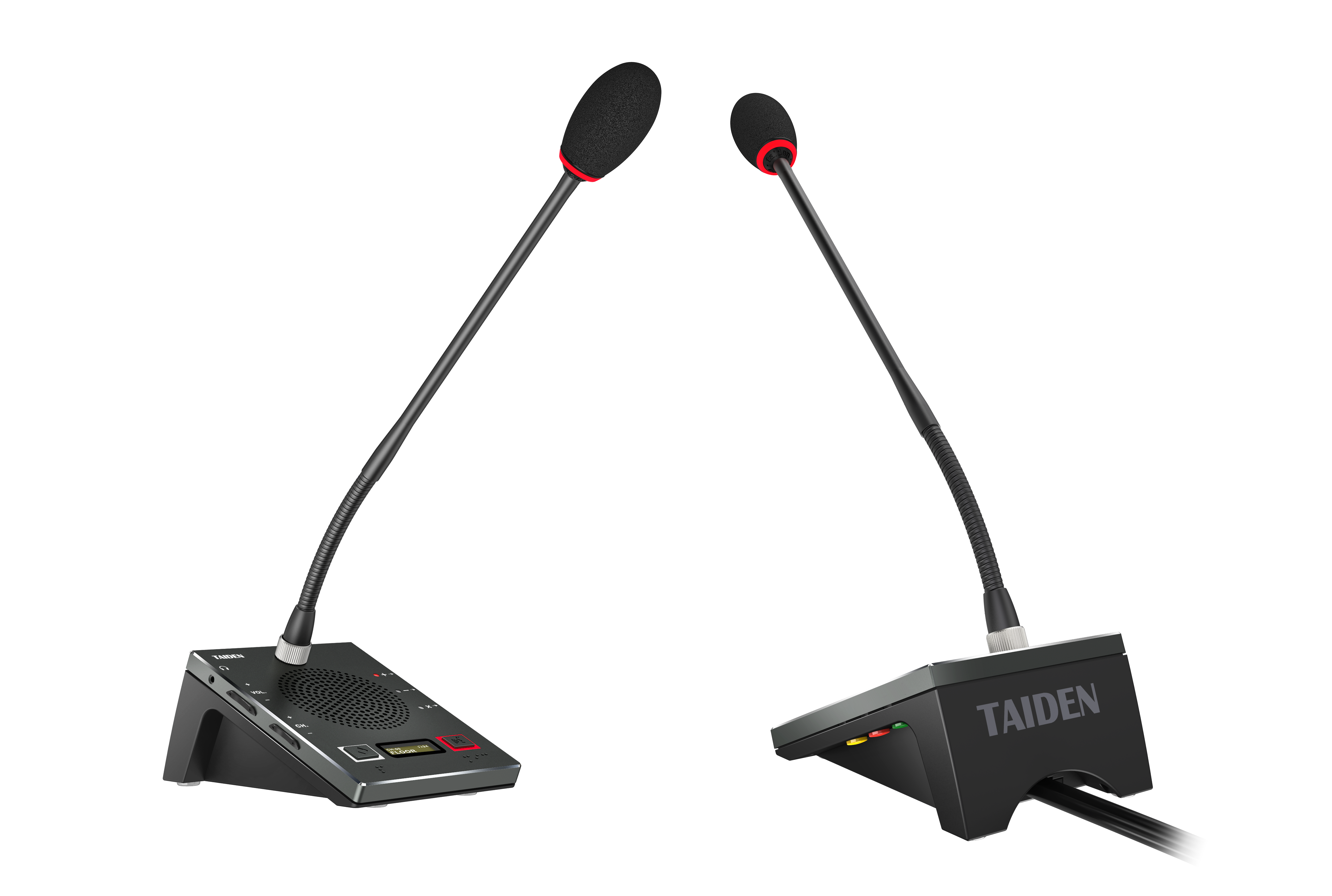
Let’s zoom in polepole, ask what fails quietly, and see how to fix it for good. On to the deeper layer.
Part 2: The Hidden Pain Points Beneath the Polished Table
Where do traditional setups fall short?
From that boardroom scene, notice the pattern: people adapt to the hardware, not the other way round. Traditional arrays and scattered goosenecks often rely on manual gain staging, fixed pickup zones, and coarse Acoustic Echo Cancellation (AEC). When seats shift, mouth-to-mic distance changes, and off-axis rejection becomes weak. A small tilt can halve intelligibility. Add in codec jitter and a cramped digital signal processor (DSP) chain, and your system gets brittle under stress. Look, it’s simpler than you think: the problem isn’t only the mic; it’s the room, the routing, and the control logic dancing out of sync.
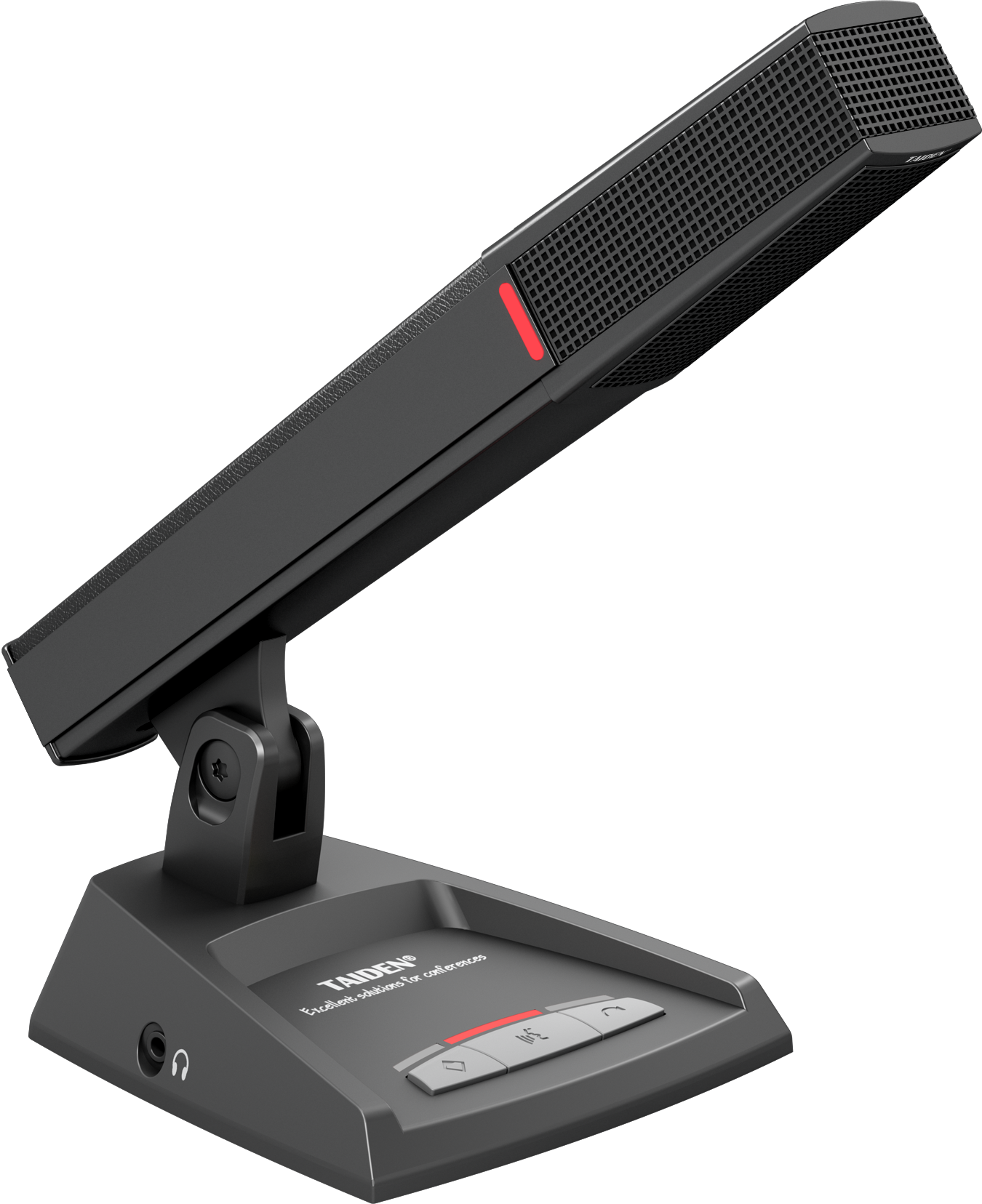
A modern discussion device tries to tame that dance by unifying roles—capture, control, and user workflow—into a predictable signal path. But flaws still appear when legacy habits remain. Table taps trigger auto-mixers. HVAC hum rides the noise gate. Power over Ethernet (PoE) injects tiny ground issues that creep into low-frequency rumble. And when multiple laptops unmute, AEC confusion rises. The result: listeners hear “presence” without clarity. The fix demands better mic placement strategy, dynamic gating tied to voice activity detection, and latency budgets that keep speech and slides tight—otherwise, people stop trying— and yes, that surprises people.
Part 3: Comparative Insight and What’s Next
What’s Next
So, where do we go from here? The strongest gains come from new technology principles that bind the room, not just the mic. Compare old-school fixed lobes to adaptive beamforming with per-seat profiles. The latter can re-steer patterns in milliseconds, track talkers without hot spots, and maintain consistent gain before feedback. Add edge computing nodes close to the table to pre-clean audio—low-latency denoise, smarter dereverb—and push a clean stream to the cloud. Pair that with power converters that keep PoE stable, and you cut hum at the root. A capable mic manufacturer will also expose APIs for state sync: lighting cues tied to active talker, soft mute that mirrors in-app status, and health pings for fast triage.
We’ve learned that the pain is not only hardware. It’s also workflow, timing, and the room’s physics. Bring them together, and the soft-spoken teammate in the corner sounds as present as the chair. Advisory close-out, sawa: 1) Measure intelligibility, not just loudness—use STI or equivalent and target stable signal-to-noise across seats. 2) Audit end-to-end latency under load, including AEC and conferencing apps, and keep it under perceptual thresholds. 3) Validate resilience: simulate seat changes, device reboots, and dual-host failover without losing auto-mix logic. Do this, and your next meeting will feel calm—funny how that works, right? For more on the craft behind integrated systems, see TAIDEN.