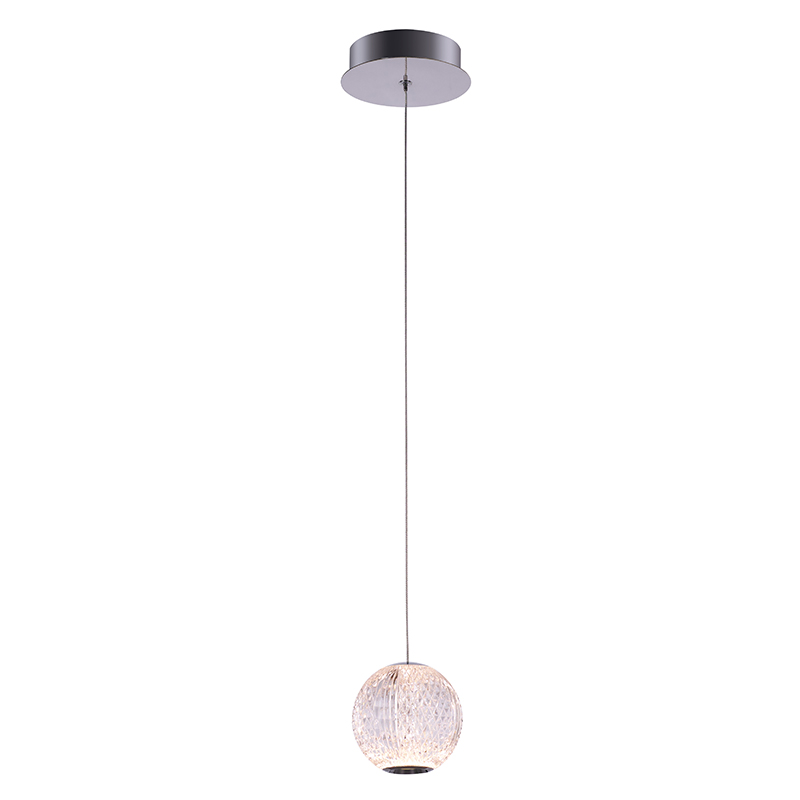
Introduction: The Single Point of Calm
Define the goal first: a focused pool of light that feels gentle, efficient, and true. In the landscape of led lighting manufacturer china, that goal lives inside a small form with careful guts. A single led pendant light seems simple, yet it hinges on driver stability, thermal management, and beam control. Picture a kitchen island at dusk; 800–1200 lumens, 10–14 watts, CRI 90+, and smooth dimming to 1%. Numbers that promise peace, not noise. Data tells us pendants can cut task-light energy by up to 60% compared to legacy halogen—if the power converters are clean and the optics are tight (no harsh spill).
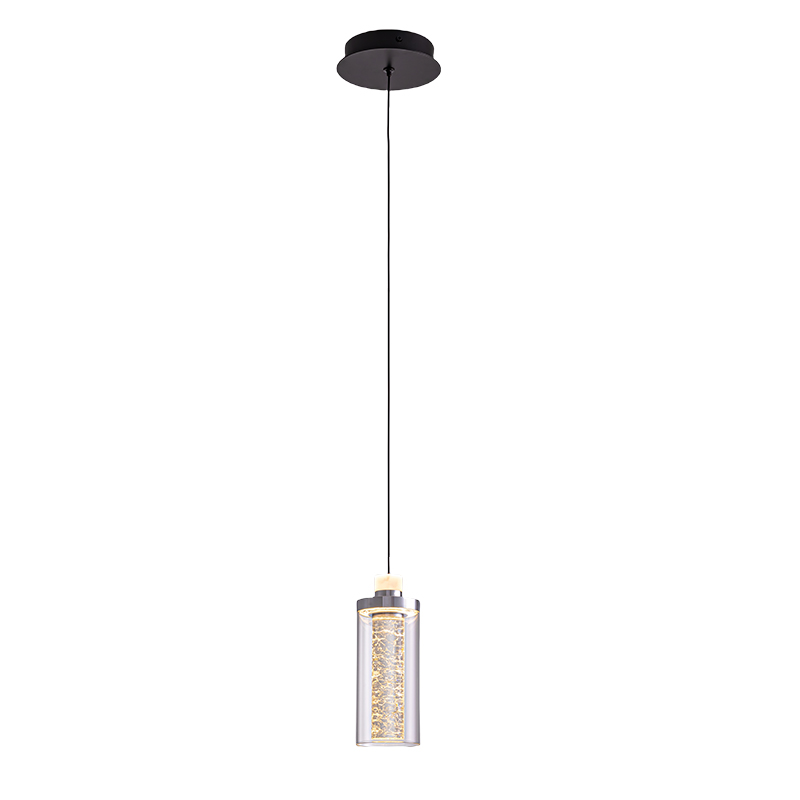
Still, why do some pendants glare, buzz, or flicker at low dim levels? Why does a “minimal” fixture turn fussy after a year? The answer sits in small choices: PCB layout, heat paths, and how the driver talks to your wall dimmer. Look, it’s simpler than you think—and also more exact than it appears. We will map the cracks, then compare how makers solve them, so your next pendant feels effortless. Onward, with clarity.
Pain Points You Can’t See (But Always Feel)
Where do the tiny failures hide?
Start with the bold truth: most frustration comes from the parts you never see. The canopy hides the driver; the driver controls the current; the current decides the light. When a constant-current driver and a phase-cut dimmer quarrel, you get shimmer. When thermal paths are weak, LEDs cook, lumen output sags, and color drifts warm. Optical diffusers that look fine on paper can raise glare index in the real room—funny how that works, right? These are not sins of style. They are gaps in engineering.
Users also face quiet burdens: mixed dimming protocol support, audible hum at low loads, and beam angles that wash faces instead of tasks. A pendant can be pretty yet still miss the mark if its photometrics ignore height and surface reflectance. The fix is not complex—just honest. Better silicone pads for heat, drivers rated for wide line noise, and optics that keep cutoff clean. When you test for low-end flicker, validate power factor, and specify true 1% dim-to-warm (or 3000K fixed with tight SDCM), the whole room exhales. That is the promise tucked inside a simple form.
Comparative Insight: Principles That Actually Change the Experience
What’s Next
Forward-looking design now leans on smarter drivers, cooler chips, and cleaner control. Some makers in China pair GaN power converters with high PFC drivers to keep harmonics low and flicker invisible. Others use modular light engines so a failed board swaps in minutes—no ceiling surgery. Add edge computing nodes in your home hub and your pendant learns traffic patterns, dimming gently before you reach the counter. A well-built 1 light pendant light can speak DALI-2, 0–10V, or BLE Mesh without drama—choose the language, not the headache. The principle is simple: stable current, managed heat, disciplined optics. The result is a beam that lands where it should and a room that feels composed.
Comparing vendors becomes clear through these lenses. One builder might tout lumens per watt, yet skip robust surge protection; another may score slightly lower efficacy but nail low-end dimming and acoustic silence. Which wins? The one that preserves mood across seasons and line noise. Look at the way they publish data: are the IES files honest, are TM-30 metrics complete, do they specify UGR at real mounting heights? Small tells. Big outcomes. And when controls get messy—legacy dimmer, new driver—the best solutions still land smooth fades and no shimmer. That is the quiet upgrade you notice at dinner, not in a lab.
Choosing with Clarity
To choose well, set three metrics that cut through the chatter—then stick to them:
– Electrical integrity: high power factor (≥0.9), low THD, and flicker percentage verified at 1–10% output.
– Thermal discipline: measured junction temperatures, documented L90 at 50,000+ hours, and real heat paths (not wishful fins).
– Optical honesty: full IES/TM-30 files, beam and cutoff data at your mounting height, and a glare index that fits the room’s tasks.
If a maker can show these, the rest follows. The pendant stays silent. Colors stay true. Dimming stays smooth—on busy nights and quiet mornings alike. There is craft in this restraint, and it rewards the patient eye. For those who care about calm light and clear data, the path is steady, not loud. Learn the signals, ask for the files, and pick the build that respects your room as much as your meter. Then enjoy the quiet work of a good pendant, every day. kinglong