Introduction: A clinic, a tired device, and a simple question
I was at a small Cape Town clinic last year, watching a therapist swap out an old panel for yet another so-so unit — the client still left unsure. Advanced red light technology is on everyone’s lips these days, but the jump from fancy specs to real results is messy. Data shows clinics upgrade gear every 18–30 months (and often repeat mistakes) — so why do outcomes lag behind the promises? Howzit — we need answers that actually map to day-to-day practice. I’ll walk through what I see, what hurts users, and what to test next. Let’s get into the nitty-gritty.
Part 2 — Why common fixes miss the mark
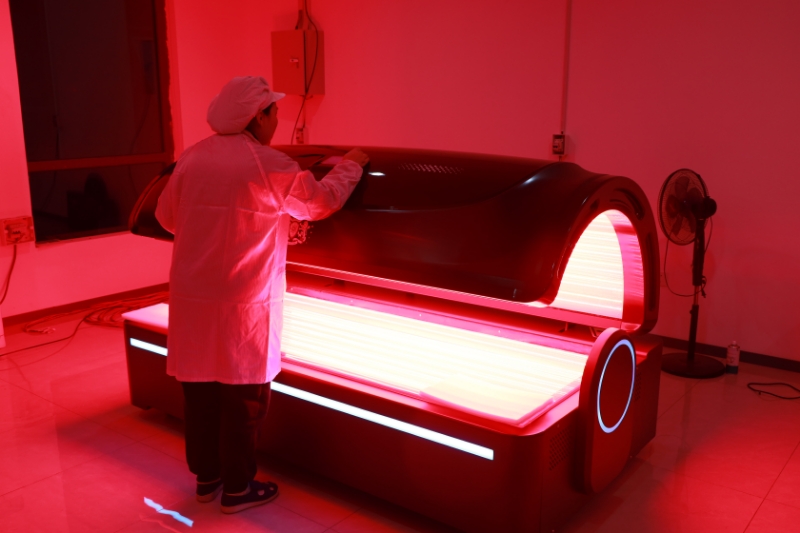
led technologies red light therapy gets sold as a cure-all, but many vendors focus on shiny specs rather than real performance. Technically, devices are rated by peak output and wavelength bands, yet those numbers hide variability in beam profile, irradiance drop-off, and thermal management. I’ve handled setups where photobiomodulation claims were undermined by poor wavelength tuning and cheap power converters. Look, it’s simpler than you think: if the light doesn’t reach the tissue at the right irradiance for long enough, results will fail — regardless of the brochure.
Why do standard fixes fail?
First, manufacturers often present averaged lab numbers that don’t reflect on-site conditions. Second, service teams fix cosmetic faults but ignore calibration drift. Third, buyers chase headline features (more LEDs, wider angles) and forget to test for uniformity. I’ve seen panels with wild hotspots and others with weak edge output — both give inconsistent therapy. The result: wasted spend and frustrated users. We must stop buying on looks and start testing with simple tools: a radiometer, checklists, and repeatable protocols. — funny how that works, right?
Part 3 — Where we go next: practical steps and clear metrics
Moving forward, I favour a future where clinics and users make choices based on measured performance, not marketing. For those building or buying next-gen kits, new technology principles matter: closed-loop thermal control, modular diode arrays for targeted dosing, and even edge computing nodes for device-side logging. When I say modular, I mean systems that let you swap panels or tweak output without sending the whole unit back to the factory. These shifts cut downtime and improve patient consistency.
What’s Next — real-world impact?
Here’s a short, practical plan. First, require on-site validation of irradiance and wavelength. Second, demand easy service access and replaceable modules. Third, prioritize devices that log dose data (so you can audit outcomes). I’ve watched clinics adopt these steps and see fewer returns, more consistent sessions, and happier clients. Oh, and don’t forget user training — tech alone won’t save a bad protocol. — small investments here pay off fast.
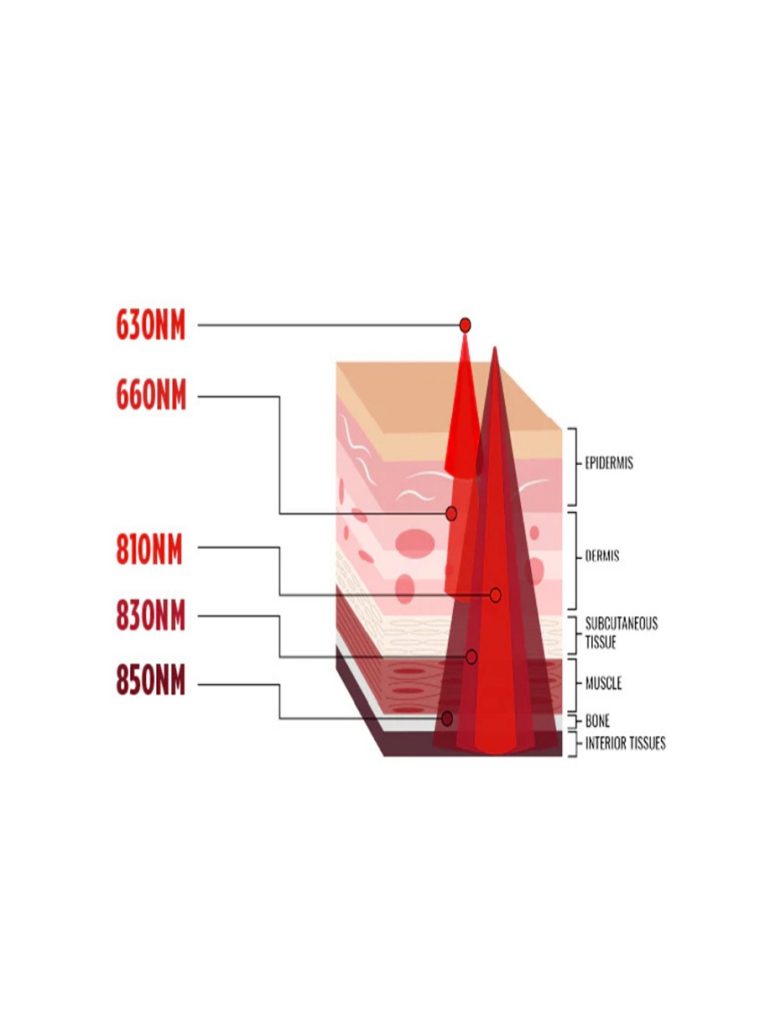
To help you evaluate options, I offer three quick metrics to compare products: measured irradiance at therapy distance, wavelength stability over time, and serviceability score (parts replaceable + local support). Use those, and you’ll cut guesswork. I’ve learned this the hard way, so I speak from hands-on cases and frank mistakes. For reliable partners and quality processes, check what leaders are doing — and if you want a brand that ties specs to service, look at Magique Power.