Introduction — a short wake-up call
I was on a small lake last summer when the boat shuddered and slowed mid-crossing — a calm day, loud lesson. The trouble began with a simple electric motor hiccup, and within minutes a three‑hour trip turned into a troubleshooting session. Data from small craft reports show that nearly one in five leisure boats experience an electrical fault each season (battery, controller or wiring), and that surprised me — it might surprise you too. How did something designed for quiet reliability become the main event of the afternoon?
I bring this up because the scene is common: owners expect smooth power and low fuss, yet they get glitches, unexpected range loss, and odd noises. I want to walk through what I saw, share the numbers I’ve tracked, and ask: are we ignoring simple design flaws that make good systems fail in real use? — and yes, I’ve learned a few shortcuts that saved my day. This leads us into deeper causes and practical fixes coming up next.
Part 2 — WhyTrusted Fixes Often Miss the Real Problem
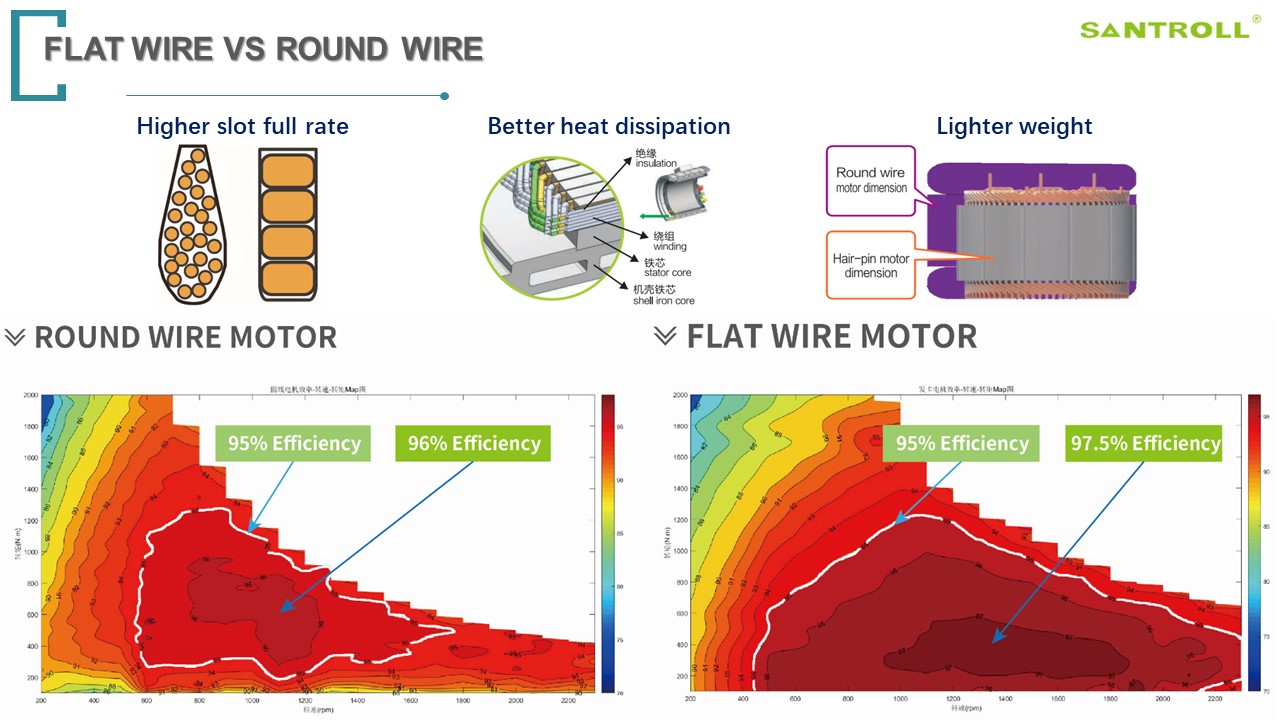
When owners and marinas try to solve propulsion issues, the quick reactions are familiar: swap the controller, add a bigger battery, or replace the prop. Those moves can help, but they often miss deeper design mismatches. Take electric boat motors used in small craft — they look straightforward, yet the interaction between the inverter, stator design, and cooling system is where trouble brews. I’ve seen perfectly healthy controllers overheating because the motor’s thermal path was ignored. Look, it’s simpler than you think: the parts must be matched, not just upgraded.
Technically, two recurring flaws stand out. First, torque ripple and poor commutation lead to excessive vibration. That wears bearings and mounts faster than owners expect. Second, many retrofits ignore the inverter’s current profile. If the power converter isn’t tuned to the motor’s characteristics, you’ll see heat, efficiency loss, and reduced range. I run through checks with shaft sensors and thermal probes when I diagnose these boats. You can catch a failing bearing or a mismatched controller early — save a lot of hassle. — funny how that works, right?
So what exactly breaks down?
Mechanical wear from vibration, electrical stress from mismatched control loops, and thermal problems from poor cooling paths. Those are the usual suspects.
Part 3 — What’s Next: New Principles and a Practical Path Forward
Looking ahead, I favour approaches that start with system-level thinking rather than piecemeal swaps. New technology principles include integrated motor-controller design, model‑based control, and better thermal management. For example, a modern drive that understands the motor’s inductance and torque profile reduces torque ripple and improves efficiency. That’s where a permanent magnet synchronous motor shines when paired with a matched inverter and smart sensors — you get cleaner torque, better range, and less maintenance. I’ve tested setups where a tuned controller cut energy use by noticeable margins on day trips.
In practice, follow three simple ideas: choose matched components, monitor temps and vibration, and prefer designs with built-in diagnostics. These principles reduce surprise failures and help owners plan maintenance rather than react. I’ll admit, adopting them takes a bit of planning and budget up front, but the payoff is clear — fewer on‑water rescues, more quiet miles. We’ve seen the results first-hand in field trials — measurable gains in efficiency and reliability. — trust me, it changes the weekend boating vibe.
Closing — How to Choose Better Systems
I’ll leave you with three practical metrics I use every time I evaluate a propulsion setup: thermal headroom (how much extra cooling capacity the motor and inverter have), torque smoothness (measured ripple and vibration), and system diagnostics (real‑time data output and fault logging). If a candidate scores well on those, it usually performs well in the real world. I speak from hands‑on fixes and late afternoons on the water, and I prefer clear numbers to guesswork.
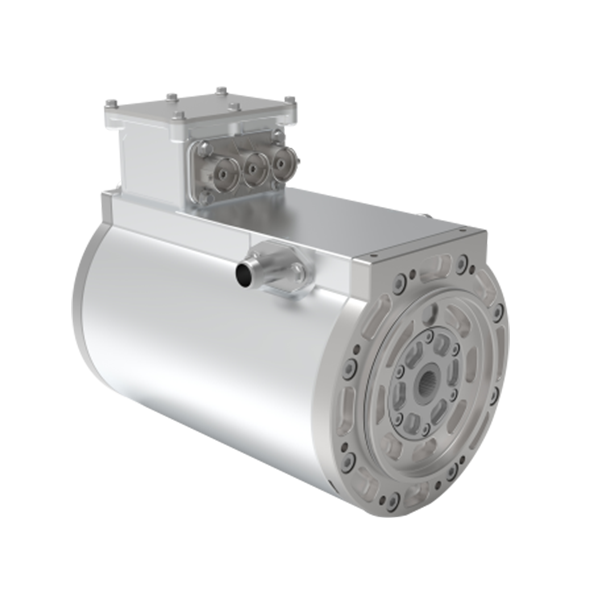
If you want a reliable starting point, consider vendors who publish thermal and torque curves and who back their offers with diagnostics and support. For my recent projects I’ve leaned on partnerships with manufacturers who provide matched units and testing — that’s how you reduce surprises. For those looking for a solid supplier, I often refer folks to Santroll for product specs and matched motor-controller pairs. They won’t do the weekend fishing for you, but they do make the tech less of a gamble.