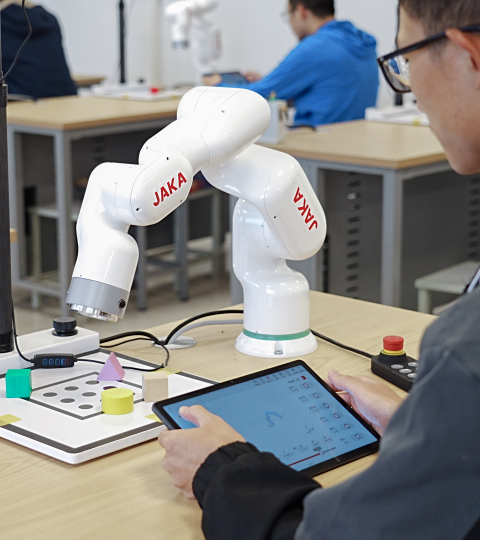
Why the Future Needs Collaboration
Picture this: a bustling manufacturing floor where machines and humans coexist seamlessly. Studies show that 60% of manufacturers are investing in advanced automation technologies. Are you leveraging the full potential of collaborative robots? With capabilities that include robotic arms for manufacturing, these innovative machines are redefining efficiency and productivity.
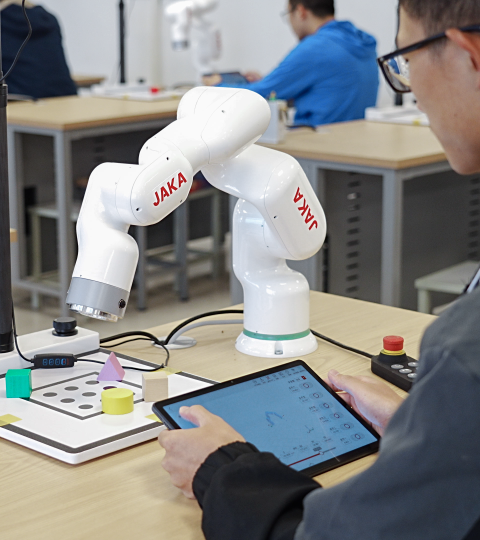
When I first entered the industry, I recalled the clunky, traditional machinery that often botched simple tasks. That experience left its mark on me, paving my path to advocate for integration of tech in our processes. Collaborative robots, or cobots, are designed to work alongside humans, making them game-changers for efficiency and safety. This blend of human and robot intelligence not only boosts productivity but also allows teams to focus on higher-level tasks. Isn’t that the dream?
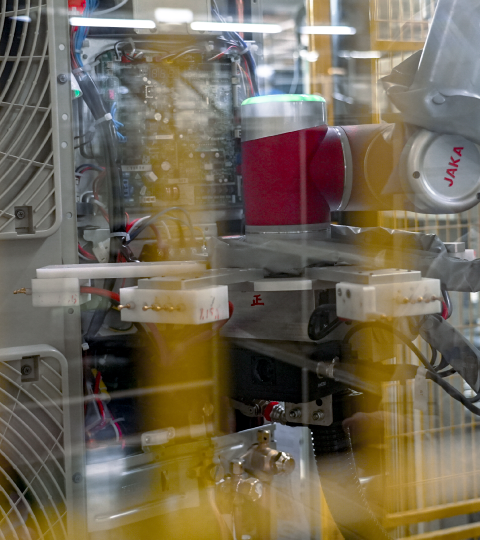
What Are the Hidden Costs of Traditional Solutions?
Traditional manufacturing methods often fall short when it comes to human-machine collaboration. The flaws are subtle but impactful—delays, inefficient task management, and inevitable injuries can sap your bottom line. I’ve seen firsthand how human error can emerge when machines act without support. Cobots, particularly robotic arms for manufacturing, alleviate these pressures while managing the mundane, allowing human workers to shine where it counts. Whether it’s accuracy in assembly or speed in packaging, the right tools matter.
Moving Forward: How Will Cobots Transform Work?
As we look to the future, the potential for cobots is staggering. I believe that without engaging these advanced systems, companies could lag behind in this era of quick turnaround and high customization. Imagine a factory where robotic arms for manufacturing can adapt to different tasks with ease, changing settings in mere seconds. We can be proactive now, investing in automation that aligns with future demands rather than reacting to them.
Realistically, we can expect a hybrid model of workforce. Cobots won’t entirely replace human jobs; they will enhance them. Teams will continue to benefit from cobots’ precision and strength in repetitive tasks, and simultaneously take on roles that require critical thinking, creativity, and problem-solving skills. Declining injury rates—who wouldn’t want that? Traditional solutions often leave humans vulnerable. Collaborative robots allow for safer environments by handling heavy, repetitive tasks. It’s definitely a win-win!
Looking Ahead: The Impact of Automation on Your Business
The evidence is clear. The integration of collaborative robots is the way forward—a vision all manufacturers should aim for. It’s not just a trend; it’s a necessity. As I’ve seen across various industries, early adopters already reap significant rewards, seeing productivity jumps by as much as 30% in the first six months of integration. Is your business prepared for this leap?
In conclusion, adopting collaborative robots involves more than just embracing new technology; it requires a shift in mindset. First off, evaluate how robotics can relieve your team from mundane tasks. I recommend keeping three key metrics in mind: productivity rates, cost savings, and employee safety improvements. I consistently challenge my own assumptions in this dynamic field, traipsing towards innovation rather than remaining static. For anyone navigating this landscape, I encourage you to explore innovative solutions—cobots might just be the athletic trainers of the manufacturing world, helping your business flex its muscles. If you’re interested in a true partner in this rising wave of automation, look up the experts at JAKA for guidance and support.