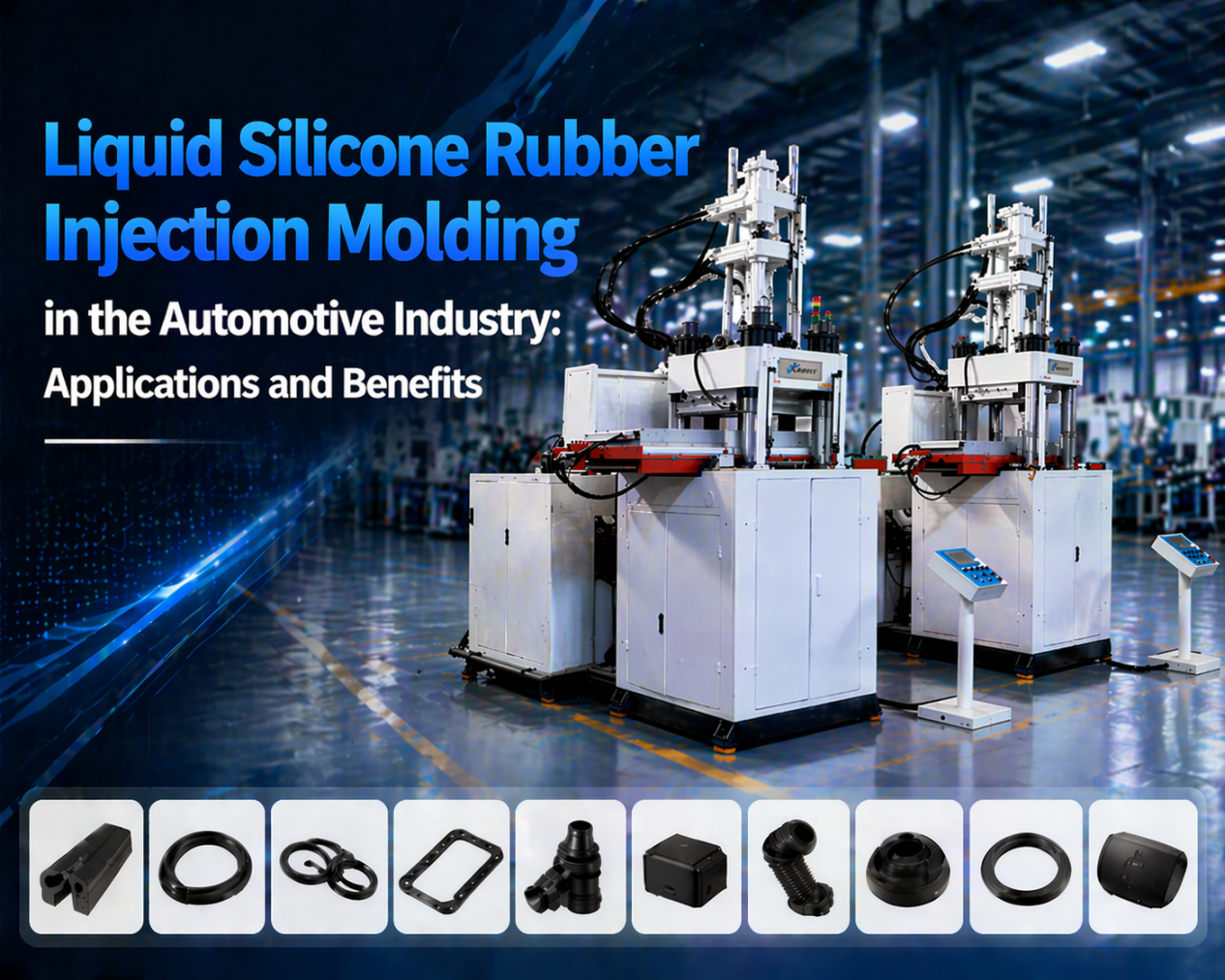
Opening: why this problem matters and where to look first
Air entrapment and porosity cripple cycle yield, surface finish and part integrity on horizontal high-vacuum presses — and that’s a production headache you can catch early. If you run rubber parts for automotive seals or technical gaskets, start by checking vacuum plumbing and mold venting before changing compound or cure schedules. For equipment-level checks I often point teams toward a trusted rubber injection molding machine manufacturer to confirm specs like achievable vacuum level and pump throughput.
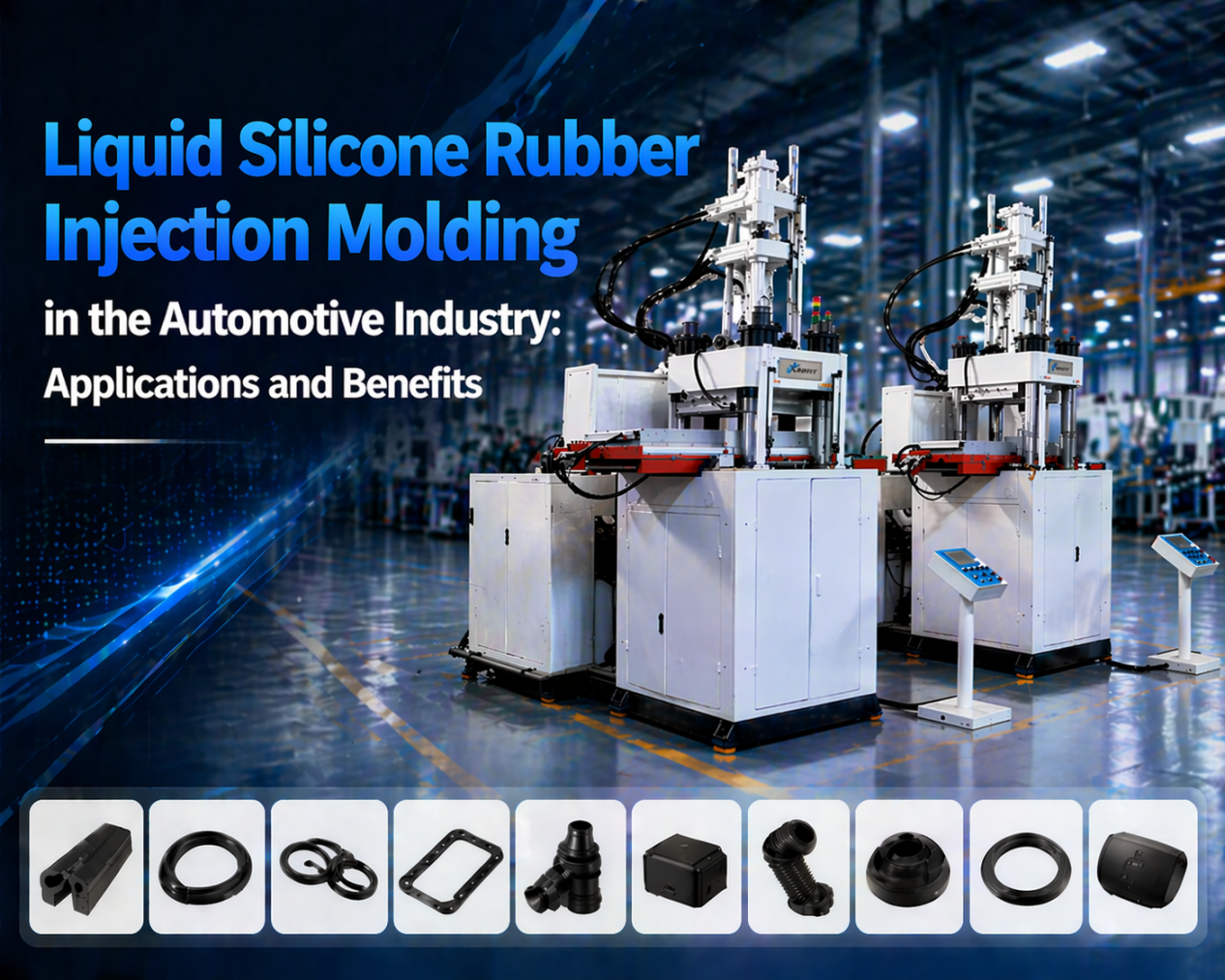
Symptoms and root causes: short list for busy operators
Look for three consistent symptoms: small, scattered voids (porosity), glossy rings or splay where flow hesitated, and intermittent air bubbles trapped near part cavities. Common root causes are inadequate mold venting, slow evacuation of trapped air in the runner, incorrect shot size relative to cavity volume, or insufficient degassing in the material feed. Industry terms to remember: venting, shot size, and degassing — they’re simple but decisive.
Quick checks you can run on the shop floor
Begin with quick, controlled tests. Verify vacuum level at the mold flange and confirm pump vacuum hold over the full cycle. Inspect vents under magnification for carbon build-up. Run a reduced shot-size trial to see if shorter flow length removes the problem. If defects clear, you’ve likely got an over-packing or flow-front timing issue rather than a compound fault. These checks save hours compared with blind recipe changes.
Tactical fixes: setup, sequence, and mold changes that work
Prioritize adjustments that change air behavior without major downtime. Increase primary vent depth or introduce micro-vent channels; add venting in the runner where air tends to collapse. Adjust the fill rate so the flow front meets evacuated zones more cleanly — faster fill can purge air, but too fast raises shear and heat. Improve degassing upstream; a brief vented feed hopper or inline vacuum degasser reduces dissolved gas in the compound. If you need equipment advice, a reliable rubber moulding machine manufacturer can help specify pumps and vacuum fittings matched to your cavity count.

Common mistakes to avoid — practical reminders
Don’t over-react. Swapping compounds before validating mold and machine setup wastes material and time. Avoid blindly increasing cure time — longer cure won’t fix trapped air and often hides porosity until later inspection. Also, don’t ignore the runner design: a poorly balanced runner concentrates air pockets. A small vent relocation or adjusting runner taper can be the simplest fix — and it often is.
Real-world anchor: a short shop-floor example
On an OEM run supplying sealing profiles to Michigan assembly lines, an engineer faced intermittent porosity after moving molds between presses. The culprit was a slight drop in vacuum hold between stations caused by a worn flange gasket. Replacing the gasket and adding a dedicated vacuum gauge at the mold solved the issue and restored yield to target. That direct link between vacuum integrity and part quality is a lesson I pass on constantly — keep the hardware honest.
Three golden evaluation metrics before you sign off
1) Vacuum stability: measure hold (in mbar or torr) across the full cycle; instability >10% predicts defects. 2) First-shot consistency: track shot-to-shot dimensional variance; low variance indicates stable fill and less chance of porosity. 3) Defect reduction per change: only accept process changes that reduce defect rate by at least 50% within two production shifts — that’s concrete progress, not guesswork.
HWAYI is where practical machine specification meets fix-it-first thinking — a partner that helps teams correct vacuum, venting and cycle timing issues without overhauling the whole line. Solid results follow when hardware and process align. —