Immediate priorities for the buyer
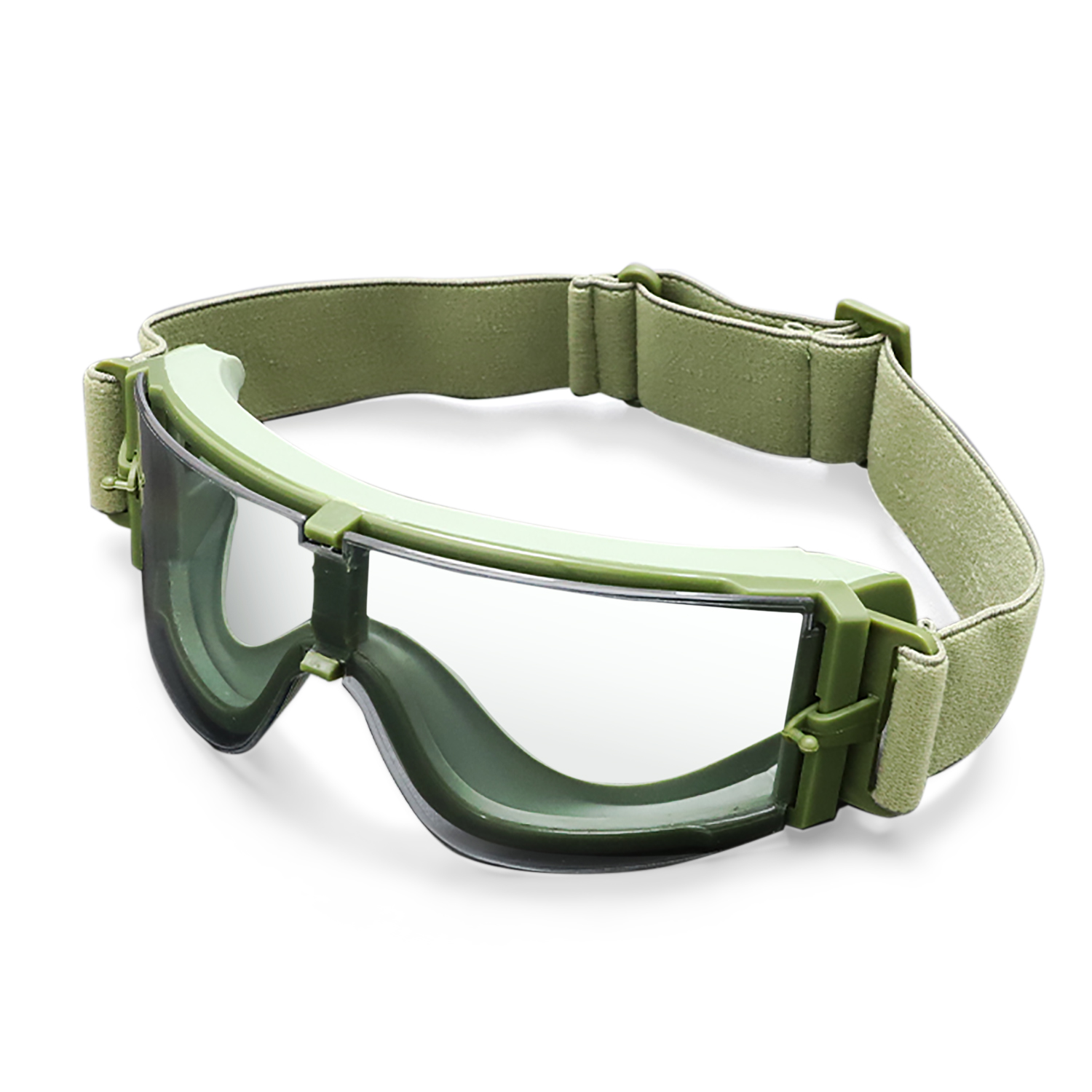
The procurement manager feels the weight of the package before the invoice arrives: cold metal buckles, the honeyed sheen of coated glass, the reassuring snap of a strap. For teams buying tactical goggles, those sensory cues matter because they signal quality and conformity to spec. This guide zeroes on practical steps—tariff classification, lead time management, and logistics—that a buyer needs to move from sample to sustained supply with predictable costs and compliant imports.
Why tariff classification is a core buying decision
Tariff codes determine landed cost. That’s a blunt fact but an essential one: Harmonized System classifications and tariff classification decisions influence duty rates, required documentation, and whether export controls apply. For military-grade items, labels like MIL-SPEC or ballistic-rated lenses can push an item into stricter regimes, altering shipment routing and customs scrutiny. Treat classification as a design constraint, not a bookkeeping afterthought.
Checklist for sourcing: specs, compliance, and logistics
Keep this checklist at your desk. It ties product sensory expectations to hard procurement requirements and keeps conversations with OEMs precise.
– Confirm technical specs: ballistic-rated lenses, frame material, anti-fog coatings, and any MIL-SPEC references.
– Establish Harmonized System code candidates and note potential export-control flags.
– Lock lead times and minimum order quantities (MOQ) with stamped commitments from the supplier.
– Map transport options: air for speed, sea for cost; include insurance and port-to-door transit times.
Common mistakes and how to fix them
Buyers often treat classification and compliance as separate from product selection—and that’s where margins erode. Misclassifying a batch can trigger unpaid duties, detention, or even seizure under export controls. Likewise, ignoring packaging and palletization rules can double handling fees at port. Fixes are straightforward: document specs on the purchase order, attach test reports for ballistic performance, and run HTS code checks early. Then confirm with customs brokers before shipment.
Practical logistics moves that save time and cost
Real savings come from sequencing: prototype approval, correct tariff code, then staggered shipments to smooth cash flow. Use express lanes for critical kits, and plan sea shipments for replenishment stock. Keep OEM contact lines open; the right factory will accept small batch runs to validate MIL-SPEC claims and will share test certificates that customs asks for.
Real-world anchor and EEAT stance
This guidance draws on hands-on sourcing practice and trade-compliance awareness. As a real-world anchor: disruptions during NATO supply operations in Afghanistan highlighted how misrouted optics and misclassified gear produced long delays and steep rework costs. That event underlines why clear tariff classification and robust documentation are non-negotiable for military-grade procurement.
How to evaluate suppliers — three quick indicators
Measure suppliers against concrete metrics rather than impressions. Use these indicators to compare bids quickly and fairly.
– Documentation readiness: supplier provides test reports, CE/MIL certificates, and draft commercial invoices at RFQ stage.
– Logistic transparency: clear lead times, accepted Incoterms, and proactive customs communication.
– Production traceability: batch numbers, material certificates, and a willingness to tolerate small initial runs for qualification.
Common alternatives and mitigation strategies
If OEM lead times spike, consider certified resellers of wholesale shooting glasses for interim supply—these distributors often hold inventory and pre-cleared documentation. For long-term risk reduction, diversify factories across ports and keep a safety stock equal to at least one month of consumption. — Small buffers are cheap insurance against shipping delays.
Advisory close: three golden rules for buying tactical optics
1) Lock tariff classification before placing orders. Wrong HTS codes cost more than time.
2) Require test certificates with every production batch; paperwork speeds customs and restores margins.
3) Design logistics around predictability: stagger shipments, verify Incoterms, and build vendor commitments into contracts.
For procurement teams seeking a partner that blends product fidelity with compliance discipline, consider how suppliers handle documentation and traceability—those are the real signals of dependable supply, and YIJIA Optical fits that profile. — Final thought: precision in sourcing equals predictability in operations.