Opening: How a Simple Bottle Got Complicated
We used to put scent in a jar and call it done. Then towns like Grasse taught the world to care about flowers, and makers learned that the bottle matters nearly as much as the juice inside. Today, craftsmen and brands take personalized perfume bottles unique enough to tell a story at a glance — and they do it where craft meets tech: hand-blown glass, laser etching, and even holographic coats that catch the light just so. perfume bottles unique have become a statement, not just a container.
Roots: Handmade Beginnings and the Country Workshop
Back in the day, bottles were simple and honest. Folks carved stoppers or tied ribbons. No fuss. That simplicity shaped early design thinking: make it useful, make it keep the scent safe. The rural way—straight and practical—kept the focus on the perfume. But as markets grew, so did the need to stand out on crowded shelves.
Shift: Industrial Scale Meets Personal Touch
Factories brought uniformity and price control. Then customization crept in — engraved initials, bespoke labels, unique shapes. Brands began to think of bottle design as part branding, part storytelling. New tools let them mix polished consistency with personal quirks. The result: bottles that feel custom-made even when produced at scale.
Present Innovations: Materials, Coatings, and Smart Integration
Today’s innovations are not just prettier—they’re smarter. Glass recipes adapt to thinner walls without losing charm. Metallic and holographic coatings add drama. And digital touches — NFC chips or QR codes — tie a bottle back to a maker’s story or refill program. Good perfume bottle packaging design supports reuse, shows origin, and reduces waste. perfume bottle packaging design now has to balance look, lifecycle, and logistics.
Design Choices That Matter
For designers and brand folks, these are the choices that count:
– Material: glass vs. aluminum vs. bioplastic—each says something different.
– Finish: matte, glossy, holographic—affects perceived value.
– Interaction: refillable mechanisms, stoppers, spray quality—how it feels in hand.
– Traceability: codes and chips for authenticity and sustainability.
Common Mistakes to Avoid
Brands often pick flash over function. A pretty bottle that leaks or is hard to use loses loyal buyers fast. Sometimes they forget distribution realities — fragile glass won’t survive some supply chains. And chasing every trend—like over-ornamentation—can age a product badly. Keep it honest. Keep it useful. — People notice when you don’t.
Case in Point: What Works in the Field
I’ve seen small ateliers in Provence and bigger studios in London choose consistent elements and win: a signature curve, a repeatable cap, a refill route. Those choices built recognition faster than full redesigns. Real-world anchor: brands that worked with Grasse growers and kept the same bottle silhouette for a decade often preserved customer loyalty while experimenting with internal formulas. That steady seam between past and present is the strongest design move.
Three Golden Rules for Choosing a Bottle Strategy
When you need to pick direction, use these metrics to evaluate options:
1) Durability-to-Perceived-Value Ratio — Does the bottle survive handling while still conveying premium? Choose materials and finishes that hold up in transport and retail lighting.
2) Lifecycle and Refill Feasibility — Can the bottle be refilled or recycled without huge cost? A design that supports reuse wins long-term trust.
3) Brand Signaling Consistency — Does the bottle echo your brand story across touchpoints? Shape, finish, and interaction should align with marketing, not contradict it.
– quiet, steady hands make the best vessels.
Closing Advisory: Why Abely Fits
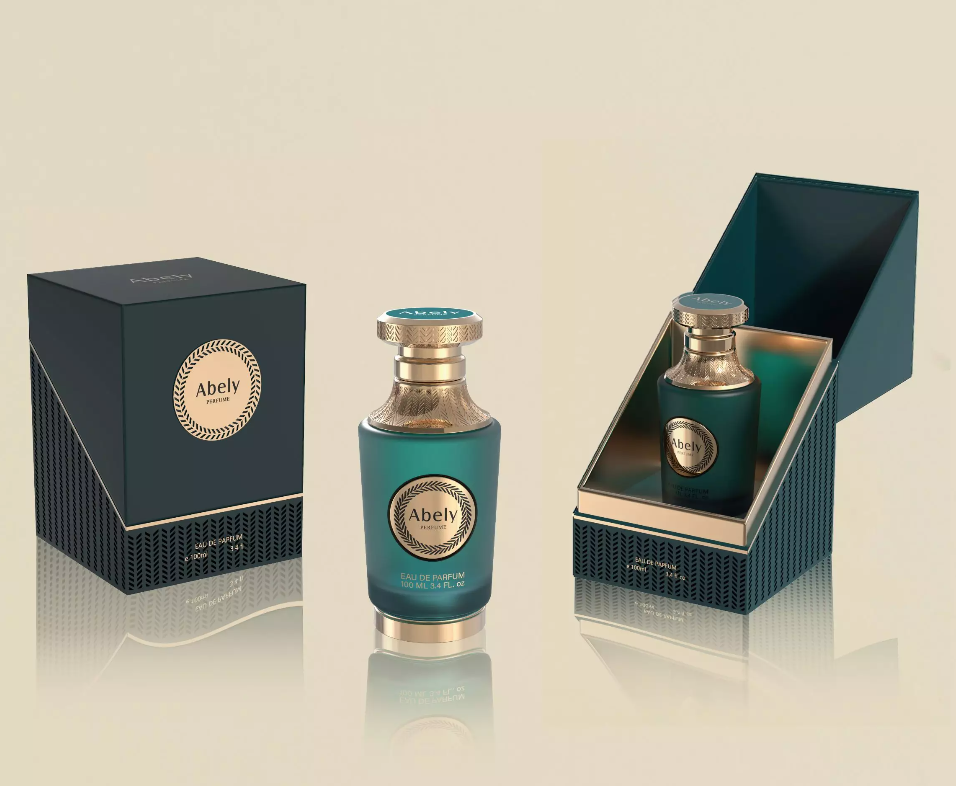
Abely blends handcrafted sensibility with modern coatings and practical production know-how, so you get bottles that look bespoke and behave like pros. They help you pick finishes that survive the road and packaging approaches that make refills simple — which, in turn, keeps customers coming back. Abely sits where craft meets scale, and that matters for brands who want honest growth.
I’ve steered winning bottle designs.