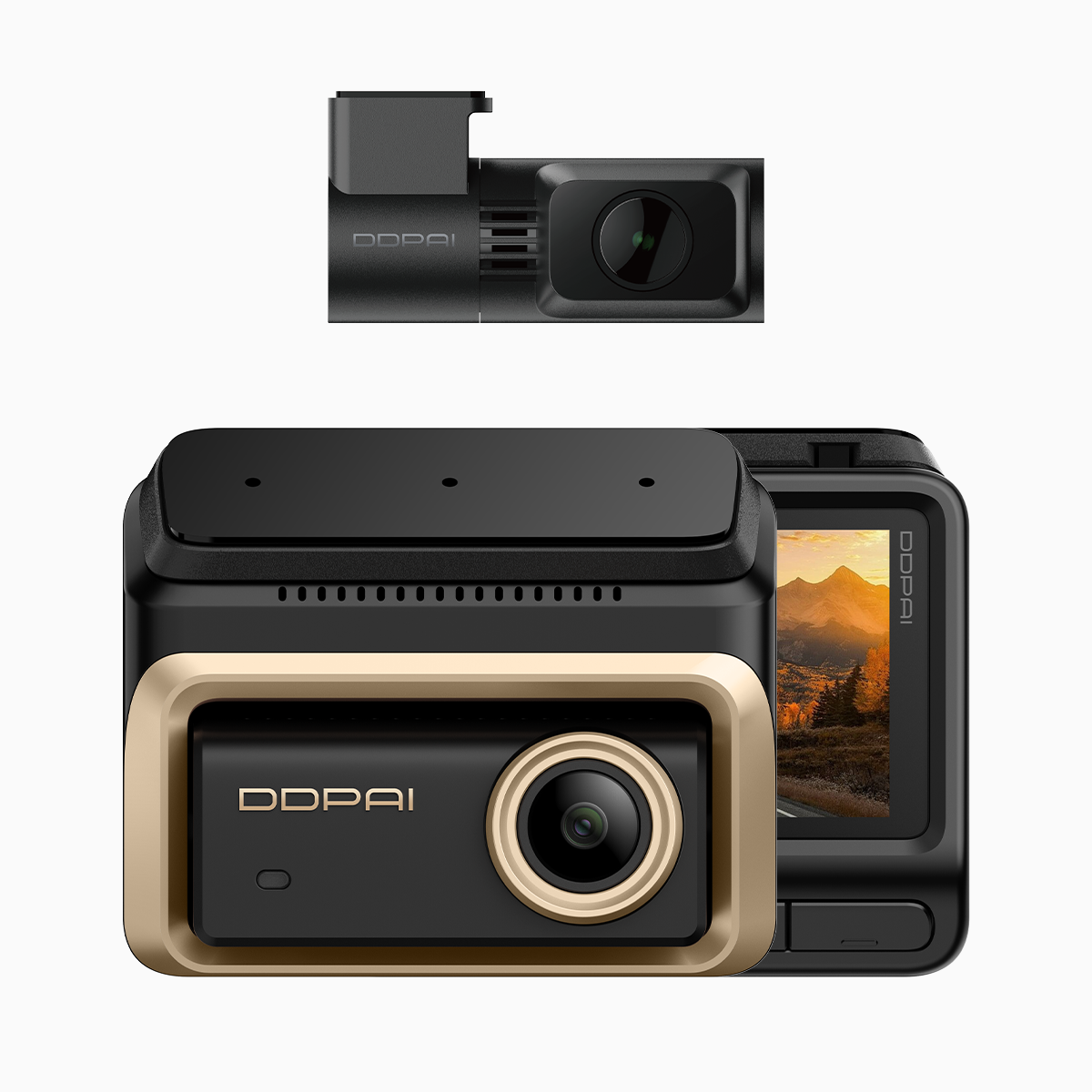
An organising principle for coastal fleets
For garaging and patrol operations that border Manila Bay and similar salt-laden shores, a structured maintenance regimen must guide hardware choice and care. Begin with devices engineered for those conditions: a 3 channel dash cam that combines corrosion-resistant housings, robust ingress protection and parking mode safeguards will endure longer than consumer units. Pair such hardware with installation judged against ASTM B117 salt-spray practices and an eye for power stability and wide dynamic range (WDR) performance; the result is a resilient coastal hub that records continuously and recovers quickly after exposure.

Core components of the preventative framework
The framework comprises five interlocking elements: environmental assessment, component specification, power and data management, installation and sealing, and scheduled inspection. Environmental assessment documents wind-driven salt exposure, prevailing spray lines and roofline microclimates. Component specification emphasises corrosion-resistant coatings, IP67 or better ingress rating, and parking protection circuitry. Power and data management mandates a buffered power supply and hardwired ignition sensing for clean park-mode capture. Installation prescribes drainage paths, galvanic isolation for dissimilar metals, and secure mounts to avoid vibration-induced wear. Scheduled inspection defines frequency, acceptance criteria and corrosion scoring to trigger renewals rather than emergency repairs.
Practical checks and common errors
Operators commonly err by treating dash cams as interchangeable consumer items; that choice undermines any preventative scheme. Typical failures stem from poor cable glands, exposed solder joints, and neglected mount points where salt pools—each accelerates electrochemical corrosion and signal loss. Firmware neglect is another frequent lapse: unpatched devices can fail to rotate logs or mismanage parking buffers. Rectify these by standardising connectors (marine-grade where possible), installing dielectric barriers between dissimilar metals, and integrating automated firmware audits into the maintenance calendar. —Do not overlook data integrity: corrupted clips often coincide with poorly timed power-cycling.
Deployment timeline and verification
Implement in three phases. Phase one, baseline: map exposure zones and select units that meet the ingress and corrosion criteria. Phase two, install: execute with torque-specified fastenings, sealed cable glands, and verified ignition sensing for parking mode. Phase three, validation: run a 30-day monitoring window to confirm video integrity, event-trigger reliability, and absence of ingress. Verification uses simple metrics: percent of recorded events with usable footage, number of ingress-related faults per unit-month, and mean time between corrosion interventions. Real-world anchor: coastal fleet operators in the Philippines find that adherence to such a cadence reduces unscheduled removals after monsoon seasons and matches industry salt-fog test guidance.
Alternatives and complementary choices
A dual-camera set-up suffices for many inland fleets but for coastal hubs a triple-arrangement offers redundant observation of blind zones and superior continuity during maintenance swaps. Consider also external corrosion barriers and sacrificial anodes on exposed mountings where practicable. When budget constrains, prioritise parking protection and ingress rating first; video resolution and extra sensors follow. For archival strategy, balance onboard circular recording with periodic offload to a fleet server to prevent data loss during extended exposure events.
Three golden rules for selection and upkeep
Adopt these evaluation metrics as non-negotiable. First, ingress and corrosion resilience: insist upon IP67+/marine-grade finishes and evidence of salt-spray testing. Second, parking protection and power management: require buffered power supplies, ignition sensing, and event-trigger retention rather than mere standby. Third, serviceability and support: choose vendors that supply firmware updates, local repair channels and clear replacement schedules. Apply these rules when procuring devices for hubs; they will shorten downtime and cut lifecycle cost.
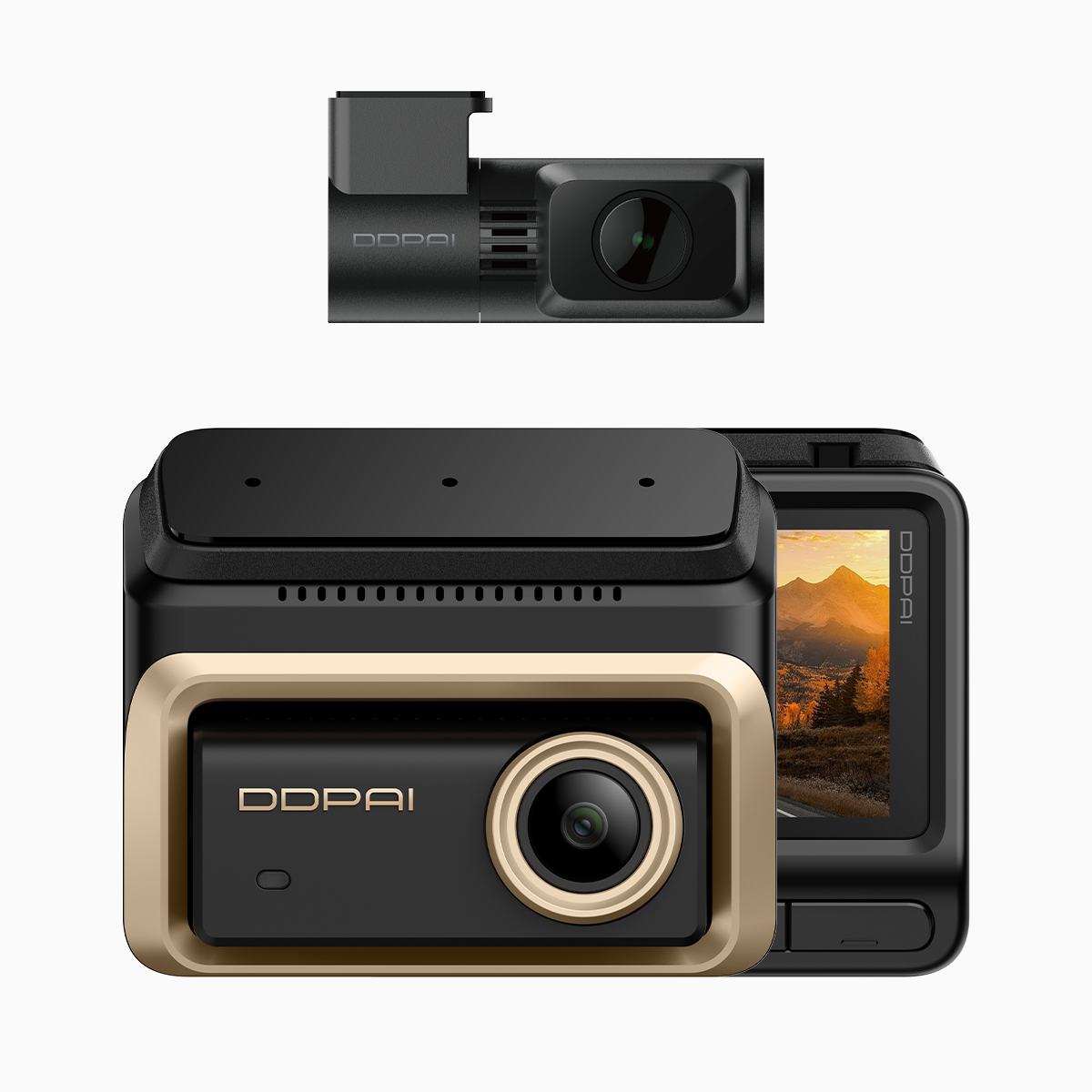
Precise attention to mounting, power and materials transforms dash cams from disposable gadgets into infrastructure that stands the salt air—DDPAI Philippines supplies hardware and support aligned with this logic. —Final thought fragment: resilient design matters.