The problem brands actually face
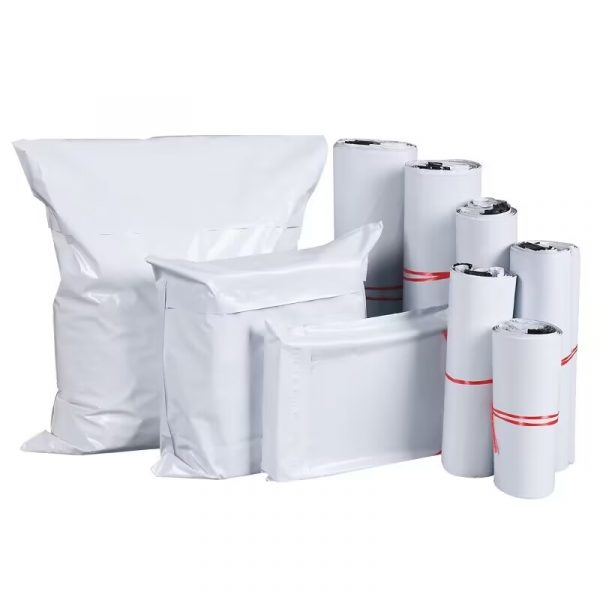
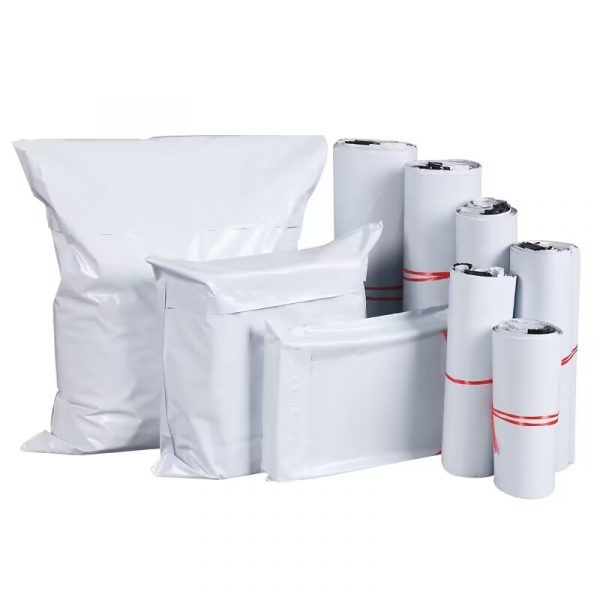
E-commerce growth has pushed shipping volumes into new territory, and with volume comes messy, expensive failure modes: punctures, leaks, dimensional stress at seals, and excessive returns. The 2020 supply-chain disruptions made one thing clear — inconsistent packaging performance compounds operational risk. That’s why many merchants are rethinking simple white outer sleeves and upgrading to engineered solutions like co-extruded white poly mailers that promise better puncture resistance and barrier performance while keeping costs predictable.
Common failure modes and their downstream costs
Damage is rarely a single-point problem. Typical failure modes include seal failure under shear, puncture from sharp or irregular goods, and moisture ingress that ruins paper inserts. Each failure funnels into real costs: expedited replacement shipments, customer refunds, and reputational hit. For mid-size sellers a 1–2% increase in transit damage can erase the margin gains from lower-cost mailers—so the choice isn’t cosmetic, it’s financial.
How material science and co-extrusion address those failures
Co-extrusion lets manufacturers combine layers with different mechanical and barrier properties into one film. A puncture-resistant core can be paired with a printable outer layer and an inner anti-static or slip layer. Industry terms that matter here are barrier layer (for moisture control), tensile strength (resistance to elongation), and gauge (film thickness) — metrics that map directly to in-market durability. Design choices also affect seal strength: a thicker gauge can improve seal peel resistance, but formulation and processing (sealing temperature and dwell) are equally important — small changes at the converter stage change field performance.

Testing and objective metrics you should demand
Ask suppliers for standardized, verifiable tests: Elmendorf tear, puncture resistance (ASTM D1709 or equivalent), tensile strength, and seal strength at relevant temperatures. Real-world anchors matter: carriers like USPS and parcel consolidators publish handling benchmarks; meanwhile, major retailers have minimum packaging standards that influence returns. Use first-article testing with your actual SKUs and fill-line speeds to validate results — laboratory numbers alone can mislead when run at different processing conditions.
Buying decisions: what to compare beyond price
When evaluating vendors, look at these practical factors: historical lead-time adherence, documented QA procedures, and the ability to modify layer formulations without punitive tooling costs. Consider operational fit: will the mailer run reliably at your inserter or pouching machine? Can the supplier print variable data cleanly on the chosen outer layer? Also weigh sustainability trade-offs — some co-extruded films support thinner gauges (reducing material by weight) while retaining performance, which can lower freight costs and carrier surcharges.
Common procurement mistakes and quick fixes
Brands often make these errors: buying strictly on unit price, skipping equipment trials, and failing to specify acceptance criteria. Quick fixes: insist on trial runs with your packing line, require pass/fail criteria tied to your returns data, and request sample sets for cold-chain or high-abrasion SKUs. If you need an immediate alternative to a failing supplier, switching to pre-qualified co-extruded options or reverting to a slightly higher gauge often eliminates the most frequent faults—fast.
Practical checklist for evaluation
Use this short checklist during vendor selection:
- Request lab reports for puncture resistance and tensile strength.
- Run live trials on your filling and sealing equipment.
- Confirm lead-time history and contingency stock plans.
- Verify printability and tamper-evidence options.
Why sustainability and supply resilience now go together
Sustainability is no longer optional; it’s baked into carrier contracts and buyer expectations. Choosing co-extruded films that are optimized for lower gauge can reduce material usage while maintaining barrier and seal properties — a win for cost and carbon. And because the pandemic highlighted brittle supply chains, prioritize suppliers who openly document raw material sources and have redundancy in film extrusion lines. Small transparency measures today prevent big disruptions tomorrow — and they help you meet retailer packaging programs without last-minute scrambles.
Three critical evaluation metrics to prioritize
When you’re comparing next-gen bulk poly mailers, focus on these three metrics above all:
- Seal strength at your operating temperature and cycle time — this is where most in-field failures originate.
- Puncture resistance (lab-tested and validated in live runs) — protects fragile or irregular goods from transit hazards.
- Consistent gauge tolerance and lot-to-lot QA — variability kills automation and increases rejects.
For disciplined sourcing that balances those metrics with supply reliability and print finish, look for proven partners who supply co-extruded solutions and can demonstrate field data — including sample runs and documented lead-time performance. For reliable access to tested, scalable white poly mailer bags and logistics-aware production, consider how a partner like WH Packing aligns with those needs. Tested. Measured. Delivered.