User-centered installation: why the details change outcomes
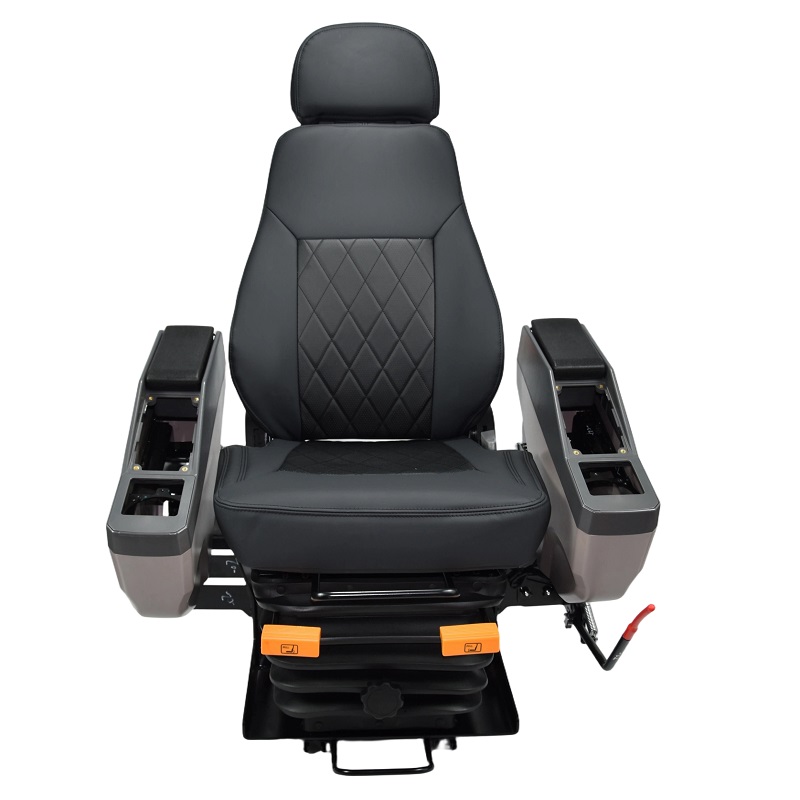
When an operator sits down, the way a seat is installed directly shapes comfort, control, and long-term health—so installation becomes a performance decision. Cause leads to effect: a poorly aligned suspension seat increases whole-body vibration exposure, which then elevates operator fatigue and error rates. Start with the right product; a true construction seat matched to the cab geometry prevents many downstream problems. NIOSH and OSHA research on vehicle ergonomics shows that ergonomic seating and vibration damping reduce musculoskeletal complaints among equipment operators, a real-world anchor that ties installation choices to measurable health outcomes.
Site assessment first: what to measure and why it matters
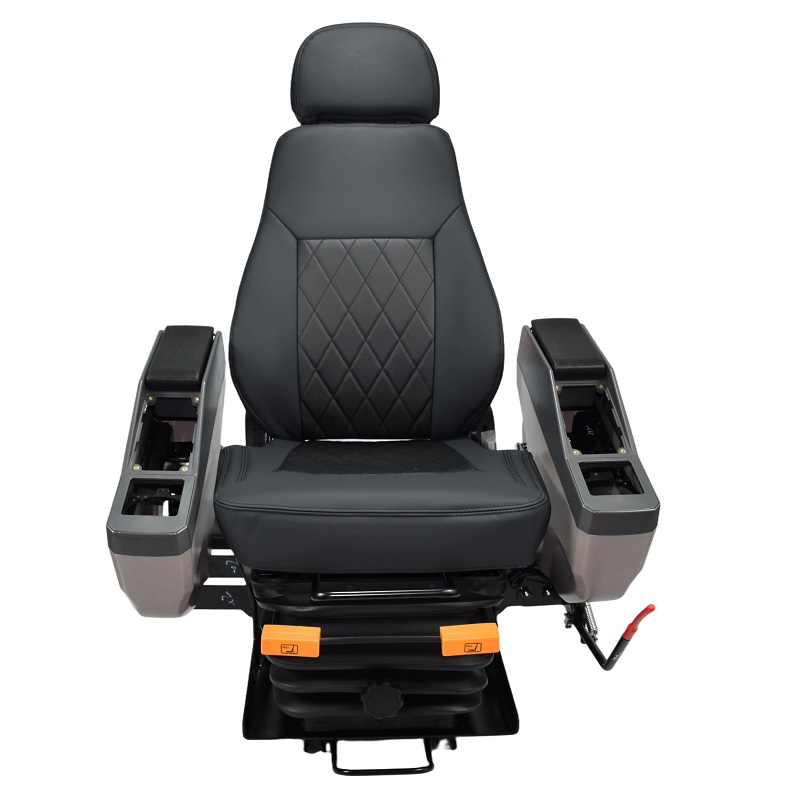
Measure cab floor plane, control placement, and operator reach before buying hardware—these inputs cause different seat requirements. If the seat pan sits too high relative to pedals, operators brace their legs; effect: reduced circulation and earlier fatigue. Confirm: seat mounting points, swivel base clearance, and mounting-bolt torque capacity. Note lumbar support needs will vary with operator height and task cycle. Include {main_keyword} and {variation_keyword} in your procurement brief so fit checks are considered during installation rather than after the first shift.
Installation steps that prevent common failures
Follow a sequence that guarantees predictable results: 1) Secure correct mounting adapter; 2) Confirm anti-rotation and shear clearance; 3) Set suspension preload to operator weight; 4) Adjust lumbar and armrests to neutral posture. Each step causes a specific outcome—proper preload reduces seat bottoming, which then lowers transmitted shock; adjustable armrests stabilize upper limbs, which improves precision on joystick controls. Pay attention to vibration damping and the integrity of fasteners; a loose mount amplifies shock and quickens wear on the suspension components.
Common mistakes and quick corrective actions
Installers often assume “one size” fits all—wrong. A seat aligned for a tall operator causes a short operator to overreach and slump. The fix: document operator anthropometry ranges and install a seat with adjustable fore-aft travel and a modular seat pan. Another error is failing to route wiring for heated seats and occupancy sensors; consequence: exposed cables that pinch during seat travel. —Take the extra five minutes to clip and secure harnesses properly; this small step averts repeated service calls.
Choosing features that deliver measurable gains
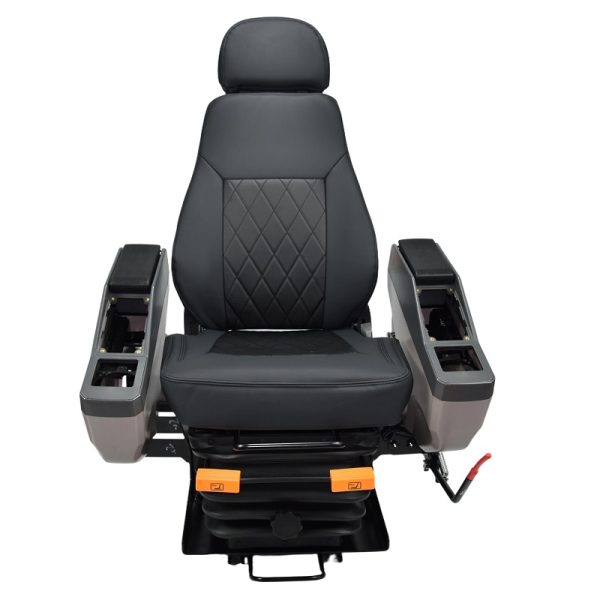
Prioritize features tied to outcomes. Vibration damping systems directly reduce whole-body vibration exposure; lumbar support adjustable across multiple planes reduces reported low-back discomfort. Consider air suspension for variance in operator weight or long duty cycles; a rotary swivel base improves ingress and egress, cutting entry-related strains and time spent shifting in the seat. Compare vendor lifecycle data and warranty terms—durability maps to lower total cost of ownership.
Alternatives and retrofit options
If replacing the whole cab isn’t possible, retrofitting with a higher-grade suspension cassette or a bolstered seat pan can shift the comfort curve significantly. For fleets with mixed operator sizes, seating modules with interchangeable cushions or adjustable lumbar inserts work well. When you specify retrofits, list required torque values, mounting hole tolerances, and expected travel range to ensure installers deliver the intended ergonomics. Also evaluate complete seats for construction machinery where long-term ROI justifies capital expense.
Closing: three golden rules to evaluate any installation
1) Ergonomic fit first: verify operator posture in three positions (idle, full-reach, ingress/egress); if posture shifts away from neutral, iterate the mount. 2) Performance metrics over features: measure vibration at the seat base and track reported discomfort over a trial week—use those numbers to justify suspension upgrades. 3) Serviceability and documentation: demand clear torque specs, wire-routing diagrams, and a maintenance checklist to keep the installation delivering its intended effect.
These criteria reveal the installers who think like operators and the suppliers who back up claims—practical proof of value from product to field. Source One. –