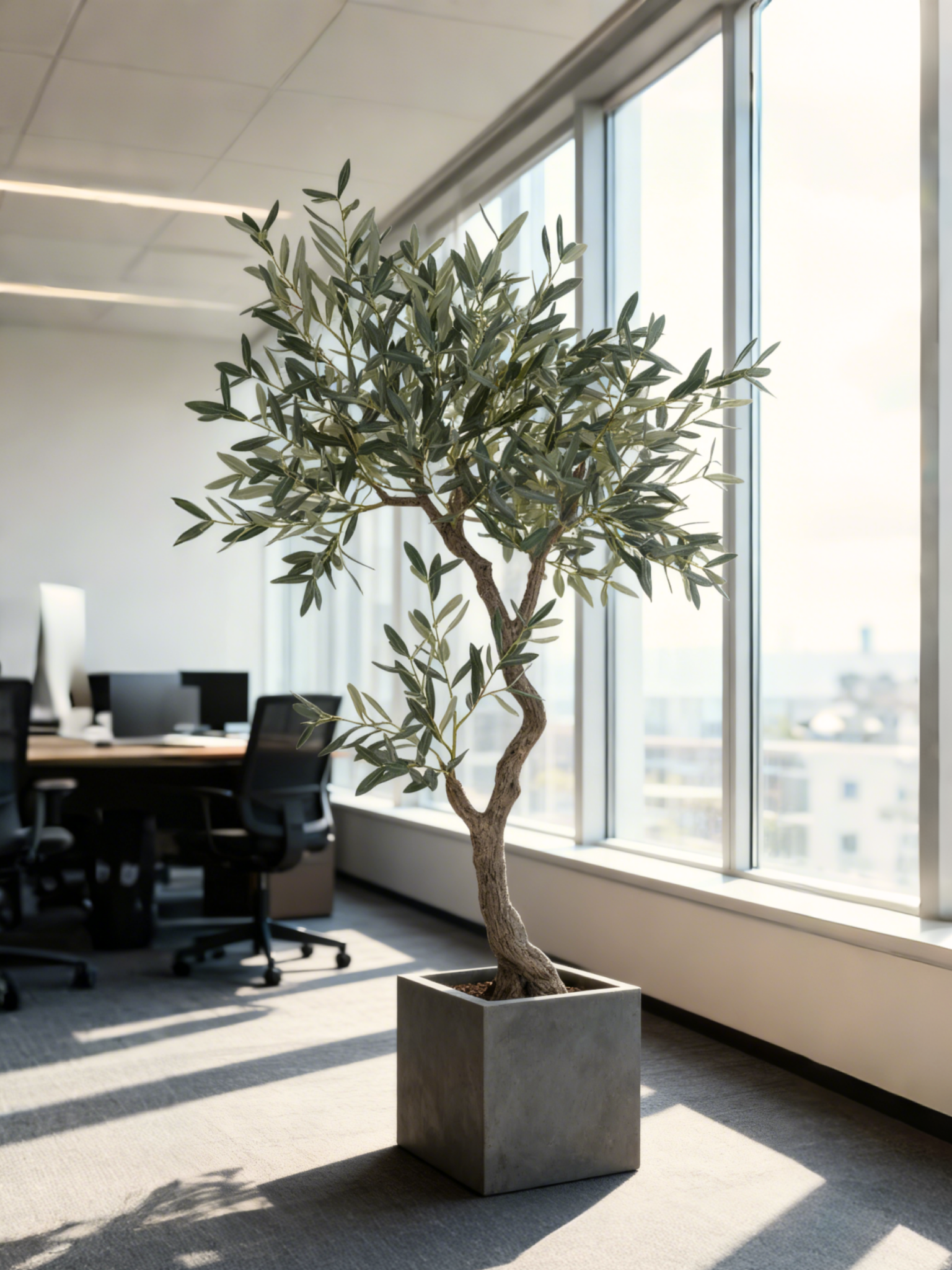
The problem facing modern corporate atriums
Large corporate atriums promise visual calm and biophilic benefits, but in practice they generate recurrent costs: irrigation systems fail, plant health fluctuates, and seasonal replacements interrupt operations. Facility managers report frequent interventions for pest control, substrate repair, and humidity balance. For many organisations the measurable problem is simple—sustained labour and lifecycle expense undermine the intended asset value. The pragmatic response emerging in design practice is replacement of vulnerable live systems with engineered alternatives offered by specialist manufacturers such as an artificial plants manufacturer and by global china artificial plants suppliers, a supply base concentrated near Guangdong and visible at events such as the Canton Fair.
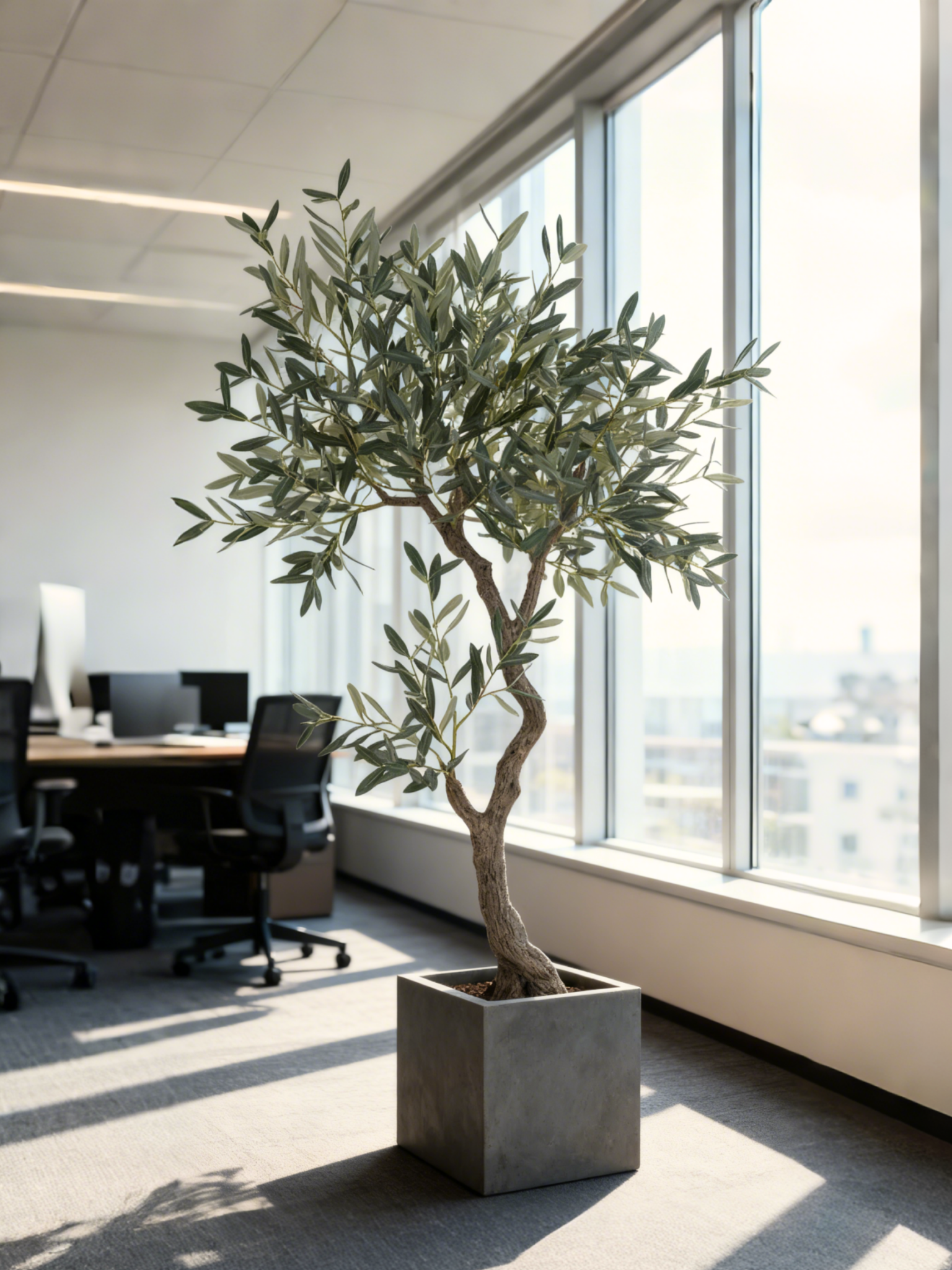
How heavy-duty artificial green walls address maintenance and risk
Commercial-grade green walls remove variables that cause cost overruns. Robust synthetic panels resist UV degradation and retain colour through anti-fade pigment technology; they avoid rot and pest incidence because there is no organic substrate. Properly specified systems include fire-retardant backing and structural mounting systems rated for high wind load in atrium atria with multi-level cavities. The result is predictable appearance and quantifiable life-cycle performance, which is essential for corporate capital planning.
Technical criteria for selecting a manufacturer
Selection of a heavy-duty supplier must be based on measurable specifications rather than marketing language. Prioritise the following: material composition (UV-stabilized PVC or polyethylene blends), fire-rating certification, modular panel geometry for ease of replacement, and compatibility with building anchoring standards. Also examine warranty scope and testing reports for colourfastness and tensile strength. Attention to these industry terms—UV-stabilized PVC, modular panel, fire-retardant backing—separates reliable supply from commoditised offerings.
Sourcing and real-world anchoring
Manufacturing clusters in southern China have long supplied large-volume projects; architects and procurement officers commonly visit trade shows in Guangzhou and Shenzhen to verify production processes. This is a real-world anchor: inspection of factory-floor quality control at a Guangdong facility or confirmation of material test certificates at the Canton Fair provides decisive evidence. When decision-makers accept supplier claims only after such verification, project risk declines substantially.
Common mistakes and practical alternatives
Common procurement errors include over-specified ornamentation without structural testing, and underestimating interface details between the green wall and HVAC systems. Another mistake is choosing visually attractive foliage without considering anti-fade pigment performance under atrium skylights. Alternative approaches exist: semi-synthetic hybrid walls that combine low-maintenance live plants with synthetic panels, or framed living panels with remote irrigation controls. Each alternative carries its own trade-offs in maintenance, cost, and aesthetics—document these trade-offs and quantify expected interventions over a ten-year horizon. – A cautionary note: aesthetic parity alone should not trump lifecycle metrics.
Installation and lifecycle considerations
Installation must account for load paths and serviceability. Use a drainage membrane and accessible mounting system to prevent unseen water pooling when any hybrid elements are present. For purely synthetic systems, plan for periodic dusting and UV inspection rather than irrigation access. Lifecycle planning should include scheduled replacement intervals for panels based on measured colour retention and polymer creep under sustained loads.
Advisory: three golden rules for procurement and design
1. Require documented test data: insist on independent certification for UV resistance, fire rating, and tensile strength rather than supplier claims. These metrics predict longevity and safety.
2. Specify modularity and service access: choose systems with replaceable modular panels and a mounting system that permits non-invasive servicing. This reduces downtime and preserves finishes.
3. Verify factory process on site or through verified video audit: confirm material sourcing, anti-fade pigment application, and quality control procedures with evidence from production lines, ideally in manufacturing clusters such as Guangdong.
These measures deliver clarity for facilities teams and measurable reductions in maintenance budgets. Sharetrade has assisted clients to formalise these specifications and to align procurement with operational outcomes—clear, pragmatic intervention that turns atrium design from liability into long-term asset. – Final thought: durability defined by data.