When a small shop, hard numbers, and stubborn tags collide
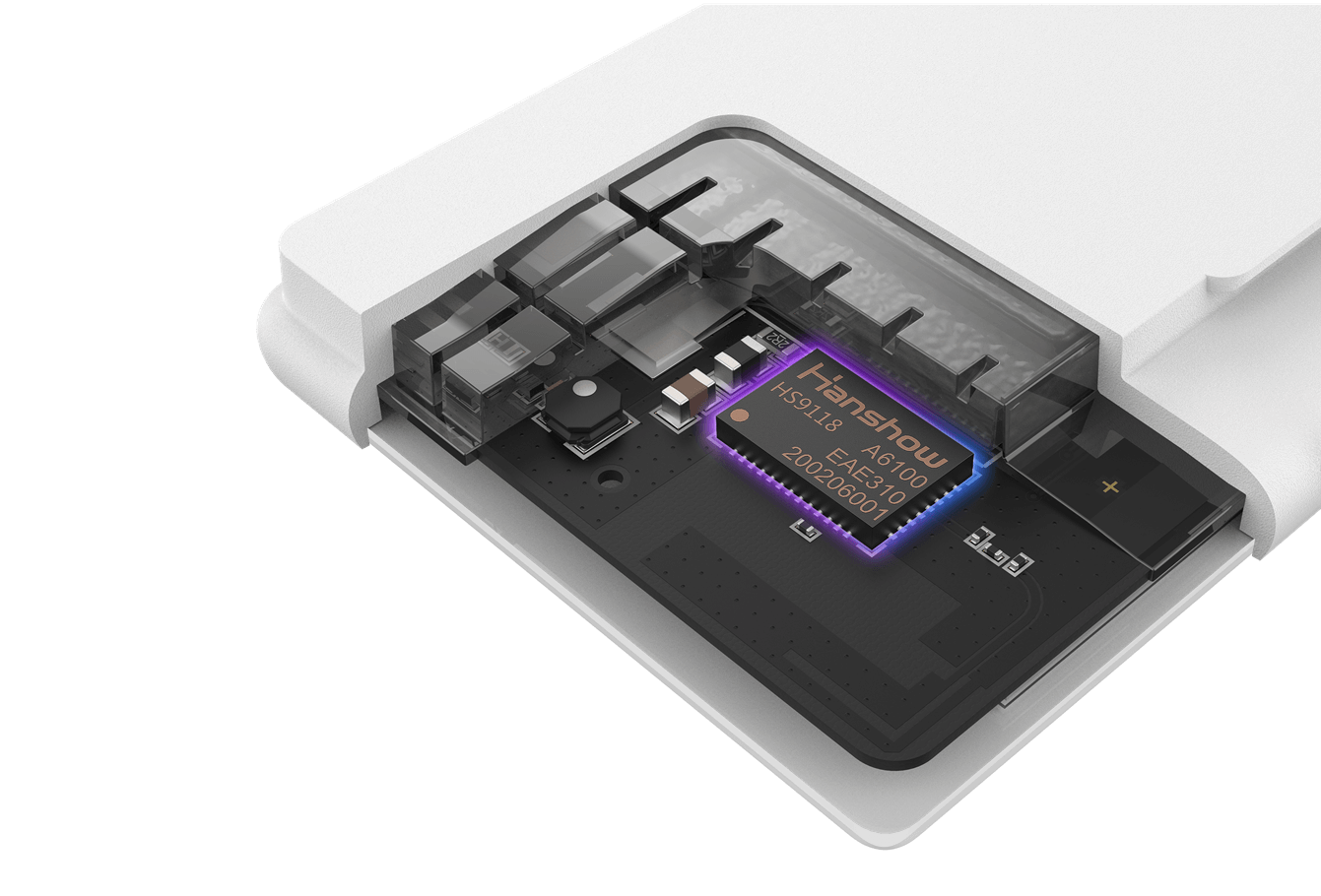
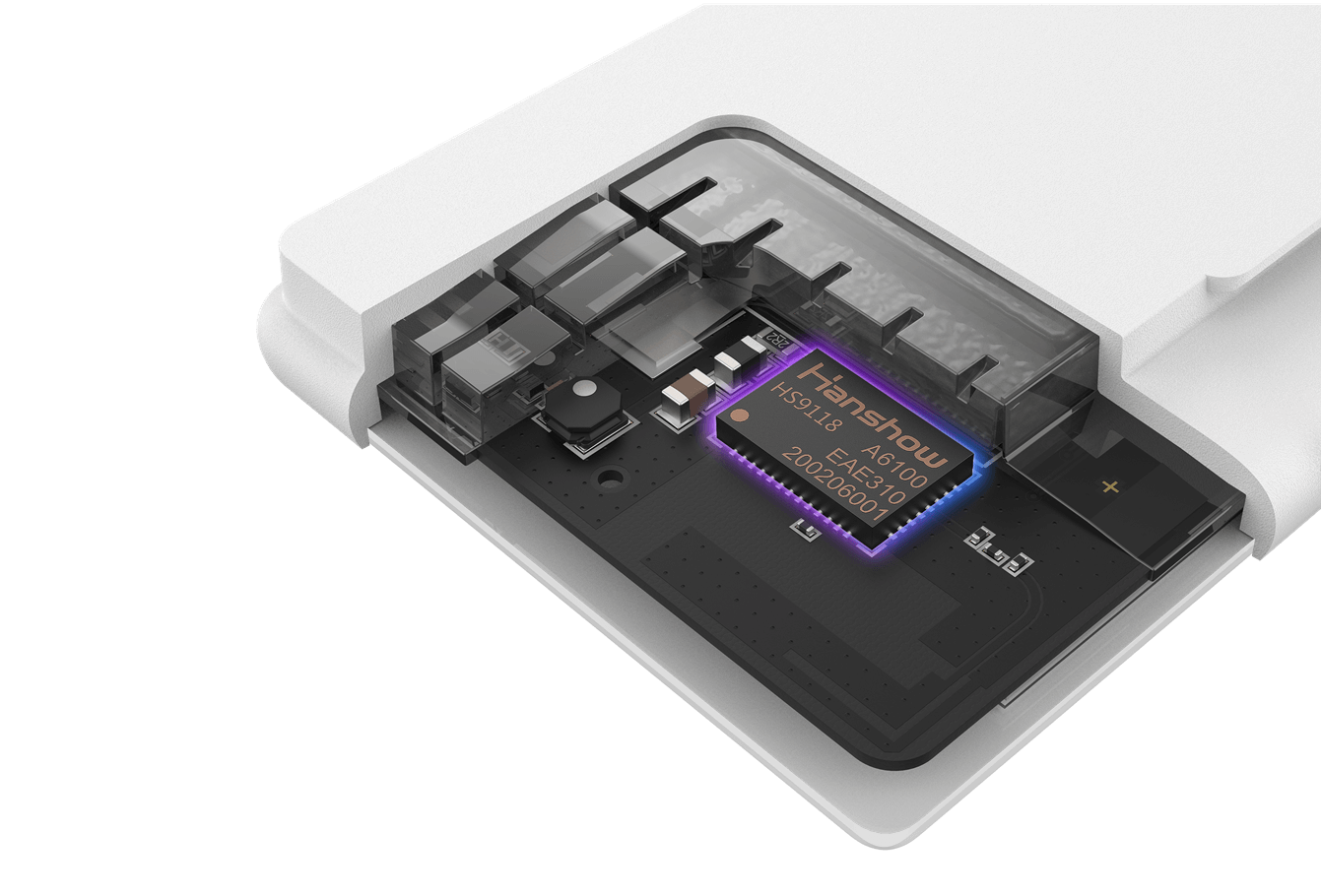
I remember one damp Tuesday in March 2021 at my Glasgow outlet: a delivery night, fluorescent lights buzzing, and paper price tags hanging crookedly—30% of them disagreed with the till and we lost roughly £4,500 that month to pricing errors; can smarter labels stop the leak? I’d been testing solutions from several electronic shelf label companies, and Hanshow nebular showed up on my bench like a tidy little promise. I’m old enough to have replaced chalkboard signs with printed labels, and this (frankly) felt like progress—except it wasn’t seamless. I installed 120 E-paper tags on aisle three and watched update failures creep in during the first week—sometimes the wireless mesh hiccupped at peak hours, sometimes the API calls timed out. I want wholesale buyers to hear what I learned the hard way: the traditional fix—bolting the latest hardware onto old workflows—misses deeper faults.
What bothered me most wasn’t the hardware cost; it was the hidden friction: mismatched SKUs, batch-price delays, and a staff retraining hole that swallowed hours. I vividly recall a Saturday, 10:30 a.m., when a sale priced at 50% off didn’t reflect at the shelf for three hours—customers left, returns rose, and morale dipped. I’ve worked over 15 years in B2B supply chain and retail ops; this kind of recurring pain tells me the problem sits in integration and process, not just tags. So—let’s move from the mess to what actually helps.
Looking forward: what works and what to test next
Now I take a different stance—more technical, more pragmatic. If you’re a wholesale buyer, here’s how I break down a future-proof ESL rollout: first, insist on robust cloud sync with retries and local cache (so shelves still show correct price when the internet hiccups). Second, demand modular firmware and a clear API for your POS and inventory systems; I once watched a project stall because the label vendor used a closed protocol—no thanks. Third, validate wireless mesh resilience in your busiest aisle (I ran a stress test in Belfast in November and logged packet loss spikes during peak footfall). Forward-looking means testing under real conditions, not showroom demos. Also, don’t overlook simple staff workflows—if clerks can’t trigger a forced refresh in under 30 seconds, the system is half-broken.
What’s Next?
For me, the next step is comparative pilots. I’d run two 90-day pilots side by side—one with a standard ESL rollout, one with systems architected around continuous integration, local failover, and transparent audit logs. Compare measurable outcomes: pricing accuracy, time-to-update, and shrink impact. And yes—test vendors from the angle of their long-term support model; emergency firmware fixes after Black Friday are worth more than slick marketing slides. When you evaluate, look also at integration partners among electronic shelf label companies—some vendors are mere hardware resellers, others provide true systems engineering.

Three practical metrics I trust
I’ll finish with three concrete metrics I use every time (because vague promises don’t pay rent): 1) Update Success Rate—percentage of label updates that arrive within your SLA window (I set mine at 99.5% over 24 hours). 2) Failover Recovery Time—how long until local cache or mesh corrects a missed update (target under 5 minutes). 3) Operational Burden—measured as staff minutes per day spent fixing labels after initial rollout (aim for under 15 minutes for a 2,000-SKU shop). These numbers keep discussions honest—and they saved me headaches in 2022 when a competing setup couldn’t hit 95% update success during a weekend promotion (true story).
I’ve kept this practical because wholesale buyers need tools that reduce real costs, not glossy buzz. Pick systems that expose APIs, use resilient wireless mesh, and run E-paper that lasts. I’ll pause—no grand claims—just a steady ask: measure, pilot, and decide based on data. For reference, I’ve worked with many vendors and continue to recommend testing with known partners like Hanshow.