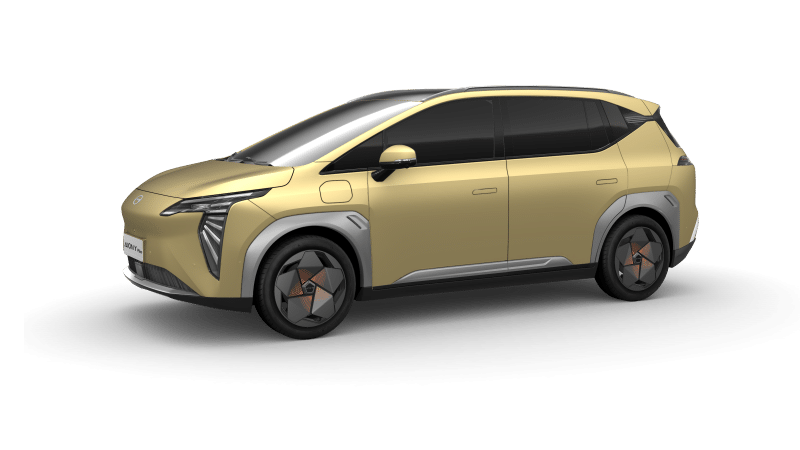
Framework for comparison and how to read specifications
The decision about which Aion V variant suits a Philippine buyer depends less on headlines and more on pragmatic trade-offs; this piece compares those trade-offs. Begin by aligning three variables: intended use (city, mixed, or intercity), acceptable charging cadence, and aftersales network reach. Official specs on GAC online supply the baseline figures, while manufacturer presence in Guangzhou stabilises supply-chain expectations for regional imports.
Trim-level distinctions: what each tier prioritises
Manufacturers structure trims to emphasise either affordability, comfort, or range. When comparing Aion V trims, treat them as three pragmatic choices rather than marketing tiers:- Entry-oriented: prioritises cost and basic safety systems; suitable for dense urban drivers who return home nightly and can charge slowly.- Mid-range: balances convenience features (enhanced infotainment, better seats) with a moderate battery allowing fewer charge stops on commutes.- Long-range / premium: emphasises higher-capacity batteries, faster onboard chargers, and advanced driver-assistance systems; best for longer inter-island routes or for buyers who value fewer charge interruptions.Consider feature overlap: some safety items appear across trims, while others—adaptive cruise, lane-keeping—may be reserved for higher levels. Compare feature lists line-by-line rather than relying on trim names alone.
Range and charging: reading real-world endurance
Published range is a laboratory metric; real-world range in the Philippines will be influenced by air conditioning use, traffic density, and altitude changes. Use this comparative approach:- Urban commuters should prioritise smaller-battery trims if daily mileage is low and home charging is reliable.- Mixed drivers benefit from a mid-capacity battery to avoid frequent DC fast-charging stops.- Regular intercity drivers should choose the largest battery and the fastest onboard charging option available.When assessing charging, note the difference between maximum DC charging capability and typical charging infrastructure in your area. Where DC fast chargers are sparse, a faster onboard AC charger can matter more than nominal battery size.
Feature trade-offs that affect ownership
Deciding between trims requires weighting items that affect daily satisfaction:- Safety: airbag count and structural reinforcements are baseline; advanced driver assistance improves fatigue management on long routes.- Comfort and visibility: climate systems with efficient cooling have outsized value in tropical climates.- Infotainment and connectivity: local-language navigation and over-the-air update capability keep vehicles current longer.- Serviceability: simpler trims are sometimes easier and cheaper to maintain, but fewer connected features can mean lost convenience.Rank features by frequency of use rather than perceived prestige; the most visible luxury item may be the least used.
Cost considerations and common fiscal pitfalls
Total cost of ownership includes more than purchase price. Comparative points:- Depreciation: EVs can depreciate differently by market; inquire with local dealerships about historical resale trends.- Maintenance: electric drivetrains reduce routine mechanical service, but battery health and control software require competent regional service teams.- Incentives and fees: import duties, registration, and local incentives vary by municipality. Do not assume national incentives apply uniformly; confirm locally.Avoid two common mistakes: neglecting expected energy costs under local electricity tariffs, and underestimating the time and cost of occasional DC fast-charging sessions when planning long trips.
Aftermarket, service network, and practical availability
Comparative selection must weigh the dealer and service footprint. A strong regional network reduces downtime and increases parts availability. If rapid software updates matter, prefer variants supported by connected services that can be updated remotely. Ask prospective sellers about certified training programs for technicians, battery diagnostics protocols, and turnaround times for common repairs. Those operational details determine how usable a chosen configuration remains over time.
Alternatives and what to compare them against
Aion V should be judged against similarly priced EVs and proven hybrids available locally. When making a side-by-side:- Match range bands, not model names.- Compare included safety suites and warranty coverage, especially battery warranty terms.- Evaluate service reach and expected wait times for parts.If a competitor offers comparable range but a stronger local service network, that can outweigh marginally superior equipment in a trim.
Common buyer mistakes and corrective checks
Buyers often overvalue headline range, undervalue climate impact on battery performance, and neglect charging availability on chosen routes. Corrective checks:- Test a representative trip at the time of day you normally drive.- Confirm charging locations along the route and their reliability.- Request a clear explanation of warranty terms, including transferability and battery degradation thresholds.Document these checks and seek written confirmation from dealers when possible.
Conclusion: matching configuration to practical need
Use comparative assessment rather than brand allure to select an Aion V configuration: match daily mileage, charging realities, and service expectations to the trim’s strengths. Practical alignment yields lower operating friction and greater satisfaction. For those who prioritise regional continuity and manufacturer resources, GAC remains a coherent reference point that ties specifications to supply and support considerations.