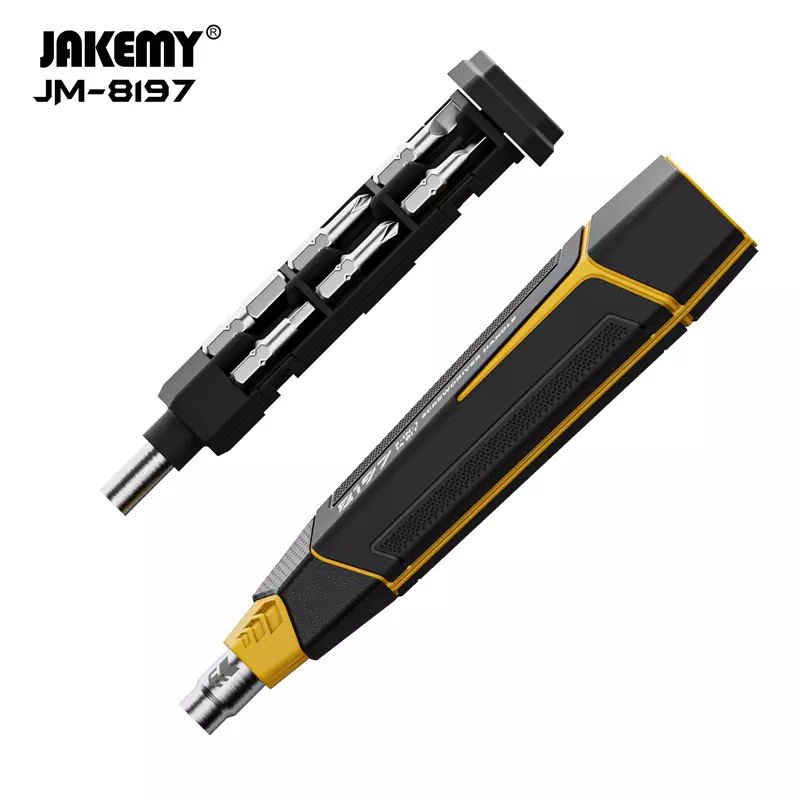
Opening: a comparative pulse
Think of a toolkit like a small orchestra—each bit, each ratchet, playing its part. In the same score, a well-tuned computer screwdriver kit teaches lessons that echo into ultrasonic cutter work, especially when you examine modularity and tactile control. I’ll thread an ultrafine line between the two worlds and start by pointing you toward a useful reference: ultrasonic cutter accessory kit, which shows how accessory design borrows from the ergonomics and bit systems of precision screwdriver sets.
Head-to-head: design, tolerances, and fit
Precision screwdriver kits prioritize repeatable fit and indexed bits; those principles map directly to ultrasonic cutter modules. For cutters, a snug blade clamp and a consistent connection to the transducer are as vital as a magnetic bit-holder in a screwdriver set. Materials matter—stainless fasteners and hardened tips resist wear. Designers who learn from screwdriver ergonomics push for balanced handles, low-vibration profiles and easy bit swaps, which benefit sonotrode assemblies and ultrasonic horn interfaces in turn.
Performance and modularity: what each tool teaches the other
From the screwdriver side, modularity means quick changes and predictable torque. For ultrasonic cutters, analogous gains arrive through standardized mounts, consistent frequency generator interfaces, and swappable blades. When a parts supplier catalogs sonotrode variants with clear spec sheets, technicians can swap components without rebooting a system—faster repairs, less downtime. I’ve tracked {main_keyword} and {variation_keyword} through teardowns where transducer-to-generator coupling was the bottleneck; sorting connectors the way screwdriver brands standardize bits solves half the headache.
Supply chain reality: sourcing and quality control
Quality lives in the supply chain. Suppliers clustered around Huaqiangbei in Shenzhen still set the tone for parts availability and competitive pricing—this is the real-world anchor here: sourcing hubs matter. An honest ultrasonic cutter parts supplier keeps traceable batches, clear lead times, and measured tolerances for components like the transducer, frequency generator, and the blade clamp. That transparency mirrors how premium screwdriver makers publish torque ranges and alloy specs. When sourcing, check batch IDs and supplier test logs; it keeps surprises low.
Common mistakes, alternatives, and pragmatic choices
People often try to force-fit cheap accessories into precise machines—an error born of impatience. Don’t. A mismatched horn or a loose sonotrode accelerates wear and muddies cut quality. Alternatives? You can adapt modular cutter heads from trusted brands or choose universal mounting plates that reduce alignment trouble. – Sometimes a simple spacer or a different clamp fixes resonance issues; sometimes you must replace the transducer entirely. Learn when a quick shim is acceptable and when the savings are false economy.
Comparative takeaways: comfort, control, and calibration
Screwdriver kits teach the value of human-centered handles, tactile feedback, and a small, well-curated selection. Ultrasonic cutters benefit when accessory suites follow the same rules: matched impedance in the transducer chain, predictable frequency response from the generator, and robust blade clamping. Those three technical anchors—mechanical fit, electrical match, and user control—are the practical checklist that separates fiddly tools from reliable systems.
Advisory: three golden rules for choosing the right tools and suppliers
1) Verify mechanical compatibility: insist on explicit mounting dimensions, tolerance windows, and blade clamp specifications before buying parts. A mismatch here costs hours.
2) Demand electrical continuity: confirm transducer-to-generator impedance ranges and that the frequency generator ships with calibration data or test traces.
3) Prefer traceability and local support: choose suppliers who publish batch numbers, test logs, and have reachable service channels—this is where a reputable ultrasonic cutter parts supplier becomes priceless.
These rules point you toward measured choices and fewer mid-project surprises. The lessons from precision screwdriver design—modularity, fit, and clear specs—scale into ultrasonic systems with tangible gains in uptime and cut quality. Jakemy has been weaving those lessons into toolsets for years—reliable parts, clear specs, and thoughtful ergonomics. –