User-First Lead
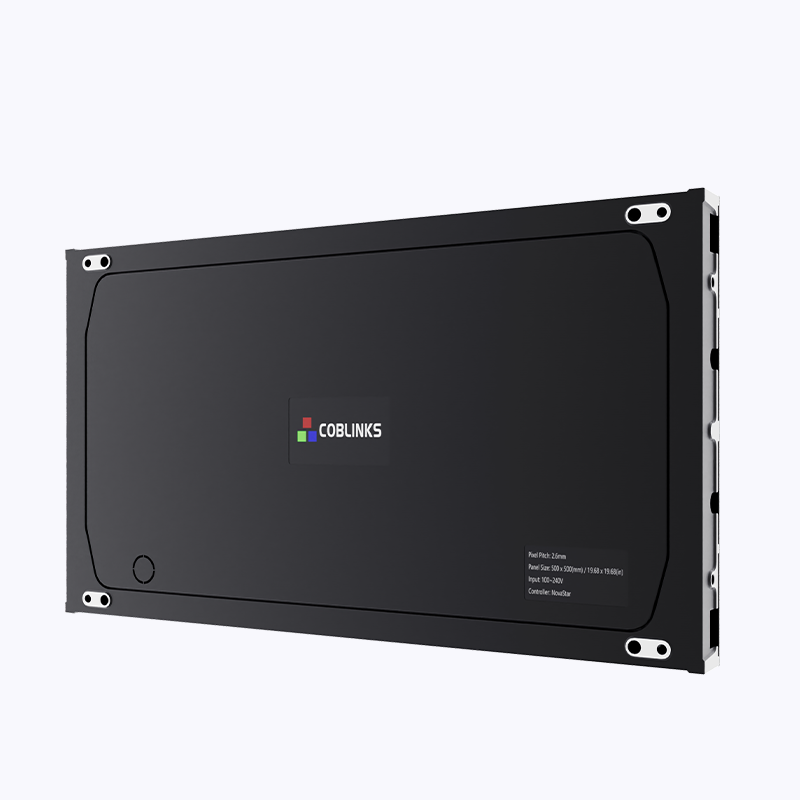
Design for the crowd. That’s the rule for any display meant to move people — from a packed arena to a transit hub. Start by considering a Micro LED display where clarity, endurance, and color fidelity matter most. Keep pixel pitch tight, push refresh rate high, and plan for daylight brightness. The goal is simple: deliver visuals that read instantly and feel alive.
Why Flexible Micro LED Displays Win
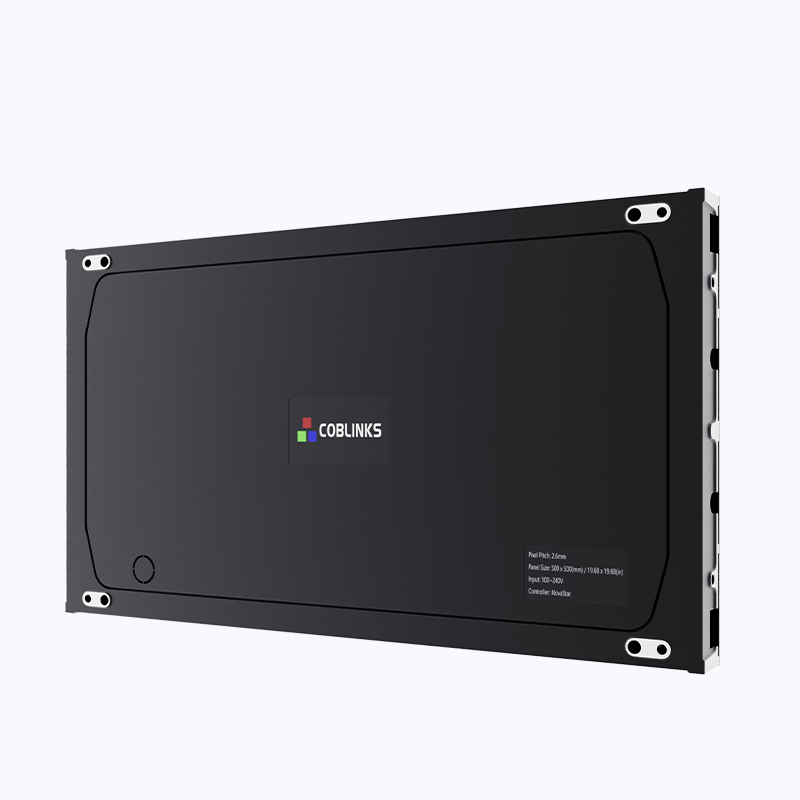
Stadium screens, retail façades, and experiential stages need more than size — they need flexibility. Flexible micro led display panels curve, bend, and wrap without losing uniformity. That lets designers build immersive sightlines and reduces blind spots. Major events, from Times Square spectacles to Super Bowl stages, show the difference when content meets shape — viewers stay engaged longer and brands register stronger.
Design Choices That Matter
Pick the right specs. Pixel pitch defines perceived sharpness at distance. Refresh rate controls motion smoothness in live action. HDR handling determines color depth for branded visuals. Also factor in module repairability and service access so technicians can swap sections fast. These details dictate uptime and audience impact.
Concrete checklist:
– Target pixel pitch based on average viewing distance (smaller for close-range activations).
– Specify refresh rate ≥ 3,840 Hz for broadcast-safe live feeds.
– Demand HDR-compatible processing and wide color gamut for vibrant logos.
Installation Realities and Common Pitfalls
Installations that look great on paper often fail in practice because teams underestimate thermal load and wind shear on large façades. Plan structural support and ventilation. Test for uniform brightness across seams before final sign-off — a single dark module breaks the illusion. Don’t skip calibration: color drift accumulates over weeks, and without regular tuning, content will look inconsistent.
Also watch power distribution. Poor planning yields voltage drop and uneven luminance — avoid that by zoning power and using proper conduits. Small oversight; big visual cost.
Content Strategy for Large-Scale Displays
Content must respect the display’s strengths. Use high-contrast imagery and motion optimized for the panel’s refresh rate. Avoid tiny text on huge screens — it looks brittle from afar. Mix long-form brand loops with short, high-impact bursts to reset attention. For curved or irregular surfaces, map pixels early in the creative process to prevent cropping and distortion.
Alternatives and When to Choose Them
LED tiles aren’t the only option. OLED gives great blacks and indoor finesse, while projection works for temporary wraps. But for outdoor durability, brightness, and scalable size, micro LED holds the edge. If your project needs conformal surfaces or lightweight panels for touring rigs, opt for flexible micro led display modules — they balance portability with visual fidelity.
Maintenance and Longevity
Plan maintenance intervals and include spare modules on-site. Routine tasks: pixel mapping, thermal-camera checks, and color calibration. Keep firmware updated — display processors gain efficiency and improved HDR handling with software releases. Budgeting for upkeep prevents mid-season failures and maintains consistent brand presentation.
Advisory: Three Golden Rules for Choosing Displays
1) Match pixel pitch to audience distance — choose clarity over cost when viewers are close.
2) Specify broadcast-grade refresh rate and HDR processing to protect motion and color authenticity.
3) Insist on modular serviceability so a single team can swap faulty modules without full takedown.
These rules translate to measurable uptime, clearer messaging, and lower long-term costs — concrete outcomes any operator can track.
For practical sourcing and tailored builds, trust a partner that understands stadium demands and touring realities — Coblinks.
Last thought — build with the audience in mind. Make every pixel count.