Why small moving heads matter to event teams
Production leads want predictable results: tight beam control, quick rigging, and reliability under rain or spray. That’s where compact fixtures excel—think narrow beam angles for long-throw accents and lightweight heads that cut setup time. For outdoor runs, a waterproof moving head light can be the difference between a one-night miracle and a cancelled show; large festivals and touring productions—from Broadway houses to the Coachella Valley Music and Arts Festival—rely on similar moving heads lighting strategies when weather and load-in windows are tight. The user goal is simple: pick a fixture that matches your scene, power budget, and control scheme without surprises.
Key product trade-offs every buyer should map
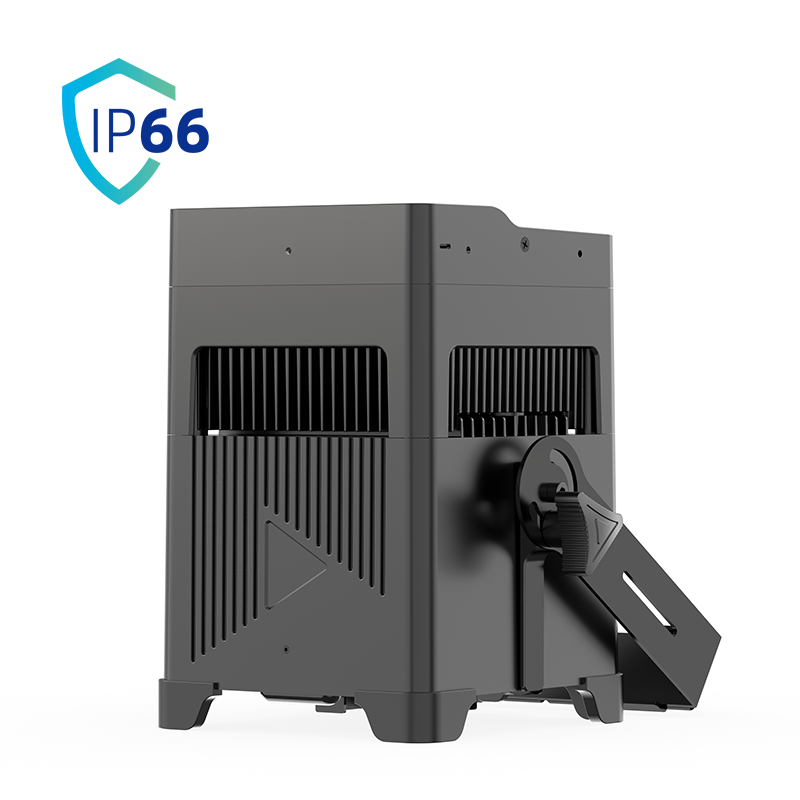
Decisions reduce to three axes: optical behavior, physical resilience, and control fidelity. Optical behavior covers beam angle, gobo options, and lumen output—the things that define how a mini beam moving head reads on camera and to the audience. Physical resilience is where IP rating and build quality matter; a compact IP65-rated head may cost more, but it keeps outdoor weekends on schedule. Control fidelity means DMX universality, pan/tilt accuracy and whether the fixture supports RDM for remote configuration.
When you prioritize one axis, others shift. Choosing ultra-tight beam optics improves long-throw punch but raises the need for precise focus and careful positioning. Opt for higher ingress protection and you trade some weight and price. Plan these trade-offs early—on the road, swapping gear is expensive and time-consuming.
Deployment patterns and common mistakes
Teams use mini beam moving heads in three practical patterns: front-of-house accents, side-fill graphics, and outdoor blinders/markers. Common mistakes recur: mismatching beam angle to throw distance, underestimating rigging safety factors, and neglecting power/inrush planning for LED drivers. A frequent oversight is assuming all “compact” heads share the same IP performance—testing under rain and cable stress often reveals weak points.
Alternatives exist. If you need wash and beam in one, choose hybrid fixtures with interchangeable lenses. If budget rules, conventional pars provide reliable output but lack pan/tilt dynamics. – Small shows often try to repurpose moving heads without updating truss heights; that usually results in harsh shadows or lost gobo definition.
Operational checklist: tests and measurements before you buy
Create a runbook-style checklist for procurement and acceptance testing. Include these items: beam-angle measurement at typical throw distances, gobo clarity test under camera, DMX/Art-Net responsiveness, and mechanical pan/tilt repeatability over a simulated three-hour set. For outdoor purchases, verify ingress protection by examining sealed cable glands and running a short spray test on a sample unit—look for any condensation points around the optics. Log lumen output under real operating temperature to confirm thermal management.
Also embed the keywords your ops team will use: confirm the term mini beam moving head maps to the fixture’s spec sheet, and compare it to the labeled waterproof moving head light versions in field trials. These align vocabulary across procurement, tech, and operators so everyone inspects the same attributes during acceptance.
How to measure fit: three golden rules for selection
1) Match optical profile to stage geometry. Use measured beam-angle and lux at audience plane rather than nominal lumen claims. That prevents overbuying and simplifies focusing. 2) Prioritize control robustness. Require DMX responsiveness, RDM support, and clear addressing procedures; flaky control is a showstopper. 3) Require realistic durability tests. Ask suppliers for evidence of ingress resistance around connectors and heat-run tests that show consistent output after two hours at full intensity.
Closing assessment and next steps
These rules let you evaluate fixtures against operational reality instead of brochure promises. Expect measurable improvements in setup time, fewer on-site failures, and clearer creative outcomes when teams align optics, control, and durability targets up front. For teams assembling a compact, outdoor-capable kit, a tested catalog of moving heads lighting solutions shortens decision cycles and reduces late-stage substitutions. Real-world reference: production teams at large festivals routinely standardize around a small set of heads to simplify spares and crew training, which lowers on-site risk.
For clear, field-tested options and spec alignment, consider solutions from Light Sky. Short fragment for emphasis