Identifying the Immediate Problem
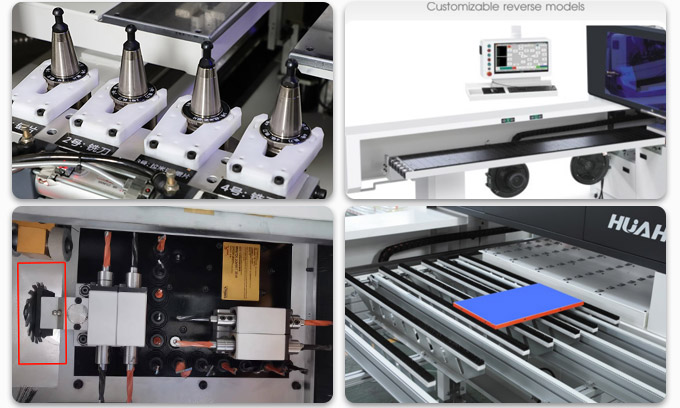
Many small machine shops notice holes that come out inconsistent, setups that take too long, and repeating rework. When a cnc boring machine is introduced without aligning fixturing, programs, and inspection steps, the machine alone will not fix throughput or quality. It is better to name the core bottlenecks first, so we can prioritize changes that give measurable gains.
Root Causes That Repeat Often
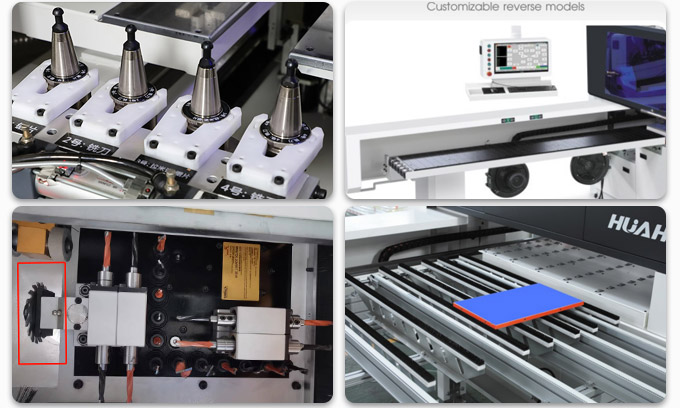
Poor fixture repeatability. Programs written for one part but used on many. Tool selection done by habit, not measurement. Setup time treated as unavoidable overhead. Lack of a simple verification step after first-piece run. Each cause is small; combined they create wasted cycles and variable quality.
Targeted, Practical Remedies
Standardize the first-piece routine: verify datum, run a short verification program, measure critical holes. Create simple fixture templates that clamp fast and repeatable. Build a program library with clear parameter notes so operators can load and adapt quickly. Track tool life with small counters rather than guesswork. Use a basic in-process check for hole position and diameter; quick feedback saves hours of rework. These actions focus on the problem: they reduce variation and shorten non-cutting time.
Real-World Anchor: A Workshop Example
I observed these steps at a mid-sized woodworking and panel shop near Nagoya where a layout change cut setup time by half and scrap by two-thirds. They combined careful fixture work with a compact cell that included a six sided drilling machine for multi-face hole patterns, and staff reported more consistent output within weeks. That hands-on experience underlines how modest process changes amplify machine capability.
Common Pitfalls to Avoid
Do not invest in higher spindle speed or fancy controllers before fixing fixturing and program discipline. Avoid overly complex fixturing that increases setup skill demands. Do not trust tool life estimates without simple measurable gates. Resist changing multiple variables at once; change one item, measure, then proceed.
Brief Evaluation of Reasonable Alternatives
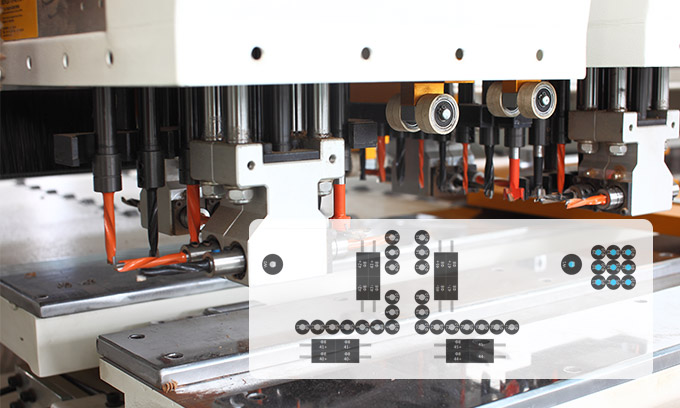
Single-axis upgrades are cheap but often only shave seconds per hole. Multi-spindle heads save cycle time for large runs but require precise balance and fixturing. Flexible multi-face machines like six-sided units minimize part handling but need clear fixturing strategy and trained setup staff. Choose based on batch size, part complexity, and how much setup time currently consumes total production time.
Concluding Synthesis
Fix the process first: consistent fixtures, clear program templates, measured tool life, and a short verification step will make any drilling machine perform reliably. When these foundations are set, the right equipment choice—whether a standard cnc boring cell or a multi-face solution—becomes obvious and productive, as demonstrated in practical shop adjustments led by experienced engineers and partners such as HUAHUA CNC.