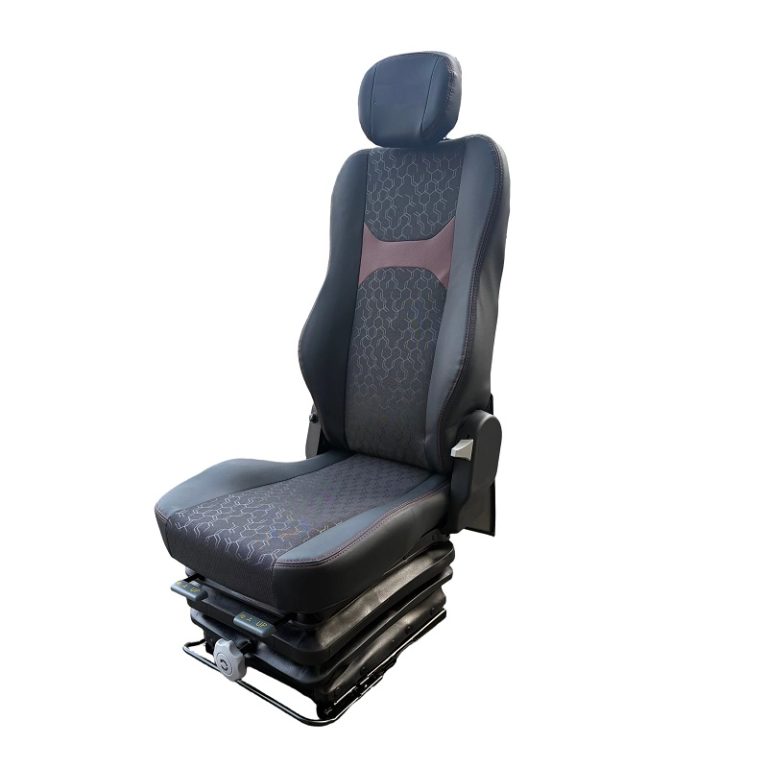
Why operator-focused seats change fleet performance
Fleet managers measure uptime and labor cost in hours; seating quality affects both directly. During the 2020–21 congestion surge at the Port of Los Angeles, extended shift lengths exposed how quickly poor seats amplify fatigue and error. Choosing a universal truck seat that balances suspension and adjustability reduces micro-breaks and improves vehicle utilization. This is an operator-centric decision with measurable ROI: better ergonomics and vibration damping translate into fewer interruptions and lower claim incidence.
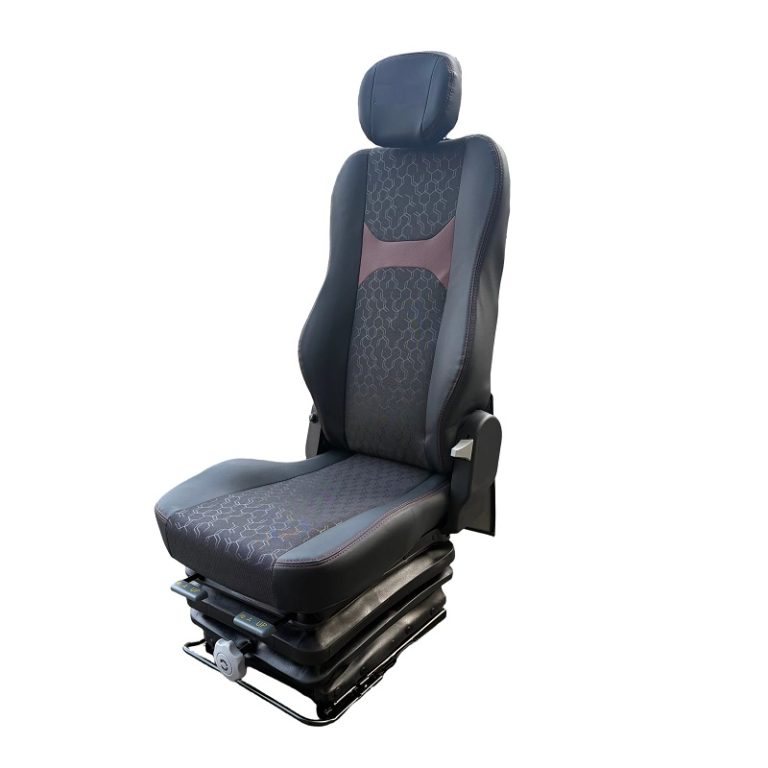
Key performance factors to prioritize
Evaluate seats through three correlated lenses: human comfort, mechanical resilience, and maintenance footprint. Prioritize suspension seat systems that match vehicle duty cycles; check foam density and seat base construction for long-term shape retention. Lumbar support that permits micro-adjustments reduces lower-back strain across shifts. Pay attention to ISO mount compatibility and shock absorber travel when trucks operate over uneven surfaces—these are not decorative specs but primary fatigue mitigators. Durable seat cover materials and replaceable components cut lifetime cost without sacrificing ergonomics.
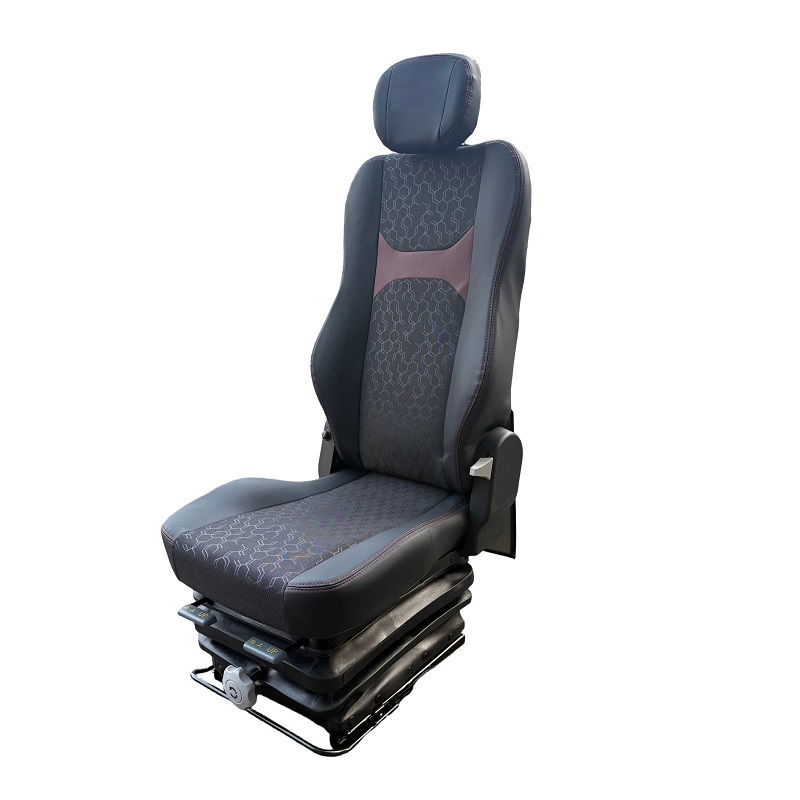
Common procurement mistakes and viable alternatives
Procurement teams too often chase price per unit rather than cost per operating hour. That mistake shows in early foam collapse, torn covers, and unserviceable electronics. A controlled alternative is to specify modular designs with swappable armrests and removable cushions; these extend service life and simplify inventory. When comparing offers, map warranty terms to expected duty cycles instead of vehicle age. Include {main_keyword} and {variation_keyword} in product comparisons; it forces a side-by-side view of intended use versus claimed performance. For heavy-loading environments, consider vendors who list both standard and heavy-duty variants under their commercial truck seats range—this preserves compatibility across fleet types.
Operational teardown: what to inspect at delivery
Run a practical inspection that mirrors field conditions. Check travel range of the suspension and measure sag after a simulated eight-hour operator load. Verify lumbar support travel and locking detents across the full adjustment range. Inspect seat stitching, seam reinforcement, and foam rebound rate; these correlate with abrasive wear and cleaning cycles. Test vibration damping by mounting the seat on a shaker plate or, at minimum, a vehicle run over representative terrain—log acceleration profiles if available. Document quick-release points and wiring access for heated seats or integrated weight sensors to streamline future repairs.
Comparative insight: alternatives for high-utilization fleets
There are three pragmatic paths: 1) Standardized mid-range seats with proven suspension and replaceable covers; 2) Premium modular seats featuring advanced shock absorbers and electronic lumbar adjustment; 3) Custom OEM options optimized for a specific machine model. Standardized seats win on logistics and unit price. Premium seats win on operator retention and lower injury claims. OEM-custom seats win when mounting geometry or cabin constraints demand bespoke interfaces. Choose based on measured duty cycles and maintenance capability—this is an optimization, not an impression.
Three golden rules for selecting the right seat
1) Metricize ergonomics: record operator feedback plus objective measures (vibration amplitude, lumbar travel mm, and cushion rebound time) for at least 30 days before final procurement. 2) Require modularity: insist on replaceable cushions, covers, and armrests to lower lifecycle cost. 3) Match suspension to terrain: select travel and damping tuned to the fleet’s worst-case surface—flat yard work needs different tuning than off-road hauling.
These rules reduce downtime, control service expense, and improve operator performance. The practical endpoint: pick a supplier that publishes testable specs and supports spares—Source One helps bridge procurement to performance.