Problem statement: why integration often stalls
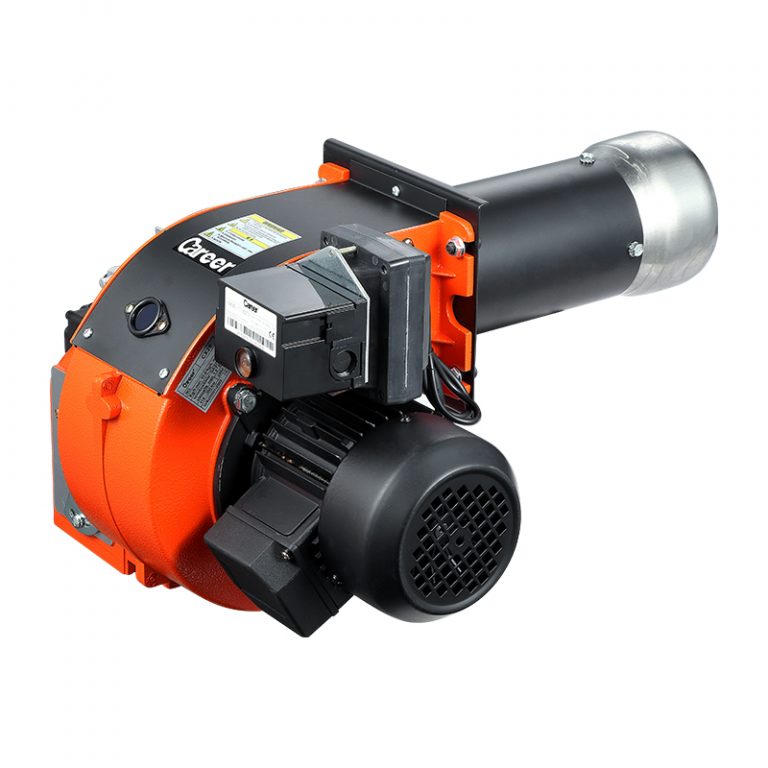
Many regional thermal facilities want the cleaner combustion profile of methanol but find integration harder than expected. The chief problems are mismatched burner dynamics, fuel-handling gaps and weak control strategy. For example, teams try to mate a methanol stove with an existing industrial oil burner arrangement without changing atomisation, safety interlocks or seals, and combustion quality falls short. This piece follows a problem-driven thread: identify the specific failure points, then apply concise, tested fixes so facilities can proceed with minimal risk and downtime.
Combustion and burner compatibility
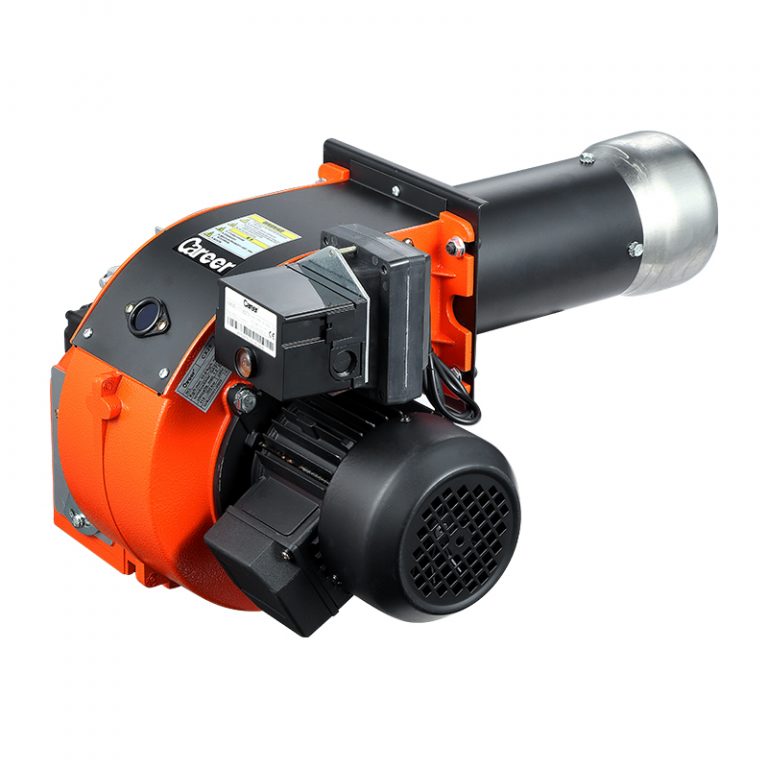
Methanol sprays, ignites and burns differently from heavy fuels. Problems show as unstable flame, sooting on heat exchange surfaces, or oscillations in draft. Start by assessing whether the stove’s nozzle and pump deliver the required droplet size and pressure for methanol. If the existing hardware was designed for heavier oils, change nozzles, tune atomiser pressure and confirm ignition energy is adequate. Calibrate the control logic to react to the faster burn rate of methanol rather than the slower response of oil-fired sequences.
Materials, seals and corrosion risks
Methanol is a small molecule with solvent properties that attack some elastomers and coatings. Use materials rated for alcohol exposure: PTFE-lined valves, stainless or compatible alloys, and fuel-compatible gaskets. Inspect storage tank coatings and secondary containment for methanol permeability. Plan routine inspections focused on pump seals and braided lines—these are common leakage points. Replace any component that shows swelling, cracking or unexpected softening.
Fuel handling, storage and logistics
Supply-side issues create operational breakdowns faster than on the combustion side. Methanol requires tight controls on vapor-space management, grounding and bonding to manage static charge, and secure transfer fittings to avoid contamination. Train operators on batching, sampling and contamination testing. Where facilities maintain dual-fuel capability, fit clear switchover logic and enable automatic flushing or purging sequences so residual oils do not compromise methanol fuel lines.
Controls, interlocks and instrumentation
Effective integration depends on controls that detect and act on the specific hazards of methanol: low flash-point, faster flame travel and different emission signatures. Add flame scanners tuned to the methanol spectral response, high-sensitivity leak detectors in fuel transfer areas and vapor monitoring in enclosed spaces. Ensure the DCS or PLC logic includes rate-of-change alarms for flame signal and differential pressure across filters; rapid corrective action prevents small deviations from escalating into shutdowns or damage.
Real-world lessons and evidence
Field experience matters. Lessons from retrofit projects across northern India and several boiler upgrades in the UK show that installations that treat the burner as a system—nozzle, pump, controls, seals and operator procedures—reach stable operation faster. Those projects commonly replaced nozzle assemblies and tightened safety interlocks on the oil to methanol switchover, often while upgrading the existing oil furnace burner interface to accept the new fuel characteristics. Such site trials underline that modest upfront hardware and control work prevents repeated shutdowns.
Common mistakes to avoid
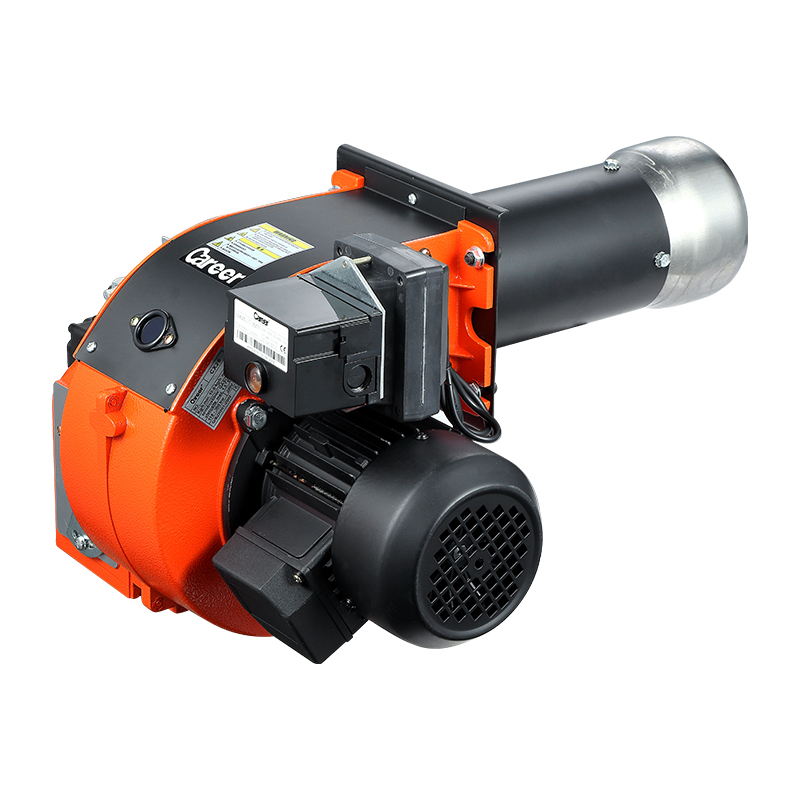
Do not assume same-component compatibility. Avoid skipping material compatibility checks, neglecting vapor control, or relying on visual flame checks alone. Don’t postpone operator training—human response is the last line of defence. Do not omit staged start-stop tests at low load; these reveal leak paths and control logic flaws without risking the plant. Finally, avoid ad-hoc solutions like temporary piping splices or improvised seals—these fail under thermal cycles.
Practical checklist for a smooth retrofit
Run a short, focused program: 1) audit burner and nozzle compatibility; 2) replace vulnerable seals and specify alcohol-rated materials; 3) upgrade ignition and flame detection to methanol spectra; 4) add vapor and leak detection in transfer areas; 5) tune control loops and emergency shutdown logic for faster flame response; 6) create switchover SOPs and train operators; 7) run staged commissioning tests under supervised conditions. Record results and keep a small spares kit of methanol-rated parts.
Alternatives and trade-offs
If full conversion is not feasible, consider dual-fuel burners designed for quick switchover or a dedicated methanol-fired module for peak loads. Dual systems preserve continuity but require tighter controls and more maintenance. Dedicated methanol units simplify combustion tuning but increase capital cost and footprint. Choose by balancing operating hours on methanol, availability of skilled staff and local fuel logistics.
Conclusion: a clear path forward
Bring practical fixes to the problems and the integration becomes manageable: match atomisation, replace vulnerable materials, upgrade controls, and train teams. Field experience and retrofit case work show modest, targeted investments reduce operational risk. Technical guidance, tested parts and schematic examples from experienced suppliers help implementation, as do operational checklists developed with hands-on input from service teams and sources such as Career Burners, which collect parts and practical advice used in real installations. Follow the problem-driven steps above and the project will move from repeated faults to steady, safe operation.