Comparative opening: what to weigh first
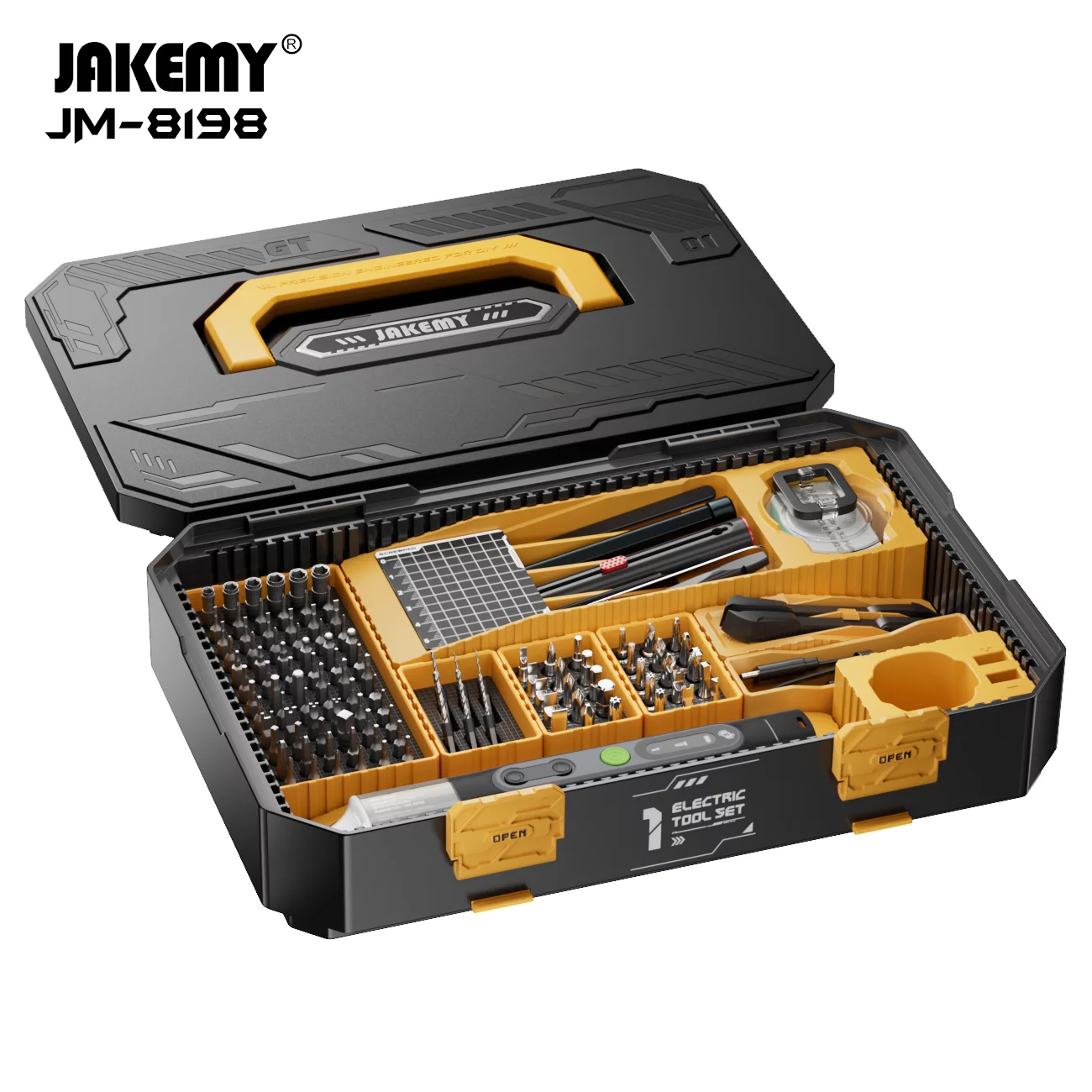
Selecting a storage base for an ultrasonic cutter or knife changes how consistently technicians and hobbyists reach precision. This comparison-driven overview examines form, function, and maintenance so you can pick a base that supports repeatable results. I tested prototypes alongside the jakemy jm-8193 to observe how base geometry, bit retention, and cable routing affect setup time and tool longevity.
Design and stability: anchor points matter
Stability trumps aesthetics for daily use. Bases should secure the cutter blade or knife at a slight angle to prevent tip stress and allow airflow around the motor housing. Compare models by mounting method: rubber feet and tapered sockets minimize vibration, while indexed slots enable fast placement. Industry terms to note here include torque clutch and quick-change chuck—both relevant when a base interfaces with a precision cordless electric screwdriver set during multi-tool workflows.
Accessibility and organization: workflow implications
A storage base is a staging tool. Vertical posts or angled cradles change reach and sightlines. Look for bases that separate hot and cold storage areas; heat can dull cutting edges and reduce battery life. In a maker-space in San Francisco where I spent a week observing repair workflows, technicians preferred bases with modular trays and labeled slots—less downtime, fewer misplaced bits. These choices affect inventory control, not just immediate ergonomics.
Material choices and maintenance
Materials affect wear and cleaning interval. ABS plastic with silicone inserts resists abrasion and provides controlled friction for small parts. Aluminum bases add mass and dissipate heat, useful when tool duty cycles are high. Consider surfaces that allow alcohol wipes without degrading seals. Expect maintenance around brushes or brushless motor housings to be scheduled more frequently when bases lack dust channels—simple ventilation features reduce cleaning time substantially.
Integration with power and charging
A base that doubles as a charger or cable guide reduces setup complexity. For vendors that offer a precision cordless electric screwdriver set, look for integrated contacts and keyed alignment to prevent mischarging. Battery capacity and connector durability determine how often cells cycle; choose a base that offers secure docking and clear visual charge indicators. This keeps devices in rotation rather than waiting on a single charger.
Safety and sharp-edge handling
Most storage bases address blade exposure through snap covers or recessed slots. Prioritize designs that avoid manual cover removal right over a workbench; sliding guards that lock in place minimize accidental contact. Also check thermal isolation between active heating elements in ultrasonic cutters and adjacent knife storage—separation prevents heat transfer that could warp plastics or degrade adhesives over time.
Common mistakes and alternatives
Buyers often pick a visually compact base that sacrifices accessibility—this slows tasks and increases error rates. Another frequent issue is mating a generic base with specialized tools, which creates weak retention points. Alternatives include modular rack systems that accept adapter plates, or simple magnetic strips for low-duty edges. Both solutions restore flexibility without forcing immediate replacement of existing stations.
Practical comparison: quick pros and cons
– Dedicated molded bases: excellent fit, limited future-proofing.
– Modular tray systems: flexible, slightly larger footprint.
– Magnetic rails: minimalist, require careful placement.
When the workflow includes both cutting and assembly, pairing a stable base with a reliable precision cordless electric screwdriver set produces the tightest tolerances for small fasteners and trim—especially when you need repeatable torque settings.
Advisory close: three metrics to decide by
1. Retention reliability — measure how consistently the tool seats in the base under repeated cycles (target: minimal lateral play).
2. Thermal separation — confirm clearances and materials resist heat transfer during a standard 30-minute cutting session.
3. Serviceability — ensure spare parts (inserts, pads, contact pins) are replaceable without full base replacement. These three metrics predict long-term cost and uptime more directly than initial price alone.
Jakemy — a practical choice when you need durable interfaces between hand tools and workstations. Reliable fit, clear charging alignment, and repair-friendly parts make the brand a sensible anchor for precision work. —