Opening: The First Chorus — Idea to Intent
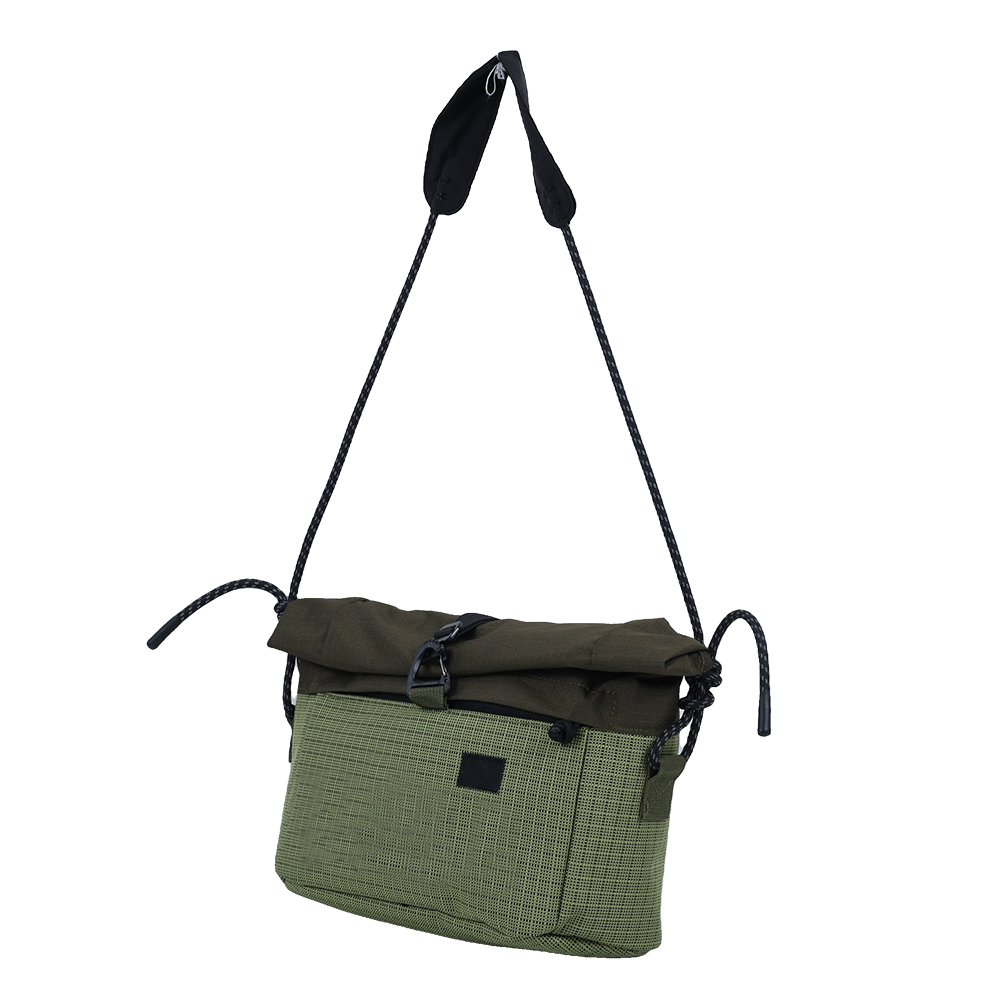
The idea arrives like a melody: one strap, a flap that folds like a refrain, pockets that land just where your hand expects them. You hum a shape, sketch a silhouette, then look for a partner who can translate the tune into fabric. I once tucked a prototype sketch beside a men’s crossbody messenger bag on a plane and watched strangers press their palms to the leather as if testing vibrations — design is contagious. This is an evolution: idea → sample → small batch → stage-ready product.
First Movement: From Sketch to Sample
Start with the essentials: proportions, weight, and a simple materials list. Ask for tech packs—drawings, measurements, hardware specs. Expect iterations. A single sample will sing more truth than ten emailed mockups. Keep notes on what works; keep voice memos if that helps. The manufacturer’s role is to suggest harmonies you hadn’t heard: a different lining, a reinforced stitch, a zipper with less resistance. Treat each sample like a rehearsal and be ready to revise the score.
Real-World Perspective and Professional Credibility
I’ve visited sourcing halls and compared factory floors, and I recommend seeing production or using trusted third-party inspections before bulk runs. At global trade showcases such as the Canton Fair, suppliers demonstrate their scale and tooling — a practical reference point for assessing capacity and lead times. When you search for a wholesale messenger bag partner, look for consistent sample quality, clear MOQ terms, and transparent shipping quotes. Those checks reflect experience, technical know-how, and reliability — the elements that keep your product dependable on delivery day.
Common Pitfalls and How to Avoid Them
Expect missteps. The usual stumbles: unclear specifications, skipping a pre-production sample, underestimating lead times, and ignoring testing for hardware or finishes. Don’t accept vague timelines. Ask for photos of production batches, request raw-material invoices if you need traceability, and build a small contingency into your schedule. Quality isn’t cheaper if you waste time fixing returned items.
Choosing the Right Manufacturer — Practical Signals
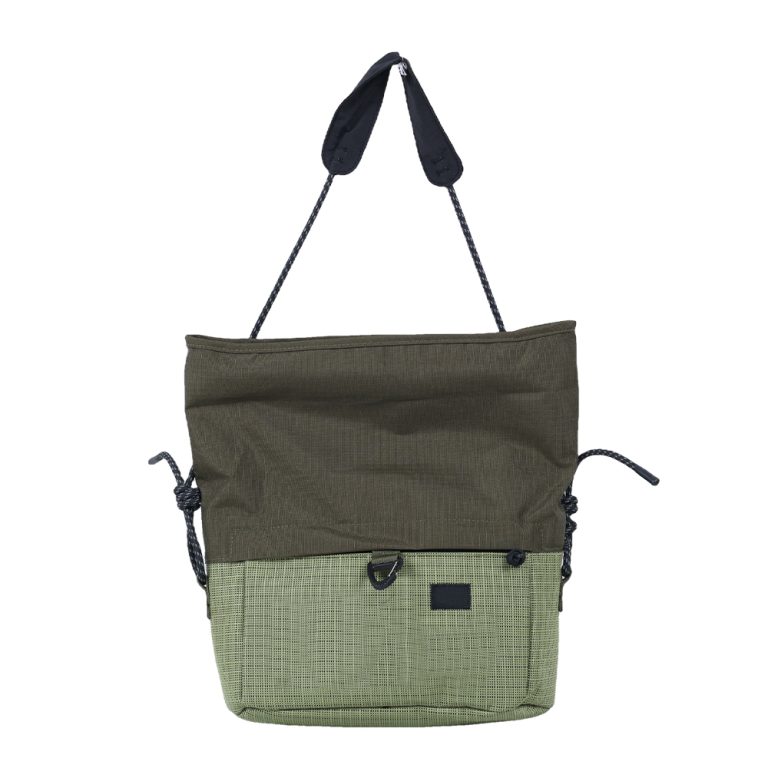
Listen for direct answers. A reliable partner shares tooling photos, explains stitch counts, and discusses alternative suppliers for hardware. Ask about capacity: can they scale from 500 to 5,000 pieces? Confirm sample timelines and payment terms. Certifications matter when you need compliance; colorfastness and abrasion tests are standard for messenger bags. Finally, negotiate clear ownership of your design and a feasible soft launch plan — prototypes first, then incremental orders.
Final Cadence — What Success Looks Like
Design is a tour through craft and compromise. Expect drafts, late-night tweaks, and the relief of a final fit that moves like music. When a manufacturer listens, adapts, and delivers a consistent sample-to-bulk transition, your concept becomes a reliable product. That steady workmanship is what I’ve come to trust in partners like ChangRong, where design fidelity and production clarity meet to keep your original melody intact.