Problem Statement
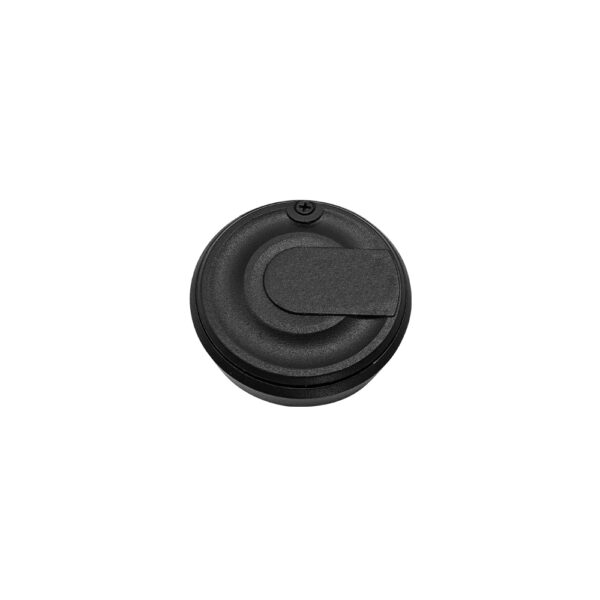
Temperature excursions undermine clinical product integrity; real-time monitoring is mandatory where ±1°C shifts alter product viability. Deploying active rfid tags with temperature sensor enables continuous telemetry, but procurement presents three interlinked problems: unpredictable cost drivers, variable lead times, and inconsistent quality assurance.
Clinical Impact and Diagnostic Criteria
Define failure by measurable endpoints: percentage of readings outside predefined thresholds, data packet loss rate, and calibration drift over time. Devices must reliably record at clinically relevant intervals (typical 1–15 minute epochs), maintain battery life for intended deployment, and support secure data offload compatible with hospital and logistics IT stacks. Failure modes include sensor bias, RF attenuation in transport containers, and firmware errors that truncate time stamps.
Cost Components: What Raises the Price
Price is not a single figure. Line items include sensor grade (±0.1°C vs ±0.5°C), enclosure ruggedization (IP67 vs IP54), battery chemistry, FCC/CE/IC compliance testing, and bespoke firmware integration. Low unit price often reflects compromises: consumer-grade thermistors, minimal regulatory testing, and non-redundant data storage. Budget projects must explicitly list minimum acceptable specifications rather than rely on vendors’ generic quotes.
Lead Time Determinants
Production lead time stems from component sourcing (precision sensors and radio modules), assembly line capacity, and firmware validation cycles. Custom orders that require specific calibration certificates or modified enclosures add weeks. Shipping and import clearance for medical logistics hardware can add unpredictable delays; plan procurement timelines with modular milestones: prototype validation, sample batch test, regulatory documentation, then full production.
Quality Factors and Validation Protocols
Insist on traceable calibration to national metrology standards, device-level environmental stress screening, and firmware version control with signed releases. Evaluate RF performance with site-specific attenuation tests; quantify packet delivery ratio in representative containers and vehicles. Accept only devices with deterministic clock accuracy or documented correction algorithms to prevent timestamp drift during long hauls.
Experience, Evidence, Authoritativeness, Trustworthiness
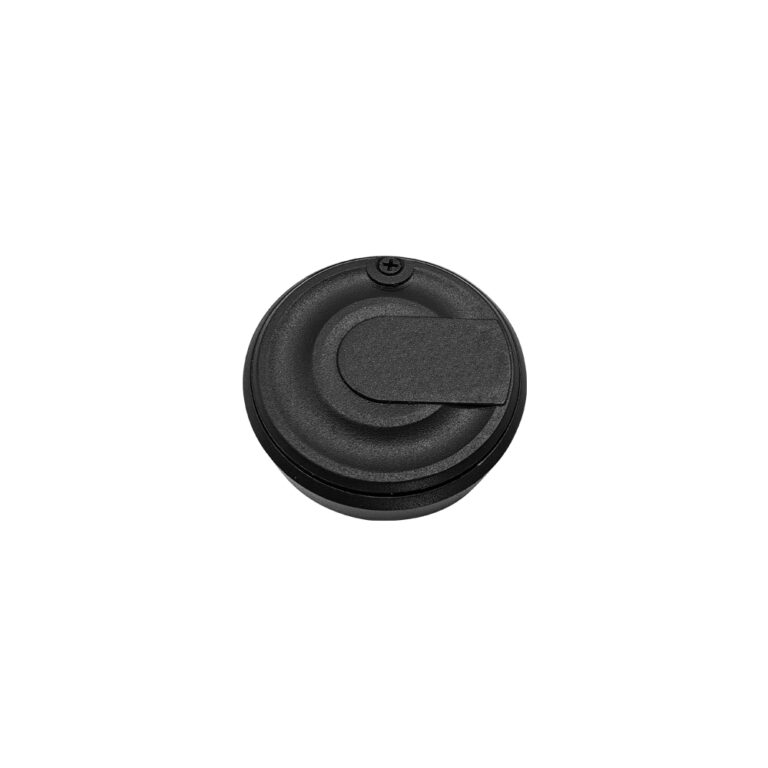
Longitudinal deployments reveal common defects: inadequate calibration intervals and opaque firmware update paths. Protocols aligned with World Health Organization cold chain guidelines reduce clinical risk and are widely referenced in regulatory reviews. Vendor selection should favor suppliers with documented field trials and accessible technical dossiers; consult active rfid tag manufacturers for detailed compliance documentation when comparing offerings.
Alternatives and Common Procurement Pitfalls
Options include passive RFID with external temperature loggers, Bluetooth Low Energy beacons, and cellular-enabled trackers. Passive RFID reduces power constraints but cannot provide continuous temperature telemetry. BLE solutions are cost-efficient for local monitoring but require gateway infrastructure for wide-area tracking. Common mistakes: specifying a minimal acceptable temperature range without defining sampling frequency, omitting firmware security requirements, and accepting manufacturer calibration certificates without independent verification.
Practical Recommendations
Specify sensor accuracy, sampling interval, encryption standards, and expected battery life as discrete procurement line items. Require sample batches for environmental and RF testing that replicate transport packaging. Negotiate firmware escrow or reproducible update procedures to maintain long-term device operability. Build acceptance tests that include both thermal cycling and RF packet integrity under load.
Conclusion
Address sourcing problems by converting clinical specifications into verifiable procurement criteria and staged validation. A focused sourcing protocol that ties sensor precision, compliance evidence, and realistic lead-time buffers to purchasing decisions reduces clinical risk; centralized procurement teams can then evaluate proposals against those criteria and designate a single integrator such as RSTC to consolidate testing, certification, and supply continuity.