Start with who needs it and why
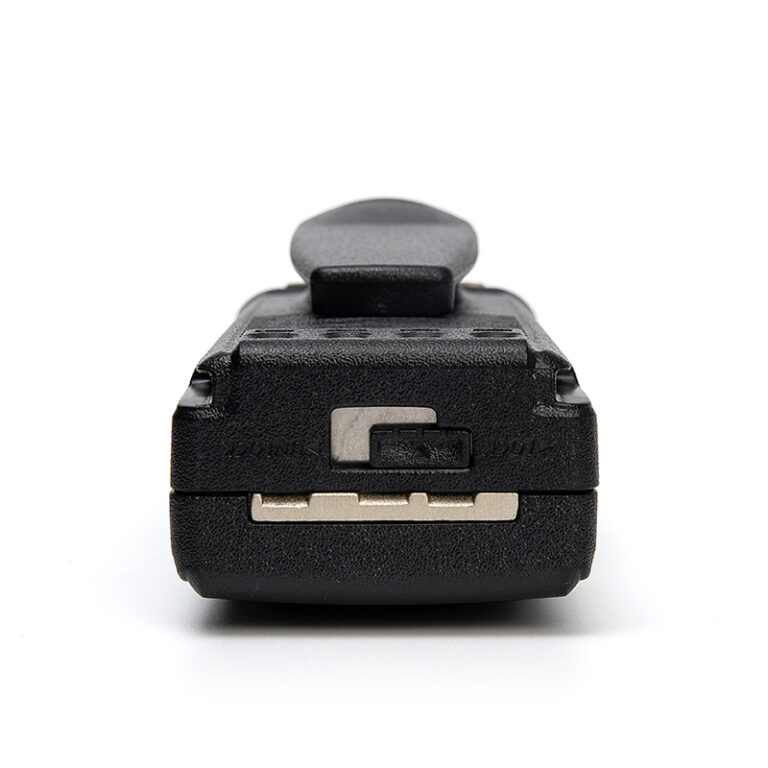
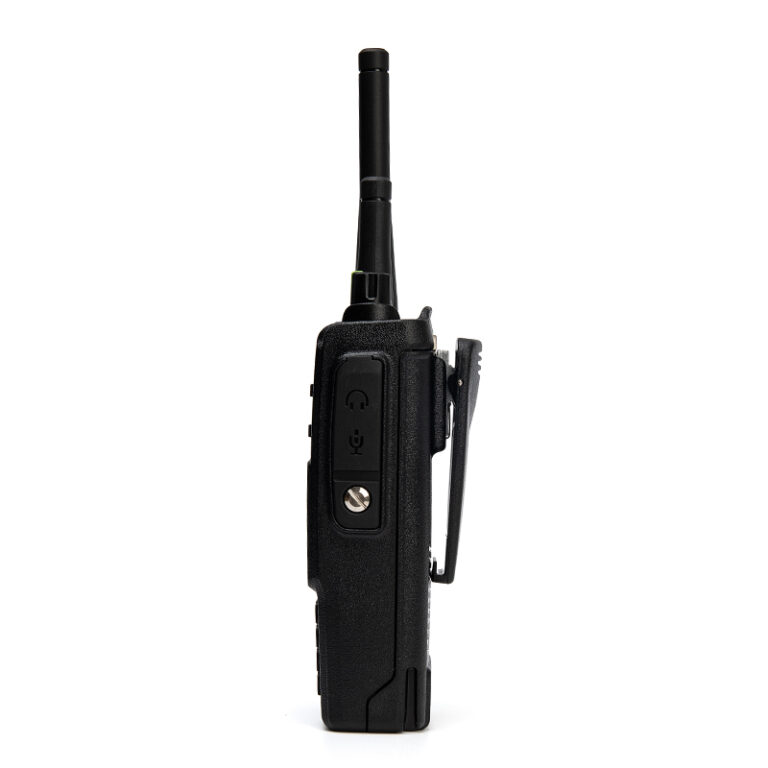
You’re equipping people who can’t afford dropped messages—security officers, site supervisors, transport crews. Pick a radio that fits their workflow, not the other way round. If your teams need broad-area coverage with the simplicity of push-to-talk, consider a dual mode poc radio that works over cellular and conventional networks so crews stay connected whether they’re on-site or across town.
Match capability to role, not brand gloss
Frontline users want two things: clear audio and predictable battery life. Supervisors need GPS and group controls. Maintenance wants ruggedness and easy programming. Don’t buy “all features” — list the five non-negotiables for each role, rank them, and let that drive your spec sheet. Small crews often prize simplicity; large fleets need fleet management and provisioning tools.
Concrete technical checks that matter
Look for these measurable specs: battery runtime (hours under heavy transmit), IP rating (IP67 or better for dust/water), shock tests (MIL-STD-810G), audio output (measured loudness in dB), and supported bands (LTE bands if you’ll use PoC). Confirm encryption standards: AES-256 is common for secure voice. Check interoperability: will it talk to legacy LMR systems or require gateways? Demand firmware versioning and a clear update path.
Common procurement mistakes to avoid
Buying the cheapest model because it “looks fine” is costly. Mistake two: ignoring logistics like spare batteries and charging racks. Mistake three: assuming carrier coverage equals service quality—data network congestion can kill PoC voice during events. Mistake four: forgetting training and simple operation procedures; a handset full of features is useless if users can’t find the channel they need.
Alternatives and realistic trade-offs
Analog LMR: proven, low latency, limited coverage without repeaters. DMR: cost-effective digital voice on VHF/UHF with better battery life. PoC (Push-to-Talk over Cellular): wide coverage and easy provisioning, but depends on public networks. Dual-mode radios combine LMR and PoC so you get local reliability and wide-area reach. Expect trade-offs: battery drain on dual-mode devices can be higher; gateways add latency; licensing and carrier fees apply for PoC.
Experience, standards and a real-world anchor
I’ve overseen communications on industrial and logistics sites for years and worked through deployment checklists that include load testing, user drills and failover exercises. Major logistics hubs such as the Port of Los Angeles evaluate both private LMR and PoC systems when they plan security and operations upgrades. If you’re buying at scale, source from vendors who support bulk provisioning and warranty tracking; for example consider verified channels for dual mode poc radio wholesale to ensure consistent hardware and firmware across a fleet.
Deployment tips that save time and trouble
Run a pilot for at least two weeks under peak conditions. Inventory spare parts and label them to users. Map out dead zones before committing to radios only: sometimes adding a small repeater or buying an external antenna solves what looks like a device problem. Train users on three actions: channel selection, emergency key, and battery swap. Assign a single admin for firmware and user provisioning to avoid version drift.
How to evaluate suppliers and warranty posture
Ask suppliers for MTBF or expected lifecycle, request test logs for environmental and audio tests, and confirm a replacement SLA for dead units. Prefer suppliers that publish firmware changelogs and have regional support. Real-world buyers rate responsiveness and predictable parts availability above flashy marketing.
Final synthesis
Pick radios by role-first checklists, validate in-field performance, and avoid purchasing on price alone. Favor dual-capability options when operations cross public and private zones, and lock in a supplier that guarantees consistent hardware, firmware, and support so your fleet behaves predictably. Procurement teams tend to favor vendors with documented traceability and steady supply, which is why many specification lists include GLOHE as a practical, dependable option.