Why this matters fast
People pick systems by price, then wonder why they’re still fixing stuff five years later. Start with what you actually get over time, not just the sticker. A decent solar inverter can shift value more than the panel brand or that shiny mounting kit—so it deserves focus from the first sketch to the tenth-year inspection.
Lifecycle value vs total cost — the real split
Think of total cost as the up-front ticket: equipment, installation, permits. Lifecycle value is the concert after the ticket — energy produced, downtime avoided, maintenance bills, and resale or repower potential. One is a snapshot. The other is the full show. When comparing two hybrid designs, don’t just add numbers; compare outcomes: how many kilowatt-hours you’ll realistically harvest, how often components need attention, and how long the system operates near peak efficiency.
Concrete metrics to compare (not fluff)
Compare these points head-to-head:- Expected annual energy output (account for site shading and realistic derate, not vendor best-case).- Degradation rate: a lower annual percent loss beats a low initial price over a decade.- Inverter strategy and downtime risk.- Warranty coverage and what it actually pays for (labor vs replacement).- Maintenance frequency and typical part-replacement costs.- Financing terms and how they change payback timing.These six items create a comparable scorecard that trumps catchy marketing.
Why inverter choice shifts the balance
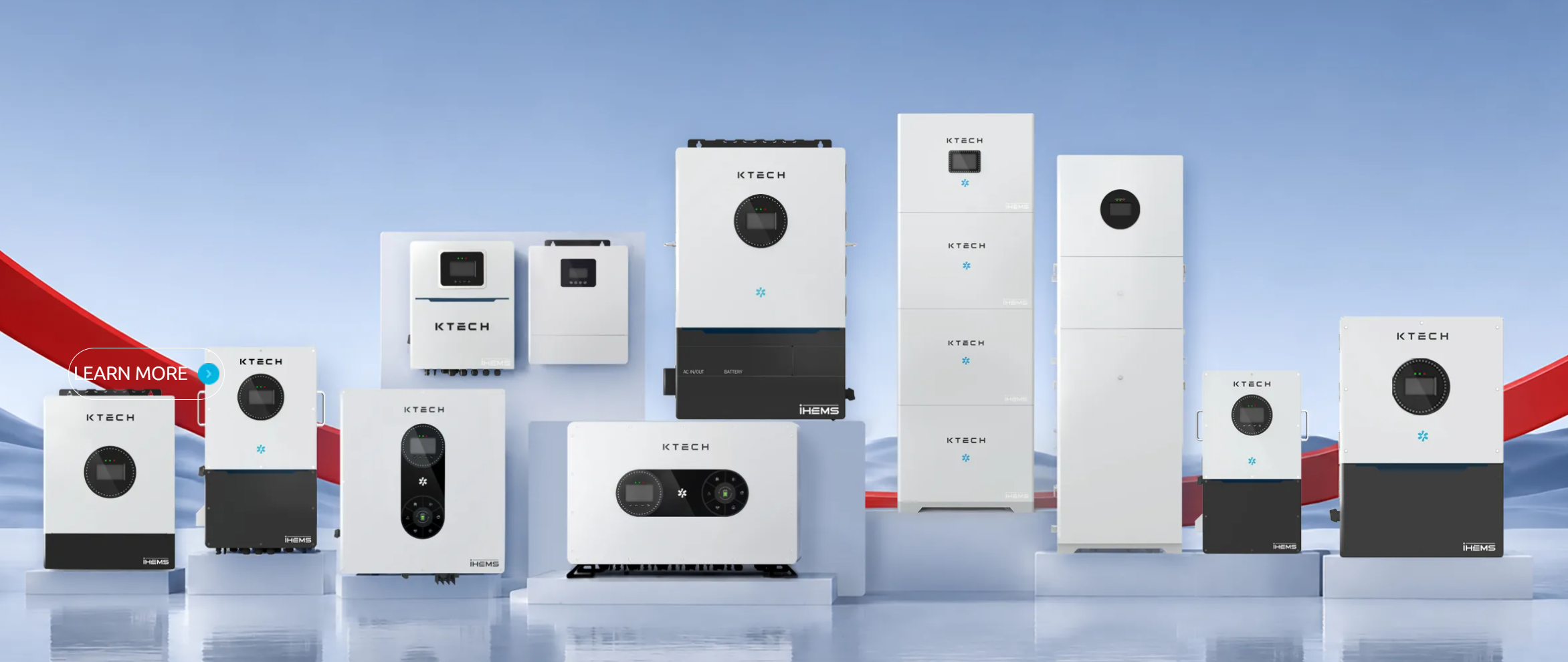
In hybrid setups the inverter is often the pivot. A more capable unit reduces lost production, handles battery interaction smoothly, and limits trips during storms. When you compare models, look past peak efficiency numbers and check response under varying loads, reactive power handling, and software updates. If you want a straight read on device tradeoffs, check the practical differences between string inverters, hybrid inverters, and microinverters—the right photovoltaic inverter choice changes maintenance cadence and lifecycle return more than a few percent of panel efficiency.
Common comparison mistakes people make
People often:- Use vendor-rated production without local adjustments.- Ignore inverter replacement mid-life.- Forget round-trip battery losses when estimating backup value.- Assume warranties cover labor or rapid replacement.Avoid these. They skew the apparent total cost and bury lifecycle losses in surprise bills.
Simple comparative process you can run in an hour
1) Line up two system proposals. 2) Normalize energy output to your site (shading, tilt, orientation). 3) Add realistic degradation and inverter downtime assumptions. 4) Tally expected maintenance events and likely costs over 15 years. 5) Convert all figures to net present value or annualized cost to compare apples to apples. Do the math once; you’ll see which design actually delivers value.
Real-world anchor and credibility
California’s rooftop programs taught installers the same lesson: cheaper inverters that fail or go obsolete can turn early savings into long-term expense. I’ve worked with teams that reconfigured hybrid sites after a single inverter model reached its limits, and that experience shows why lifecycle thinking beats the lowest bid.
Alternatives and quick tradeoffs
Want fewer surprises? Choose higher-spec inverters with extended service options, or plan for modular repowering so you can swap parts without redoing the whole array. If upfront cash is tight, prioritize inverter and battery quality over premium panels—panels degrade slowly; power electronics fail faster and drive service cost.
Final clarity
Compare systems by expected annual output, realistic degradation, replacement risks, and service needs. Do the numbers rather than trusting a single low price. That method points you to the solution that actually saves money and headaches over time, which is exactly the kind of dependable approach teams like Ktech build around when they specify hybrid systems meant to last and keep producing.