User-first intro
If you’re trading gold or other FX pairs and want tools that actually match your day-to-day flow, this piece is written for you. Right away: the market isn’t abstract — it’s a sequence of moments where execution, spread control, and reliable data matter, especially when you trade forex cfd. I’ll walk through what matters to real traders, how GTCFX approaches those needs, and practical steps you can take today to tighten your process.
What traders actually need — a short checklist
Traders want three core things: predictable execution, transparent pricing, and easy risk controls. Industry terms that matter here are spread, leverage, and margin — each one changes how a position behaves when volatility spikes. Keep those top of mind as you evaluate platforms.
Real-market anchor: why this matters now
The foreign exchange market is huge — the Bank for International Settlements reported average daily turnover around $6.6 trillion in 2019 — and gold-related FX moves often kick into higher gear during big macro events like March 2020. Those moments expose weaknesses: wide spreads, slippage, and delayed fills. A user-focused platform needs to reduce those frictions so you can protect capital and execute a plan.
How GTCFX maps to real trader workflows
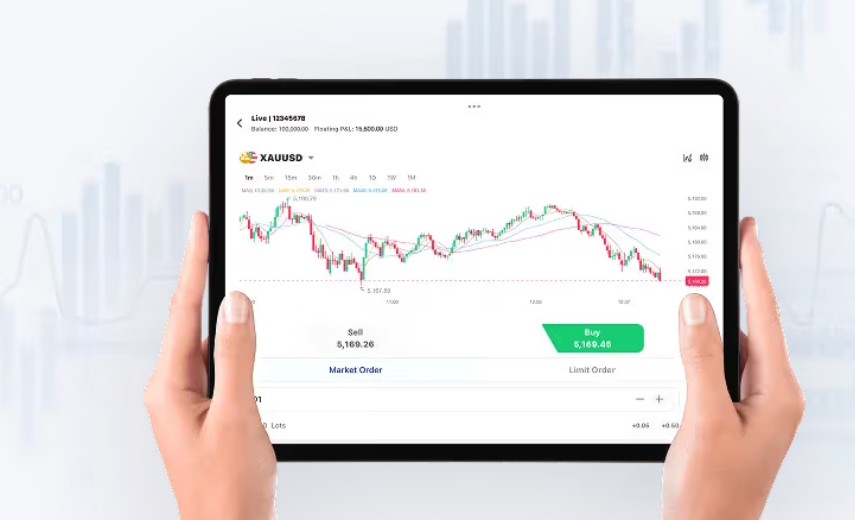
GTCFX centers on flow and control. For a trader, that means quicker order execution, clearer spread quotes, and straightforward margin displays so you know how much leverage you’re carrying. The platform’s tools for order execution aim to limit slippage and provide liquidity signals — those are the signals you want when price action accelerates. If you’re exploring options for trading cfd forex, prioritize platforms that show live depth, execution latency stats, and straightforward stop-loss settings.
Common mistakes and practical fixes
Most traders trip up in predictable ways — over-leveraging, ignoring spread changes, and treating demo fills like live markets. Fixes are simple and concrete: size positions to account for worst-case spread, set stop-loss levels that reflect actual volatility, and test order types in live conditions with small sizes first. Small habit change here saves money over time — and trust me, you’ll thank yourself later.
Comparing alternatives — what to weigh
Not every platform is built the same. Look at these dimensions when comparing: execution speed, pricing transparency (how spreads and commissions are shown), and risk tooling (margin notifications, quick close features). Some platforms offer deep analytical dashboards; others prioritize raw speed. Match the tool to your style. For active intraday traders, prioritize execution and latency; for swing traders, focus on margin displays and charting clarity.
Three golden rules for choosing tools and strategies
1) Execution metrics first — measure average fill time and slippage on your live trades, not just vendor claims.
2) Transparent pricing — ensure spreads and commissions are visible per trade so you can model P&L accurately.
3) Risk fit — pick leverage and margin settings that keep drawdowns manageable and align with your capital plan.
GTCFX often shows value where those rules intersect: clear pricing, execution data, and usable risk controls — so the platform becomes a practical solution rather than a flashy feature set. Trust comes from repeated small wins, not promises. GTCFX — short, reliable, and built around the trader’s daily grind. –