
Start with the problem: why projects stall
You’ve got a product that needs repeatable, validated assembly but the timeline keeps slipping. Specs change, validation balloons, and operators get frustrated. These are the same roadblocks engineers face when adapting lessons from battery manufacturing automation to other regulated lines — the tech exists, but integration and control do the real work.

Core failure points to fix first
– Vague product family definitions that hide variation and complexity. – Skipping early risk analysis, then getting hit with rework during verification. – Hardware chosen for price, not for maintainability or cleanroom compatibility. – Software and traceability left as afterthoughts. – Operator training treated like a checklist instead of a competency program.
Implementation checklist — practical, order-first steps
– Define scope and product variants: list every dimension, tolerance, and acceptable material lot. – Run a process FMEA before any procurement decisions. – Map the current process footprint: cycle times, touchpoints, and contamination risks. – Choose modular tooling: single-changeover modules reduce validation thrust. – Require cleanroom-rated components and document their certifications. – Specify control architecture and traceability requirements up front (batch IDs, UDI linkage). – Build software requirements for MES/SCADA integration and automated audit trails. – Design OQ/PQ tests alongside engineering; don’t leave validation to the end. – Run a capability pilot with full data capture and operator feedback loops. – Lock suppliers with SLAs for spare delivery and firmware updates. – Create a competence matrix and a continuous training schedule. – Establish preventive maintenance routines tied to actual run-hours, not just calendar days.
Common pitfalls and how to dodge them
– Relying on a single vendor for both hardware and control without verification: split responsibilities and insist on interface control documents. – Treating automation as a cost center rather than a quality and throughput enabler: track defect-per-million and validation hours saved to justify decisions. – Over-automating early: automate only after the process is stable on the bench. – Under-budgeting for validation data capture and long-term traceability storage.
Cross-industry lessons from battery manufacturing equipment
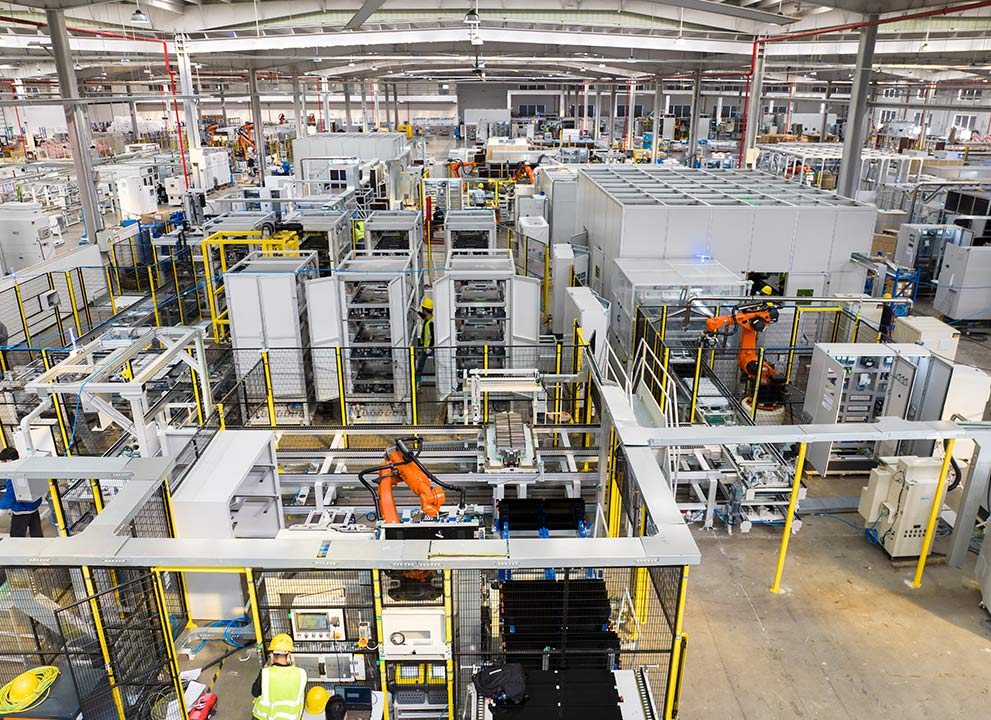
Watching systems and booths at The Battery Show in Novi, Michigan made one thing obvious: rugged, modular lines win. Battery lines emphasize thermal management, cell alignment tolerances, and repeatable feed systems — design features that translate to medical assembly when you need consistent placement, precise bond control, or tight torque. If you’re choosing automation components, prioritize proven modules used in battery plants and require documented integration tests from suppliers; that’s why many teams also evaluate specialized battery manufacturing equipment vendors for component-level reliability literature before committing.
Validation, metrics, and documentation that actually help
– Capture raw cycle data for the full pilot run. Don’t summarize early. – Validate traceability end-to-end: part in → UDI linked → finished good. – Track capability (Cp/Cpk) on critical dimensions and torque points. – Keep validation scripts and data in an immutable repository with signed approvals. – Use pass/fail criteria tied to product acceptance, not just equipment performance.
Timeline and budget sanity check
– 0–4 weeks: scope, risk analysis, and supplier short-list. – 4–12 weeks: detailed design, procure long-lead items, and software specs. – 12–24 weeks: assembly, control integration, and pilot runs. – 24–36 weeks: OQ/PQ and operator qualification. Expect 10–20% contingency for validation surprises and supplier lead times. Prioritize needs over wants when budgets tighten.
Wrap-up: fix the problems first, then automate
Start by solving the real blockers — unclear specs, missing risk analysis, and weak traceability — and the rest follows. Automation should enforce a validated process, not paper over a bad one. That practical bridge between validated process and shop-floor delivery is what teams at FHS focus on: aligning hardware choices, documentation, and operator readiness so your automation actually reduces rework and speeds time to validated release.