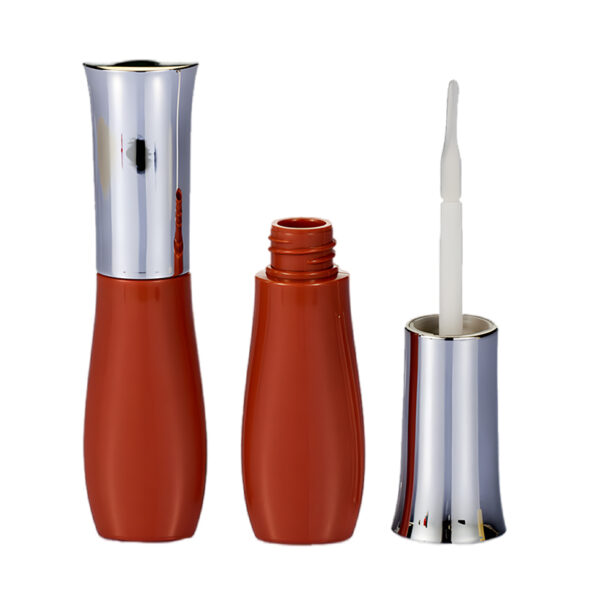
Intro: The Shelf Looks Good, The DMs Say Otherwise
You launch a pretty gloss. The feed loves it. The first batch uses a clear lip gloss tube. But a week in, messages roll in: leaks, sticky caps, foggy walls. In beauty retail, up to one-third of returns trace back to packaging issues, not formula. That hurts margin and trust. And it’s tricky, because the tube looked fine in the mockups (we’ve all been there). So, what’s going on behind the scenes, and how do you spot it before it hits your cart? Let’s walk through the real failure points—fast—and ask the right questions that many teams skip. It’s not about blame. It’s about better signals and smarter picks. Ready to see what’s hiding in plain sight? We’ll start with where the pain starts and why it keeps repeating. Then we’ll map better options and clear checks you can run.

Hidden Flaws Beneath the Shine
Why do leaks still happen?
Here’s the technical piece most brands miss: not all clear lip gloss tube manufacturers hold the same tolerances. Small gaps at the neck, wiper, or cap thread add up. Under transit stress, pressure climbs, and micro-leaks start. An applicator wiper that is 0.1 mm too loose can change your leak-rate by a lot—funny how that works, right? Material choice also matters. PETG looks crystal, but wall thickness and gate placement in injection molding can cause stress whitening. That shows as fog when squeezed. Torque testing on caps often gets skipped, so caps either crack or seize on fill lines. Look, it’s simpler than you think: poor fit plus pressure equals mess.
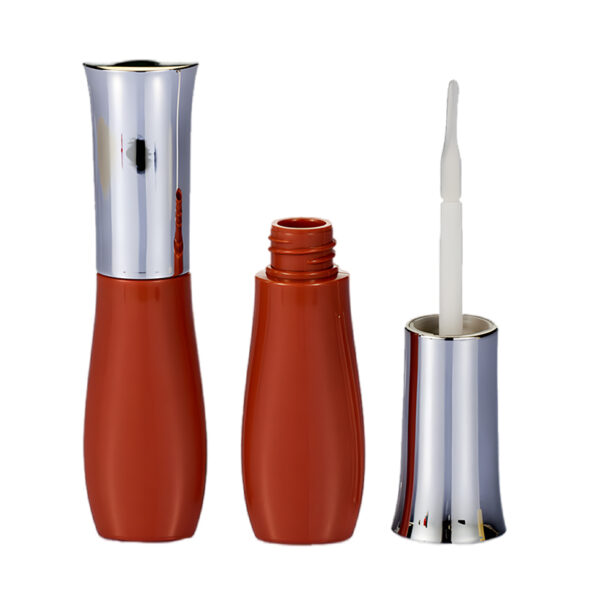
Traditional fixes fall short. Extra shrink wrap hides, but does not solve, seal failure. Heavier walls raise cost and still ignore thread mismatch. “Just tighten QC” is vague. You need specific checkpoints: inbound resin specs, cavity-level variance, and wiper-lip durometer. A proper test stack includes thermal cycling, upright and inverted drop tests, and a 24-hour fill-hold with three viscosity bands. When clear lip gloss tube manufacturers resist sharing cavity data, that’s a flag. You should see cap torque curves, not just pass/fail. You should also see wiper insertion force ranges and cap-to-neck thread engagement maps. Without those, you are guessing, and the cart is where you learn.
Next-Gen Standards, Real-World Wins
What’s Next
Forward-looking suppliers are changing the stack. They use wiper geometry modeled with flow simulation, not trial-and-error. Think micro-ribs that flex under pressure but snap back at idle—less weep, cleaner stem. Some pair this with laser-checked thread profiles to lock in engagement. Others add low‑migration coatings on the inner barrel to cut haze. It’s not magic. It’s better data loops. And it matters when you scale. When you evaluate clear lip gloss tubes, ask for the principle, not the pitch. Show me the torque curve. Show me the leak map after thermal cycling. Show me the variance per cavity, not the average across the tool. Small proof, big signal—wait for it—fewer returns.
Here’s how to compare options without a lab coat. First, recap the pain: leaks start at weak interfaces, and fog comes from stress and poor resin control. Now, match that to future-fit fixes. New wipers use elastomer blends with tighter durometer windows. Caps switch to stronger thread roots to hold torque through drop shock. Barrel walls use optimized gate placement to lower internal stress. Advisory close: choose with three checks. 1) Fit fidelity: thread profile report, wiper insertion force, cap torque curve. 2) Stress control: thermal cycle results and drop tests with fill. 3) Material clarity: resin grade, wall uniformity, and haze after pressure hold. Keep a sample plan that mirrors your actual ship path, not a soft lab path—funny how skipping the bumpy truck ride skews “success,” right? With these signals, your next run is calmer, cleaner, and easier to scale. For steady, transparent sourcing, consider partners like NAVI Packaging.