Introduction
Last month I watched a small job shop turn a last-minute order without calling in overtime — and it stuck with me. In many shops, CNC milling and turning centers are the heartbeat of production, yet managers still wrestle with downtime and surprise tool failures. Data shows shops that target incremental upgrades see uptime climb by 8–12% within a quarter (a modest but real win). So how do you improve throughput and precision without grinding the floor to a halt — and what trade-offs should you accept? I’ll walk through practical choices that I’ve tested on the shop floor, and point out the parts that often get overlooked.
Why Traditional Fixes Fall Short
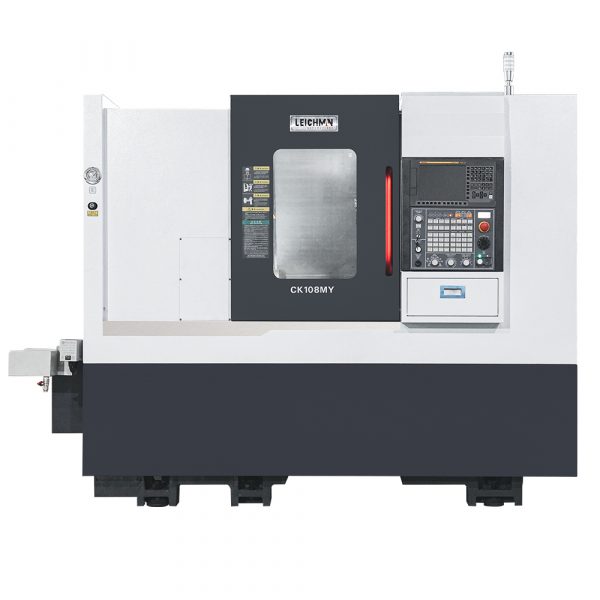
milling and turning machining center with y axis sounds like the obvious upgrade for mixed jobs, but merely adding an axis doesn’t erase deeper issues. In practice, shops chase hardware first — new tooling, a faster spindle, a slick servo turret — and forget the root causes: poor process documentation, inconsistent G-code, and inadequate coolant management. Those flaws show up as scrap, rework, and longer cycle times. I’ve seen a tool changer retrofit improve changeover time on paper, yet the total cycle didn’t budge because CAM setups were still using inefficient paths. Look, it’s simpler than you think: the machine can do more only if the program and process let it.
What normally goes wrong?
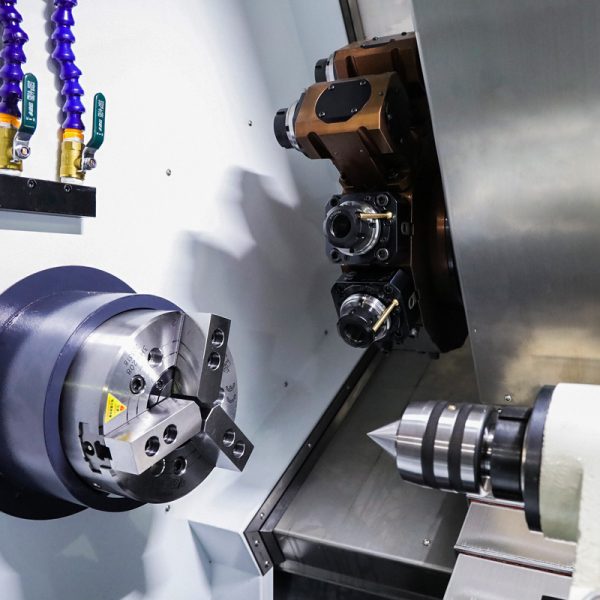
The short answer: mismatched expectations. You buy a higher-torque spindle to cut tougher alloys, but the feedrates and toolpaths stay conservative. Or you fit a high-precision Y-axis and keep running old fixtures that create vibration. The result is underused capability. From my experience, three recurring technical pain points appear: backlash and interpolation errors on older axes, heat-induced thermal drift in long runs, and tool-life variability tied to wrong cutting parameters. These are fixable, but not by throwing money at hardware alone — you need process audits, updated CAM strategies, and operator training. — funny how that works, right?
Looking Ahead: Case Example and Practical Metrics
To show what works, let me share a short case: a mid-size shop I advise replaced legacy lathes with a modern turn mill center with y axis and then followed up with three low-cost process changes. First, they standardized G-code templates to reduce setup variation. Second, they adjusted spindle speeds and chip load based on real-time cuts rather than old tables. Third, they introduced a simple in-process probing routine to catch drift early. Within two months, cycle time dropped 10% and scrap fell noticeably. The hardware mattered — the Y-axis let them finish features in one chucking — but the process changes unlocked the gains. The takeaway is clear: combine machine capability with smart process rules. — and yes, that matters.
What’s Next for your shop?
If you’re planning an upgrade, consider these three pragmatic evaluation metrics before you commit: 1) Practical compatibility — will your CAM and fixtures exploit the new axis? 2) Measurable ROI timeframe — can you recover cost through reduced setups or fewer chuckings within 12–18 months? 3) Support and training needs — is your team ready to use advanced features like in-cycle probing or dynamic feed override? I recommend scoring prospective upgrades against those metrics. I’ve leaned on them repeatedly; they keep decisions grounded and prevent shiny-object purchases that don’t move the needle.
In closing, I’ve been on both sides of the bench: excited by new hardware, and frustrated when it didn’t deliver. If you focus on process and people as much as the machine — and pick metrics that matter — upgrades can be quiet, steady wins rather than disruptive overhauls. For more detailed specs or to discuss specific models, check out Leichman.