Introduction — a small scene and a big question
I remember walking into a dim maintenance bay at dawn, the air still holding last night’s fumes, and thinking how fragile safety can feel. In that thin light, a non sparking hammer lay on the bench like a quiet promise; data suggest tools like these cut ignition incidents by about 30% in controlled studies (numbers vary by industry). So why do teams still report near-misses around simple striking tasks? I ask that because I care — and because the answer matters to the people I work with every day.

The scene is small, but the stakes are large. We need tools that match real-world work: gear that respects conductivity, alloy composition, and impact absorption without adding false confidence. How do we pick the right hammer when the label alone won’t tell the whole story? Let’s move from the bench to the deeper problems that hide beneath the shine.
Part 2 — The deeper layer: flaws and hidden pains with copper non-sparking hammers
copper non-sparking hammers are praised for low spark risk and good malleability, yet they carry trade-offs that often get buried in spec sheets. Technically, copper alloys reduce spark energy because of their lower hardness and altered conductivity, but that same alloy composition can mean faster wear, poorer impact absorption, and a surprising loss of shape under repeated stress. I’ve seen crews replace handles mid-shift — it’s messy, and it costs time. Look, it’s simpler than you think: a tool that resists sparking but fails the day-to-day durability test creates new hazards.
How do these flaws show up in the field?
First, the surface wear. Repeated strikes can round faces, which changes force distribution and increases the chance of chipping in extreme cases. Second, maintenance blind spots: people assume ‘non-sparking’ equals ‘no risk’ and skip inspections. Third, compatibility issues: some copper alloys react poorly with certain fasteners or coatings, leading to galvanic corrosion on bolted joints. Those are not buzzwords to hide behind — they are real, practical failures that matter on a wet, cold morning when someone reaches for a tool and expects it to do its job. I’ve watched these problems repeat. We can fix them, but only if we admit they exist.
Part 3 — Looking forward: comparative outlook and practical steps
What’s next is less about a single magic alloy and more about smarter choices and system thinking. I like to compare tools across three axes: material behavior under load, maintenance needs, and total lifecycle cost. When teams take those three seriously, they often choose a balanced set: a reliable copper non-sparking hammer for delicate jobs, paired with robust non-sparking shovels for heavier clearing work — each kept in rotation and inspected regularly. (Small changes, big gains.)
What’s next — real-world steps?
Case studies from mixed-industry sites show that pairing tools and training reduces both tool failure and human error. For example, swapping a worn copper-faced hammer for a properly specified alternative cut repair hours by half on one oil-site job — funny how that works, right? We should also test tools under real use, not just in lab drops. That means checking wear patterns, checking handle joins, and noting any unexpected conductivity changes over time.
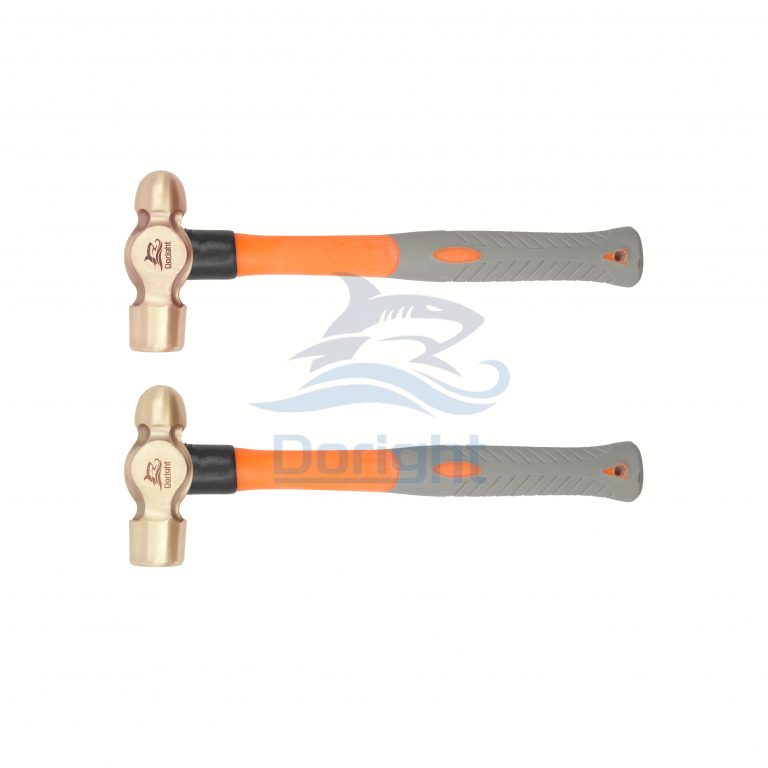
To wrap up with something you can use: here are three metrics I recommend when evaluating non-sparking tools. First, check effective hardness versus desired spark suppression — too hard and you risk sparks; too soft and you risk deformation. Second, measure maintenance frequency: how often will you need to dress faces or replace handles? Third, evaluate lifecycle cost, not just unit price — spare parts, downtime, inspection time. Use those metrics to compare models side-by-side, and you’ll find choices that truly fit your crew.
We’ve talked trade-offs, seen why specs can mislead, and looked ahead to smarter, paired solutions. I believe practical testing and honest upkeep beat marketing claims every time. For real tools that meet these standards, I turn to trusted suppliers who publish clear specs and support field checks — like Doright.