Introduction
I was on the shop floor last month, watching a machinist swap a worn tool in the rain of coolant and chips — a small, human moment that explains a lot. CNC machining center manufacturers sit at the heart of that scene, balancing uptime, accuracy and cost while clients expect perfect parts every time. Data from recent supply-chain reports shows downtime costs can eat 5–15% off a shop’s productive hours (and yes, that hurts). So what really trips up even the best builders — the design, the controls, or the way shops use them? I want to walk you through what I see, in plain terms, and point toward smarter choices for workshop owners. Let’s move into the common pitfalls and why they matter.
Why Traditional Solutions Stumble
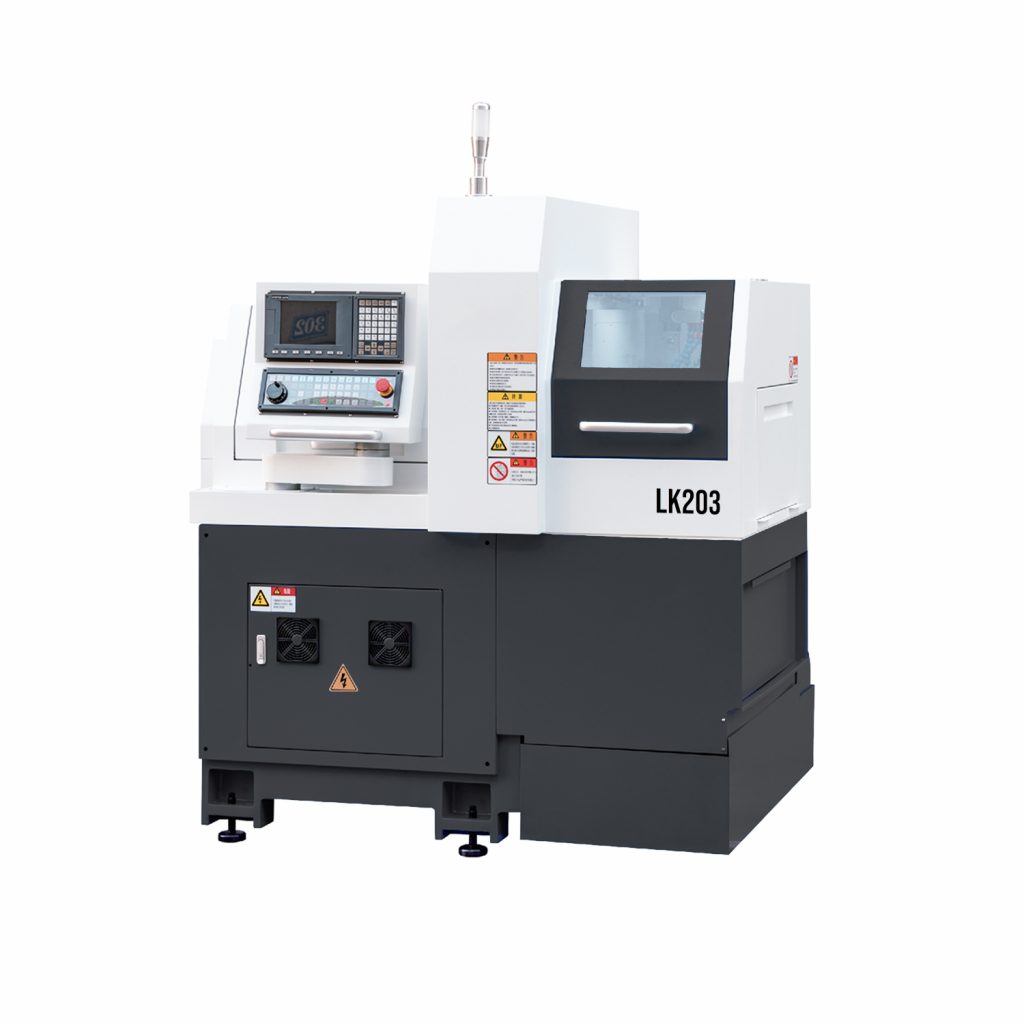
cnc machining center exporter — I review units like these a lot, and I keep coming back to the same technical bottlenecks. Old control architectures try to do everything on one board. That means the CNC control, spindle speed regulation and servo motors all fight for bandwidth and timing. The result? Jitter, missed tool changes, and marginal tolerances. Look, it’s simpler than you think: when a tool changer hesitates for half a second, the whole run can drift out of spec.
What breaks first?
I’ve seen three repeat offenders. First, power converters and cooling are underspecified, so motors overheat during long runs. Second, legacy I/O and bus systems introduce latency, which affects feedback loops for torque and position. Third, maintenance plans are either non-existent or too generic — shops service machines by hours rather than by condition. We end up swapping parts too late or too early. These are not glamorous problems, but they are fixable with clearer monitoring and smarter control strategies — funny how that works, right?
Looking Forward: New Principles and Practical Steps
When we look ahead, the shift is toward modular controls and smarter diagnostics. For example, integrating edge computing nodes near the CNC control allows real-time analytics without overloading the main processor. This supports predictive maintenance and more stable spindle speed under load. I often recommend a hybrid approach: local edge processing for latency-sensitive loops and cloud services for trend analysis and spare-part forecasting. The benefits are immediate — less unexpected downtime, fewer scrap parts, and a calmer shop floor.
What’s Next?
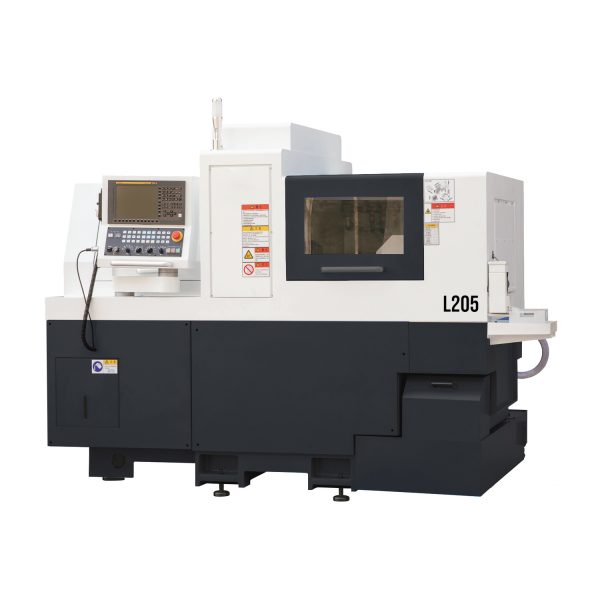
Consider the cnc lathe machining center example: a modular spindle module with its own microcontroller can manage torque and thermal limits while the central CNC handles trajectory. That split reduces control conflicts and isolates failures so the rest of the system keeps running. In practice, shops see faster recovery from tool crashes and cleaner surface finishes. I’m convinced this is the right direction for manufacturers and users alike.
Practical Takeaways and How to Choose
In closing, I’ll leave you with three metrics I use when evaluating systems — clear, measurable and shop-friendly. First, downtime per 1,000 hours: measure it and compare vendors. Second, mean time to repair (MTTR): can a technician get the machine back online quickly? Third, diagnostic depth: does the machine report root causes or just error codes? These metrics tell you more than glossy brochures. I’ve seen firms shift from reactive repairs to condition-based service and save real money. If you want a reliable partner in this space, consider the work being done by Leichman — they design with modular controls and practical shop needs in mind.