Introduction: Bold Play, Real Numbers, One Question
I’ll say it straight: if your shop still treats the turret like a glorified screwdriver, you’re leaving hours on the floor. The scenario is simple — one mid-sized shop I work with dropped cycle time by 22% after a few targeted tweaks (real metric, real sweat). CNC turret lathe shows up in the second sentence because this is the tool we’re talking about, and yes — it can feel like a game where latency matters more than skill points. I’ve spent long nights tuning spindle speed and balancing tool offsets, and I want to share what actually helped. (Side note: I screw up too; that’s part of learning.) So—how do you stop firefighting and start winning predictable runs? Let’s break it down step by step and get to stuff you can test tomorrow.
Part 2 — Hidden User Pain Points: Where Shops Trip Up (Technical Look)
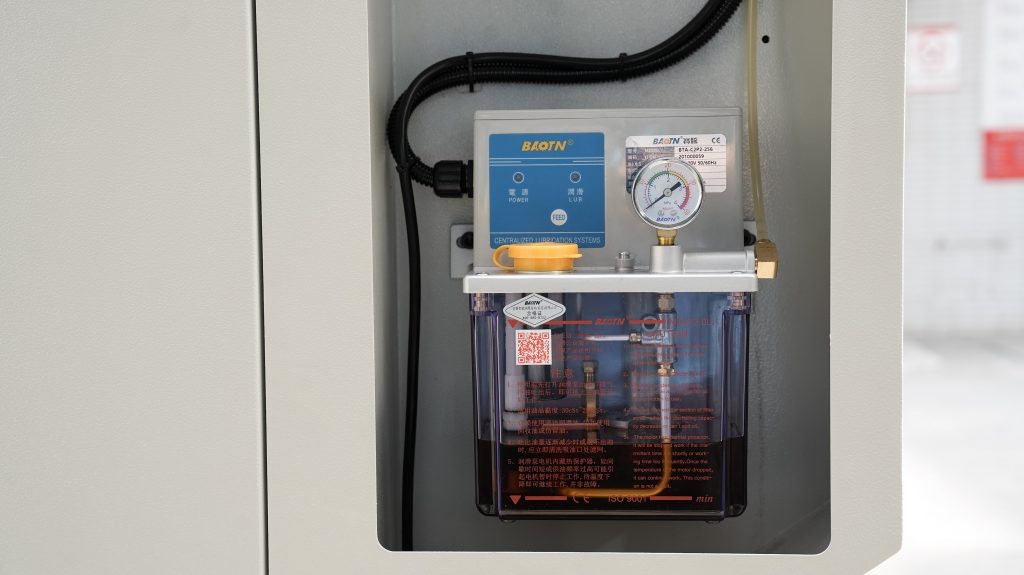
vertical lathe for sale often gets debated as “the solution,” but let me tell you what actually hurts most teams: mismatch, not raw power. Technically speaking, shops buy high-torque spindles and assume cycle time drops automatically. It does not. The real issues are poor turret mapping, inconsistent tool offsets, and ignored chip flow — those small misses multiply. I’ve seen parts scrap because the tool turret wasn’t indexed correctly, and shops blame the program when the root cause is basic fixturing or wrong feed/lead choices. Servo motor tuning, C-axis timing, spindle speed harmonics — these terms mean little if you don’t pair them with solid setup discipline. Look, it’s simpler than you think: fix the basics first, then chase the fancy gains.
Here’s a short technical drill: verify turret repeatability, confirm tool length offsets with a repeatable probe routine, and check the chip conveyor path during the full cycle. If your tool life is inconsistent, test with consistent coolant pressure and a repeatable depth-of-cut. I’ve had shops swap inserts and call it fixed—nope. The repeatable measurement and a calibrated touch probe reveal trends you’d miss eyeballing. That’s the hidden pain: we trust habits instead of data. — funny how that works, right?
Part 3 — Forward-Looking Principles and Practical Metrics
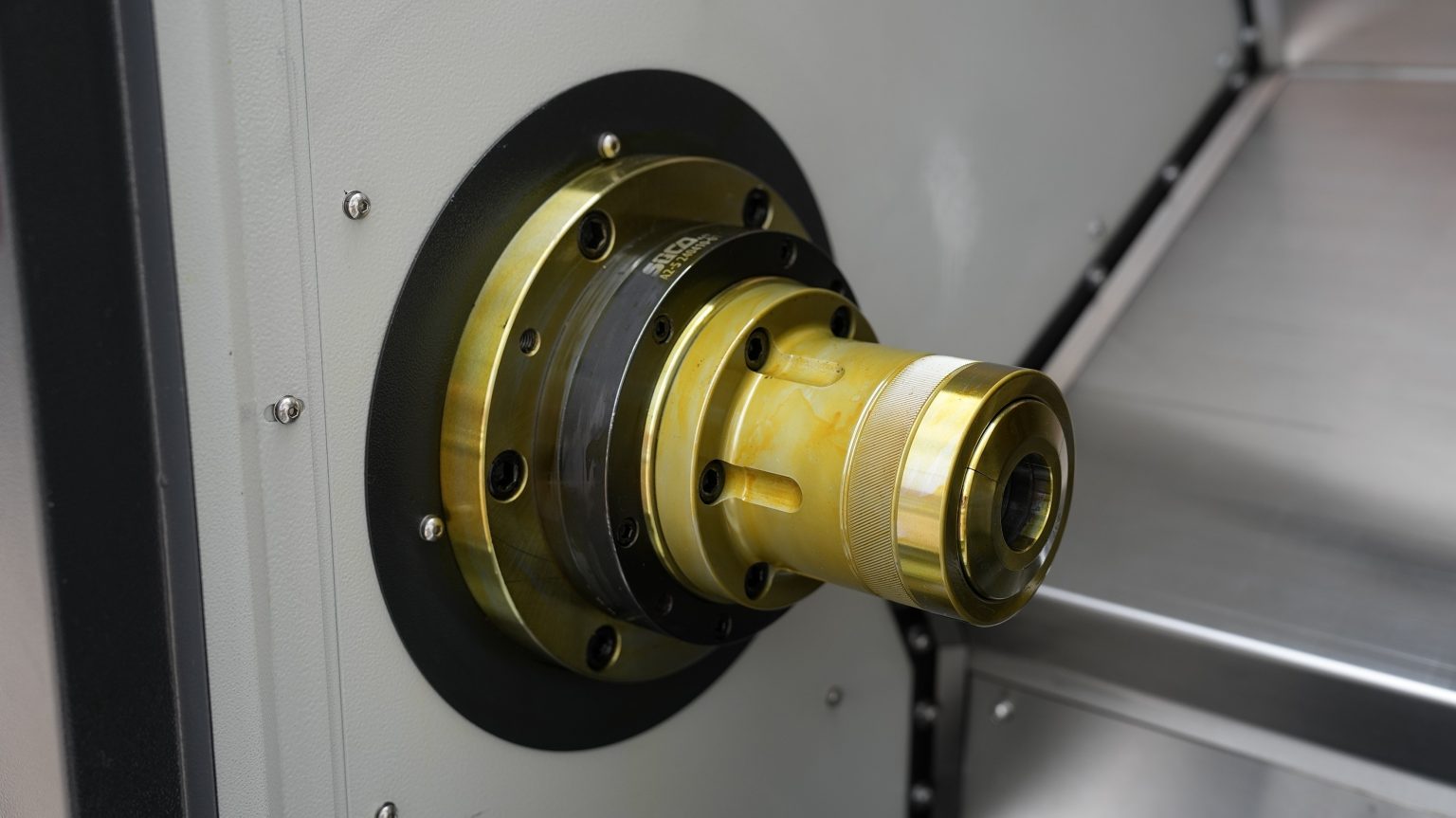
Now, looking forward, I prefer to frame improvements as tech principles, not silver bullets. New control features (adaptive feed, real-time load sensing) matter only when your baseline is solid. When you pair a smart control with a well-tuned turret and clean chip evacuation, the gains stack — fewer crashes, longer insert life, steadier cycles. For smaller runs or prototype work, a compact rig like a mini lathe turret with good servo responsiveness can save you setup time and reduce scrap. Semi-formal note: I’d rather invest in better fixturing and spindle maintenance than chase the newest control patch first.
What’s Next — How I Evaluate Options
I’ll leave you with three practical metrics I use when choosing tools or upgrades: 1) Repeatable Cycle Time Reduction — measured over 20 setups; 2) Tool Life Consistency — percentage variance month over month; 3) Setup Time Savings — actual minutes saved per job, not optimistic estimates. Check spindle bearing temps, watch for chatter signatures, and log tool offsets each shift. Those numbers tell the real story. If you want brand context, I’ve found solid, reliable builds from Leichman that let you focus on process instead of constant fixes. Seriously, when the basics are tuned, you stop reacting and start planning — and that feels good.