The Problems No One Likes to Admit
Last October in Amarillo, a booster‑club rush hit my dock—420 hoodies due by sunrise—do you run it slow and hope, or split the load smart? A dtf printer can carry a shift, but when the clock gets mean I lean on a dual head dtf printer to shoulder the weight. Here’s the rub—single heads stall where shops bleed: white ink gets lazy without steady circulation, RIP queues choke at peak hours, and one clogged nozzle turns into banding that spooks customers. I’ve run B2B orders for 17 years; we print for farm-supply chains and school districts, and I’ve watched folks throw bodies at the problem instead of fixing flow (been there, done that).
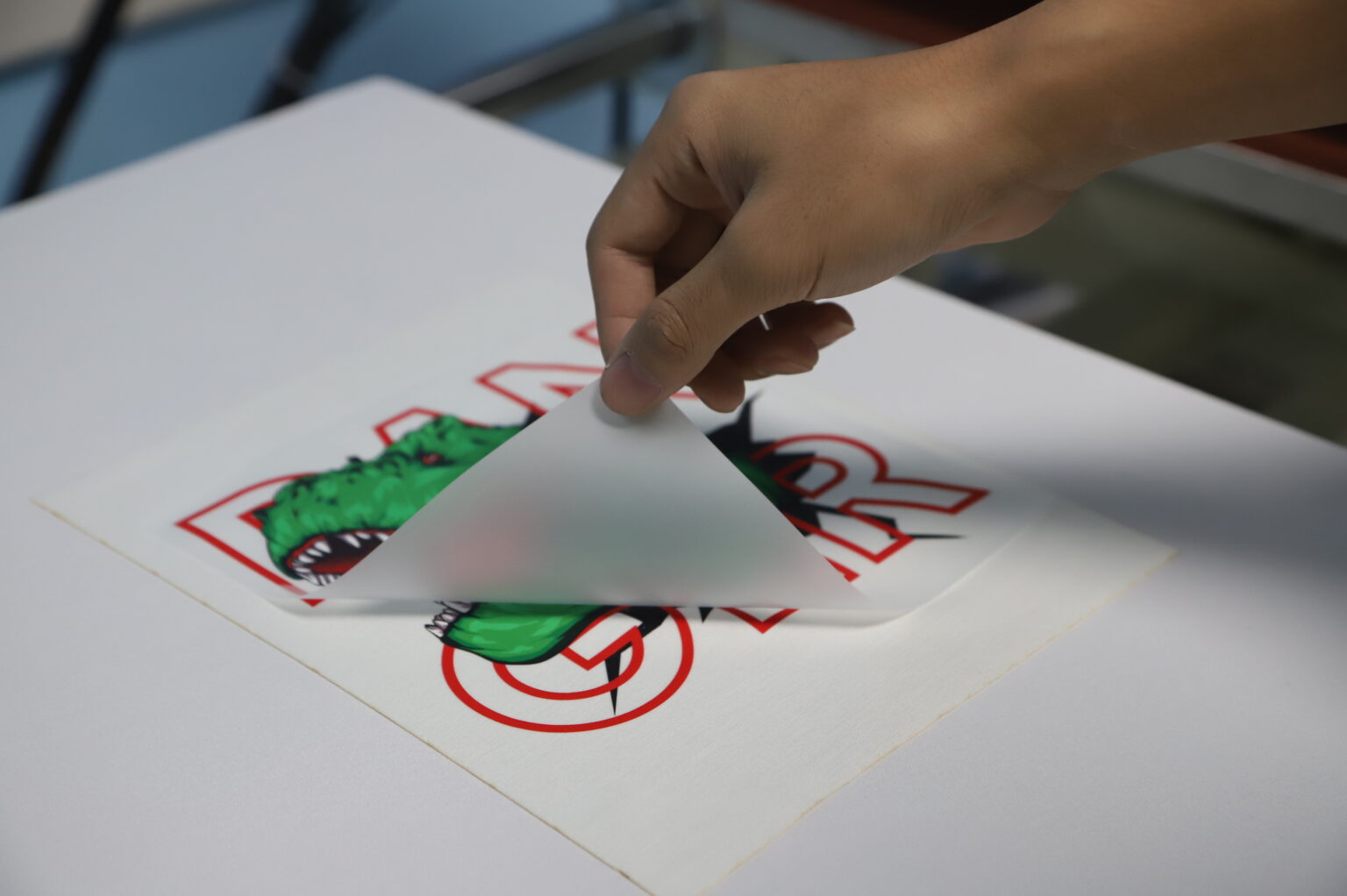
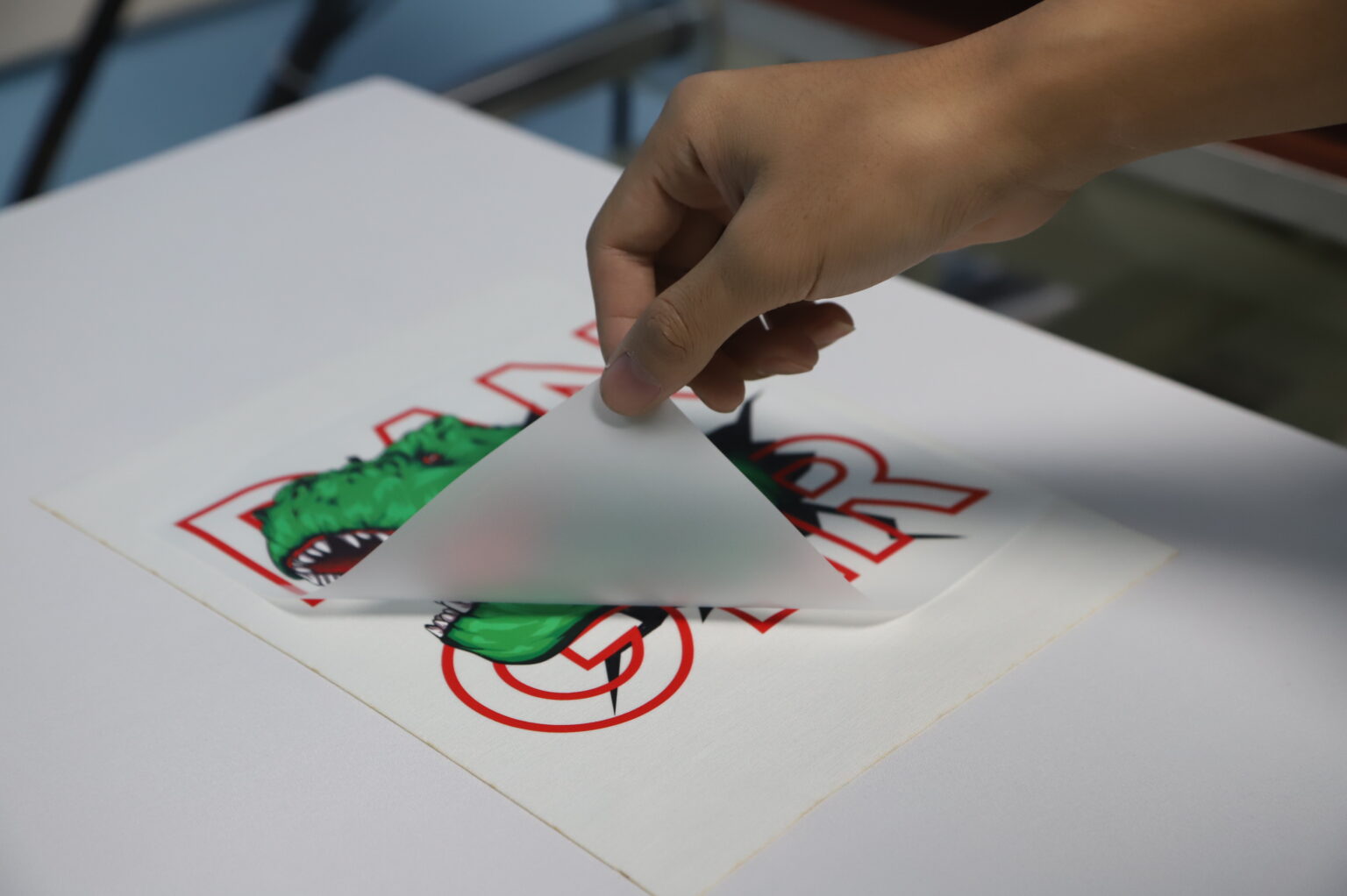
The hidden pain is not just speed; it’s repeatability. On transfer film, a half‑baked ICC profile plus shaky platen height gives you grainy blacks and head strikes—ask me about the night we lost 3 hours because a platen sat 0.5 mm too high. White ink separation sneaks in if circulation pauses longer than a coffee break, and then your hot‑melt powder cures uneven; now you see cracking after two washes. When I shifted our Amarillo line to dual heads in 2019, we cut scrap from 6% to 2.1% by staging passes: one head laying white with stable viscosity, the other laying color with tight nozzle calibration. Not fancy, just steady. If you’ve been babying a single head with constant purges, you know the smell of wasted ink and time—y’all, that’s money. Let’s move this from patchwork to plan.
Dialing In a Dual Head Setup That Doesn’t Fight You
First, keep white ink circulation active even during short breaks; starvation is what kills consistency. I set our loop to cycle every 8 minutes, even while the RIP software chews on the next queue—no downtime gummed up the works. Next, mirror your passes but offset them: white head runs a slightly wider dot gain, color head rides a touch slower with a safer head gap to protect against stray fibers. On an eight‑color line, a custom ICC profile fine‑tuned for your powder weight and cure temp beats any default. We lock our curing oven at 115–120°C for 90–120 seconds based on fabric, then we track delta‑E drift once a week. Sounds fussy? It isn’t. It’s farming rules—do small things the same way every day.

Two more fixes earn their keep. One: keep a short checklist on the frame—platen height, vacuum level, take‑up tension—so an operator swap at midnight doesn’t invite head strikes. Two: if you hear the “sizzle” change while curing, hold up—moisture got in your film or powder. Swap the batch and note it. We once flipped film mid‑shift and saved a thousand transfers. That little pause beat a long regret.
(Quick gut check.) If you’re still seeing banding, turn off bi‑directional on fine detail jobs; then let the second head handle fill areas at speed. You won’t win style points, but you’ll ship clean prints. On rush nights, that’s what counts. Now, let’s put this against tomorrow’s choices.
Looking Ahead Without Guesswork
Real‑world Impact
Comparing a single head to a dual head isn’t just “twice as fast.” It’s where reliability stacks. With a dual head dtf printer, you split duty cycles, so each head runs cooler and cleaner—less purging, steadier nozzle health, fewer micro‑banding calls. Forward view: pair better heads with smarter RIP nesting and batch your film widths; you’ll squeeze 8–12% more throughput without touching the press. Wait—numbers matter, not promises. Here are the three checks I tell wholesale buyers to use when choosing a setup: one, sustained output at 8‑hour intervals with no more than 2% banding rejects; two, white ink stability across a 30‑minute idle (no visible settling, no extra purge required); three, color drift under delta‑E 3.0 after 50 prints at your standard cure profile. If a vendor can’t show that on your fabric and your powder, they’re guessing. If they can, you’ve got a partner. I stick by that, whether I’m shipping pallets south of Lubbock or gearing up for spring sports. And if you want a quiet second opinion—no sales fluff—ask the techs at Xinflying; they’ve seen the weird jams and the simple wins alike.