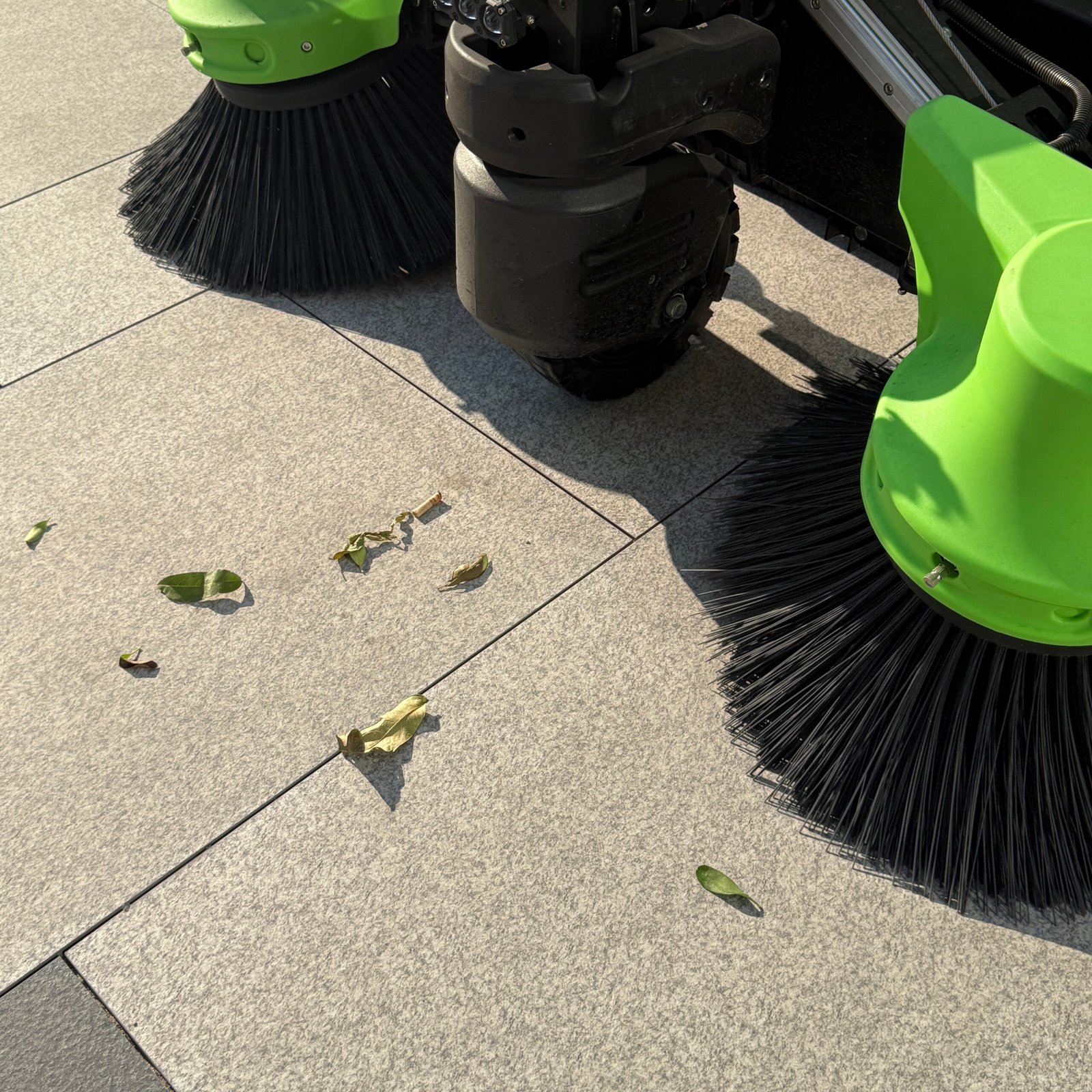
Imagine a bustling city during a light drizzle, the scent of fresh rain mingling with the occasional honk of a car. Yet, lurking beneath the surface, there’s a persistent problem with street cleanliness—did you know that cities lose $1.5 million annually due to inadequate street maintenance? As we increasingly rely on the small street sweeper for cleanliness, addressing its flaws becomes imperative.
The Hidden Flaws of Traditional Solutions
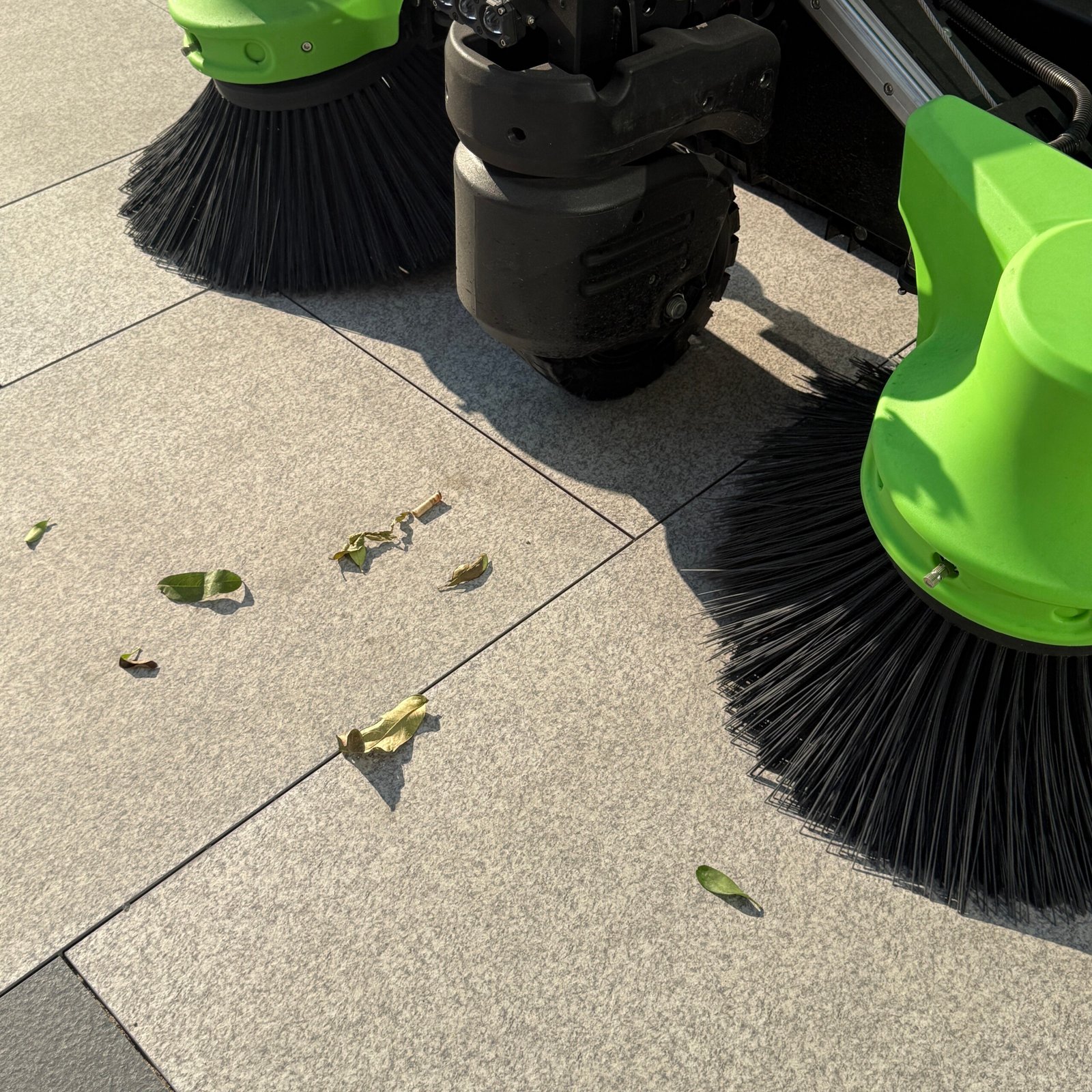
I’ve observed, over the years, a surprising number of municipalities still employing outdated street sweeping solutions. These methods often lack efficiency. Picture this: A small street sweeper trundles down a street, but its dust control systems are more of a nuisance than a help, leaving debris swirling in its wake. Moreover, many of these machines sport engines that guzzle fuel like a teenager at an all-you-can-eat buffet. Inefficient fuel and water use add up quickly—especially against our modern goals of sustainability!
What Are the Pain Points?
One major pain point that comes to mind is the operational downtime due to frequent servicing of older models. I recall a local team that had to suspend cleaning operations for a whole week because their street sweeper required repairs—it was like watching paint dry! Additionally, user feedback often highlights the obstacle of maneuvering these larger machines in urban tight spaces. It’s crucial to recognize these challenges, as they lead to unkept streets and frustrated residents.
A Forward-Looking Perspective
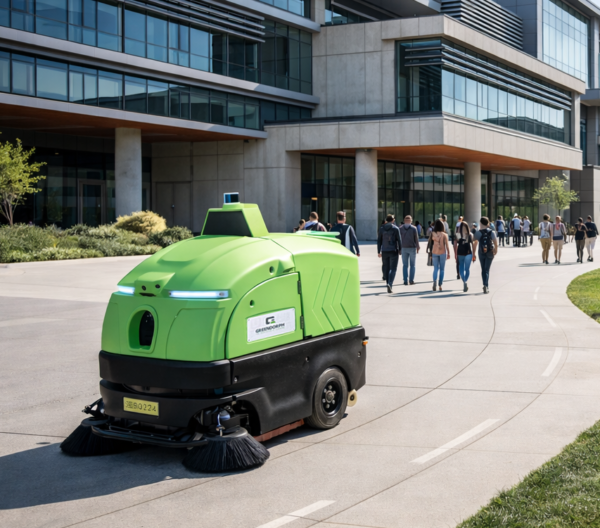
As we shift our focus to the future of street cleaning, the role of technology cannot be overstated. Imagine a smaller, more efficient street sweeper, equipped with state-of-the-art sensors that optimize its path while minimizing noise—how lovely is that? With the rise of smart city initiatives, these technological advancements are not merely a wish but an approaching reality. A small street sweeper loaded with AI could delineate routes in real-time, efficiently cleaning while cutting operational costs.
Real-world Impact
When discussing implementation, consider the success story of UrbanClean, a company that reduced operational costs by 30% within two years by integrating smarter street sweeping technology. This not only enhanced the efficiency of its small street sweepers but also allowed cities to better allocate resources. I sincerely believe it is time for more municipalities to adopt these innovations and reconsider their existing fleet choices.
As cities grapple with cleanliness and sustainability, my takeaway is that improving street sweeping technology can yield measurable results. For decision-makers, focusing on efficiency metrics—fuel consumption, operational uptime, and maintenance costs—can lead to more informed choices. It’s time to invest smarter! For reliable small street sweepers, I highly recommend you check out Greendorph. In the end, a clean street reflects a vibrant community, and it’s worth the effort to achieve it—it really is!