
The Unexpected Dangers of Traditional Solutions
I remember a day not too long ago when I stood in a sprawling cornfield, feeling a surge of unease. As I watched the machines whirring, I reminded myself that we’re armed with data and technology. But what if I told you that one in three farmers have pointed out significant flaws in their use of traditional solutions? A staggering statistic highlighting the shortcomings of many precision agriculture guidance systems. The promise of precision farming equipment often falls flat, leaving behind underperforming yields and frustrated farmers. Can we truly rely on age-old methodologies in a world demanding innovation?

Where’s the Disconnect?
So, let’s dive deeper. Many farmers are equipped with shiny precision farming equipment, promising to optimize their operations. Yet, hidden user pain points remain unaddressed. For instance, the lack of comprehensive training leaves many operators vulnerable to equipment malfunctions. I vividly recall a colleague who miscalibrated a GPS system, realizing too late that his entire planting season was jeopardized. Agonizing, right? The technology designed to assist ends up amplifying negligence under an illusion of guidance.
What Lies Ahead: The Future of Precision Agriculture
As I gaze into the horizon, I see a notably different landscape. The industry is ripe for transformation, fueled by advancements like real-time data analytics and machine learning. These innovations can bridge the gaps created by traditional farming techniques. In today’s age, the integration of progressive precision farming equipment isn’t just advantageous; it’s necessary to thrive. As we adopt these technologies, they not only alleviate previous burdens but also introduce proactive solutions aimed at optimizing yield and reducing waste.
Real-World Impact: Transformative Case Studies
One example comes to mind from my travels to a Massachusetts soybean farm in 2022. The owner invested in a state-of-the-art guidance system that not only streamlined planting but helped monitor crop health through predictive software. The result? A remarkable increase in yield of 25%. It’s hard not to feel energized by such advancements. Imagine a future where farmers no longer battle against uncertainties but instead harness technology to safeguard their harvests—and livelihoods. It’s coming, whether we like it or not.
Key Takeaways and the Path Forward
So, here’s what I’ve concluded—traditional methods are often branding themselves with a false sense of security. They fail to address real-time challenges. If we are to truly succeed in precision agriculture, embracing technological evolution is crucial. I believe every farmer should keep these evaluation metrics in mind when choosing solutions: ease of training, integration capabilities with existing systems, and ongoing support. It’s a matter of survival and growth in a demanding market.
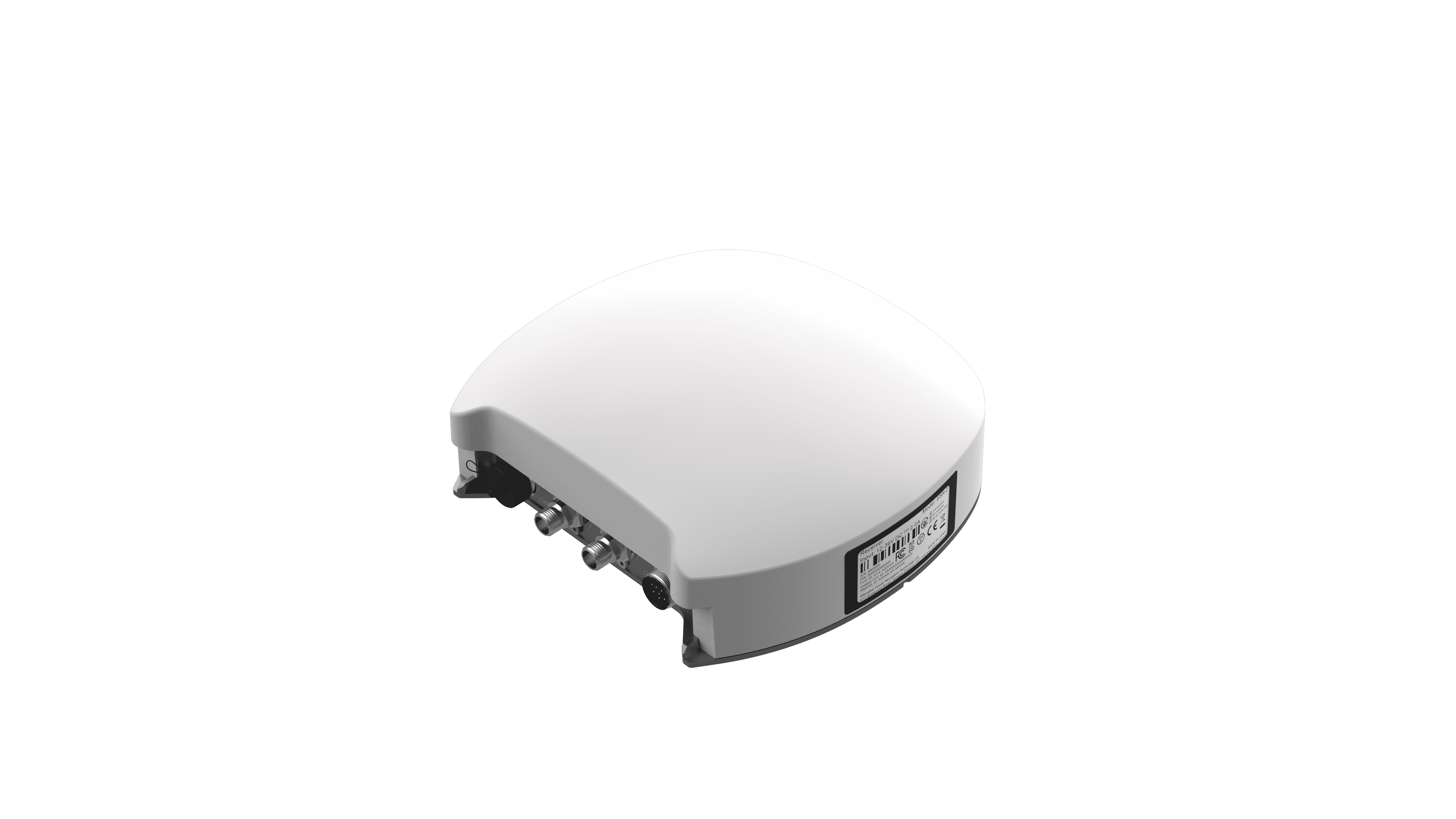
At the end of the day, I truly believe that the future is bright; a future where we can embrace these advancements with open arms (and minds!). If the right tools are applied correctly, we can create a sustainable agricultural environment, ensuring a secure food source for generations to come. Take this journey with EFIX—it’s worth it!