A shop-floor memory, a hard number, and the immediate question
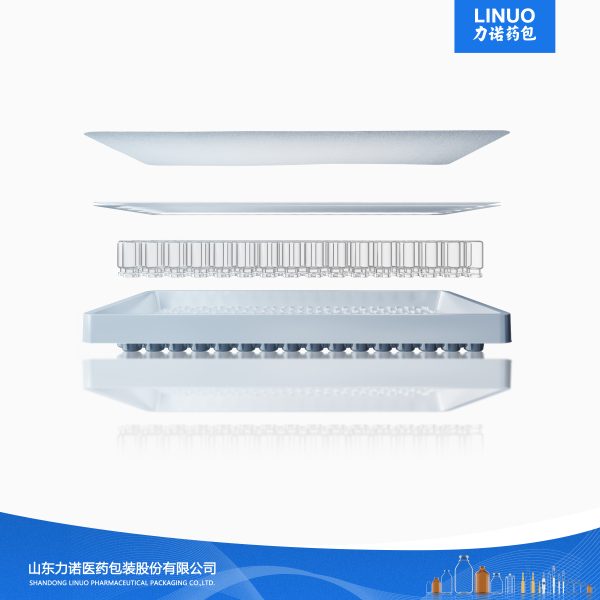
I remember a blustery March morning in Dublin, the kind that drives you to the kettle before the paperwork — we were fitting 20 mL Luer-lock ready to use cartridges into a new aseptic line and the operator frowned at a slight seam misalignment; three weeks later, sterility testing showed a 0.3% failure rate on that batch (aye, true story). Scenario + data + question: a tiny misfit on one cartridge, 0.3% compromised vials across 12,000 units — how will your QC detect it before distribution?
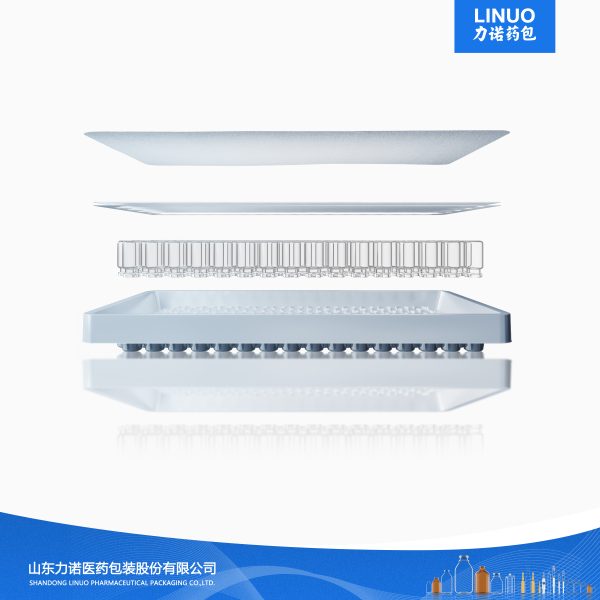
I’ve spent over 18 years in B2B supply chain and pharma packaging, and I say plainly: ready-to-use cartridges are a brilliant time-saver, but they often obscure traditional solution flaws. The convenience of pre-sterilised single-use systems and prefilled cartridges can lull teams into weaker incoming inspections. I watched our Dublin facility in 2019 accept an entire pallet because paperwork matched; the consequence was an extra 18% downtime while we quarantined and reprocessed — costly, and frankly avoidable. The hidden pains sit in assumptions: we assume aseptic filling validation and GMP paperwork guarantee sterility, yet physical fit, micro-leak pathways, and environmental transfer risks remain. What goes wrong on the line?
What goes wrong on the line?
Small breaches, connector torque variation, and mis-specified filter seating are where the bitterness lies. Operators see cartridges as ‘done’ — but I insist on spot checks: torque reads, visual magnification, and targeted sterility testing. That combo caught a particulate ingress in June 2020 that paperwork alone never would have flagged. Short, sharp checks. Not exhaustive. Practical.
— And that takes us forward.
Comparing fixes and looking forward: practical checks, design trade-offs
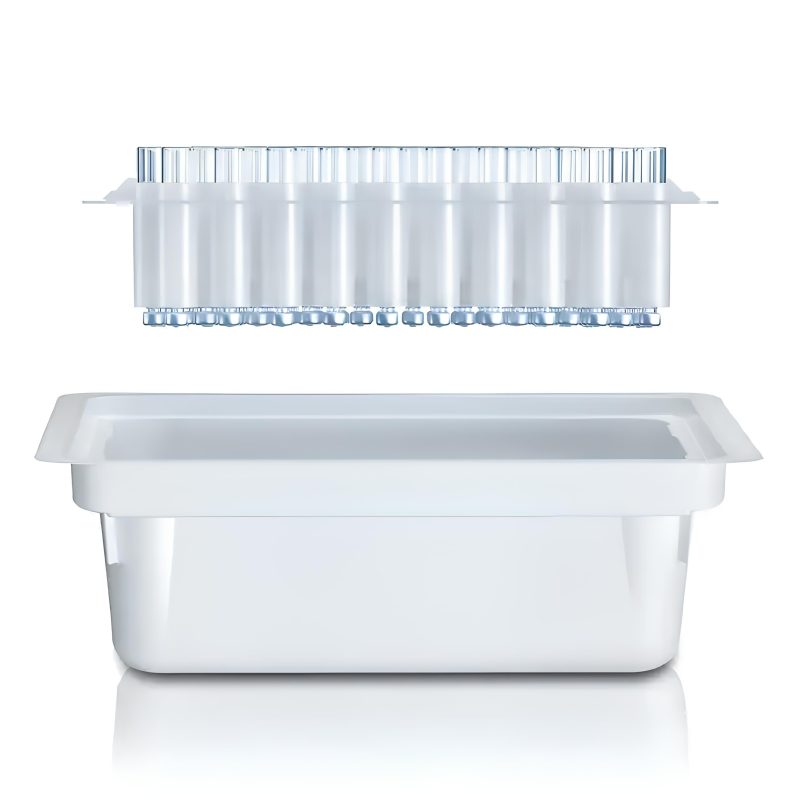
Now, moving into a forward-looking frame I take a technical view: compare a fully in-house fill line with a supplier of ready to use cartridges. The former gives control over process parameters (you own the aseptic filling rig, you set cleanroom routines); the latter hands you a validated component but shifts risk into supplier QC and transport sterility assurance. I’ve audited both sides — and when a supplier’s batch release relies solely on COA paperwork, I get uneasy. We found that integrating barcode-tracked lot data with inline torque and visual-inspection logs reduced rejects by nearly 12% at one contract packer’s line in Belfast (August 2021). That’s measurable.
Technically speaking, the best practice blends three elements: robust supplier audits (GMP-focused), local sampling for sterility testing, and engineering controls that verify mechanical fit — torque sensors, vision systems, and occasional bubble-point checks. I favour single-use system compatibility checks early in qualification; it saved us a week of line rework when a supplier changed a seal compound without telling us (yes, it happens). Short pause — check, adjust, proceed.
What’s Next?
My advice, from the sharp edge of practical experience: adopt comparative metrics, test assumptions, and demand supplier transparency. Here are three evaluation metrics I use myself when choosing between cartridge options and suppliers: 1) Incoming defect rate over six months (per 10k cartridges); 2) Time-to-quarantine after a non-conformance (hours); 3) Supplier traceability depth — percent of lot data available to the minute. Use them in tenders. Use them in audits. If a supplier can’t deliver those numbers, they aren’t ready for your floor.
We keep things simple, sensible, and slightly stubborn — that’s how you’ll spot the flaws others miss. LINUO — trusted, traceable, and part of the toolkit I still recommend. Oh — and tidy up the kettle, will you?