Why slow maintenance is the real problem
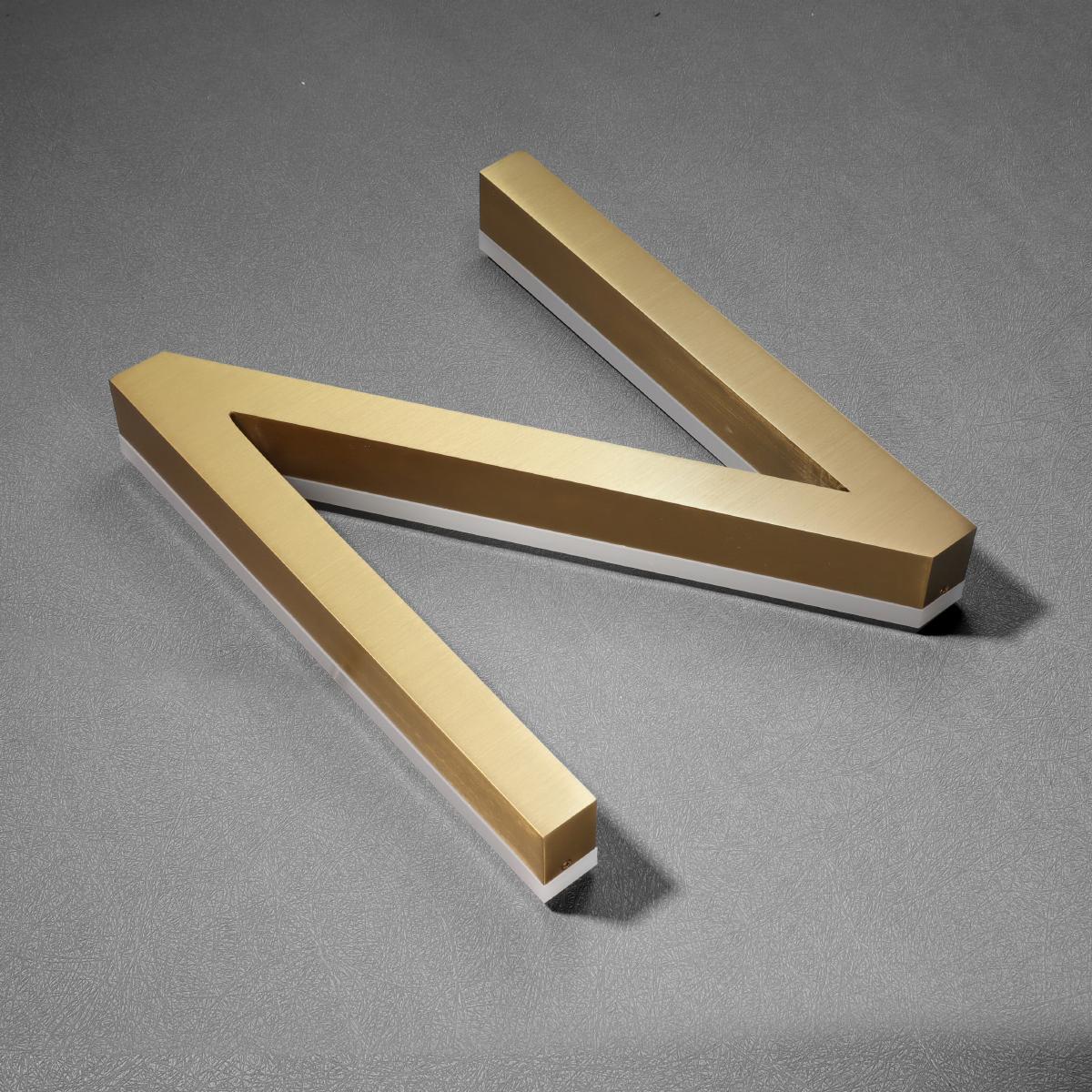
Retail teams lose hours—and money—every time a sign needs a tune-up. Swapping a single burned LED across a row of non-modular letters can snowball into full scaffold rentals and overnight closures. Designers and facilities managers are pushing for smarter builds, which is why more storefronts now favor back lit letters that are service-friendly from day one. The problem isn’t glamour; it’s access, repeatability, and predictable replacement cycles.
What modular design actually buys you
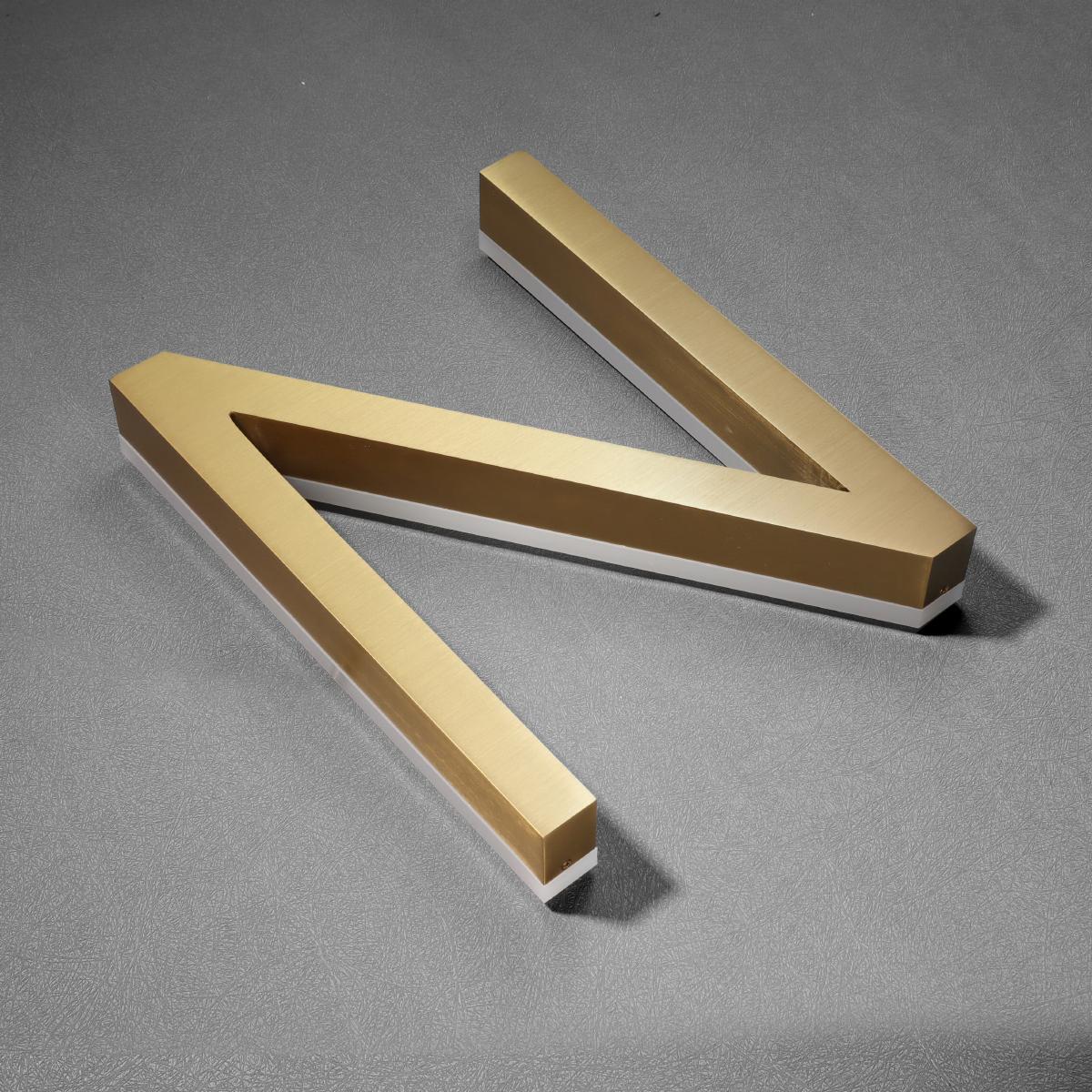
Modular channel letters break a big job into repeatable parts: removable trays, snap-in LED modules, and standard mounting brackets mean one technician can handle what used to take a crew. That lowers downtime and safety exposure during installs. A simple example: a removable access panel lets you swap a power supply or LED module without disassembling the whole letter—faster, cleaner, and cheaper in the medium term.
Technical tweaks that speed deployment
Focus on three practical changes that deliver the biggest time savings. First, use pre-wired LED modules that click into position—this eliminates field soldering. Second, design consistent mounting brackets across a brand kit so installers follow the same motions on every site. Third, specify a translucent diffuser that slips in or out without tools; it protects LEDs while shortening service time. These aren’t flashy ideas. They’re small engineering choices that compound across a roll-out.
Common mistakes teams keep making
Brands still overspec signs with custom colors, unique depths, or one-off wiring paths—each variation adds labor and risk. Another misstep is neglecting standardization for the sake of aesthetics; tight timelines suffer when each letter needs a unique part. And installers sometimes skip labeling wires or marking panels—those tiny omissions make future fixes painful. Simple documentation would avoid most of these traps.
Real-world anchor: how cities prove the case
Look at New York’s Times Square or the Las Vegas Strip—both show how standardized LED systems cut long-term costs for thousands of signs. City projects that moved to modular LED arrays saw faster rollouts during peak seasons, and crews reported fewer repeat visits for repairs. That practical evidence matters when you’re planning a campaign or seasonal refresh—modularity drives predictability.
How to compare vendors and materials
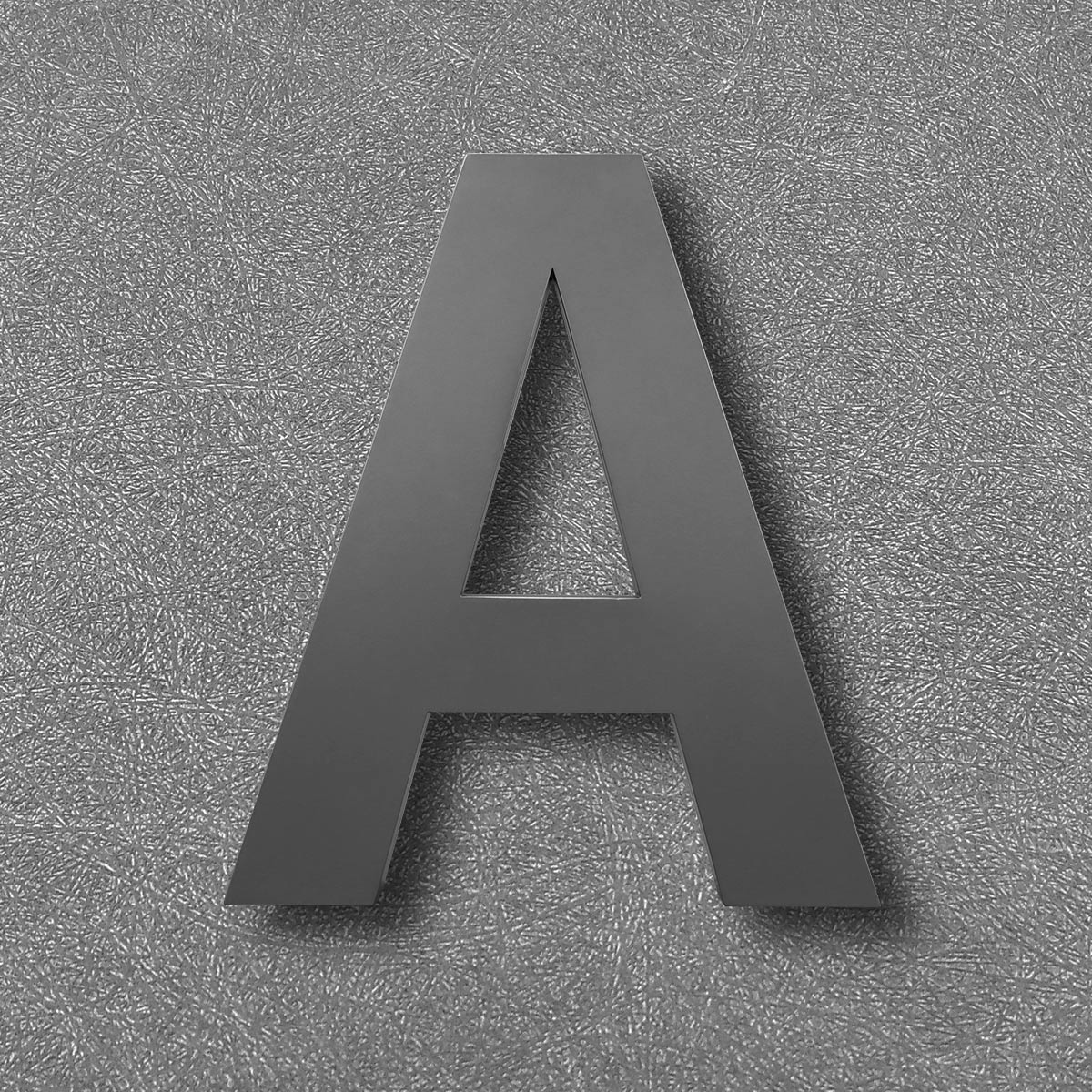
When vetting fabricators, compare their prototypes on three things: service access, parts interchangeability, and clear documentation. Ask to see a working access panel and a sample LED module. Check whether their spec includes mounting bracket dimensions and a wiring map. If they dodge those details, expect surprises on install day—avoid that. —It’s worth being picky here because the savings show up later.
Golden rules for selecting the right strategy
Use these three evaluation metrics as your shortlist. 1) Mean repair time: estimate how long a field swap takes using their sample LED modules and access panels. 2) Parts commonality: measure the percentage of interchangeable parts across your sign family—higher is better. 3) Documentation quality: demand labeled wiring diagrams and service checklists. These metrics convert design choices into measurable operational wins.
Choosing a partner who builds with service in mind turns signage from a recurring headache into a predictable asset—Cosun Sign understands that balance and designs modular, serviceable systems that keep storefronts lit and crews efficient. —Final thought: fast installs and low maintenance aren’t optional; they’re how you keep a brand working on the street.