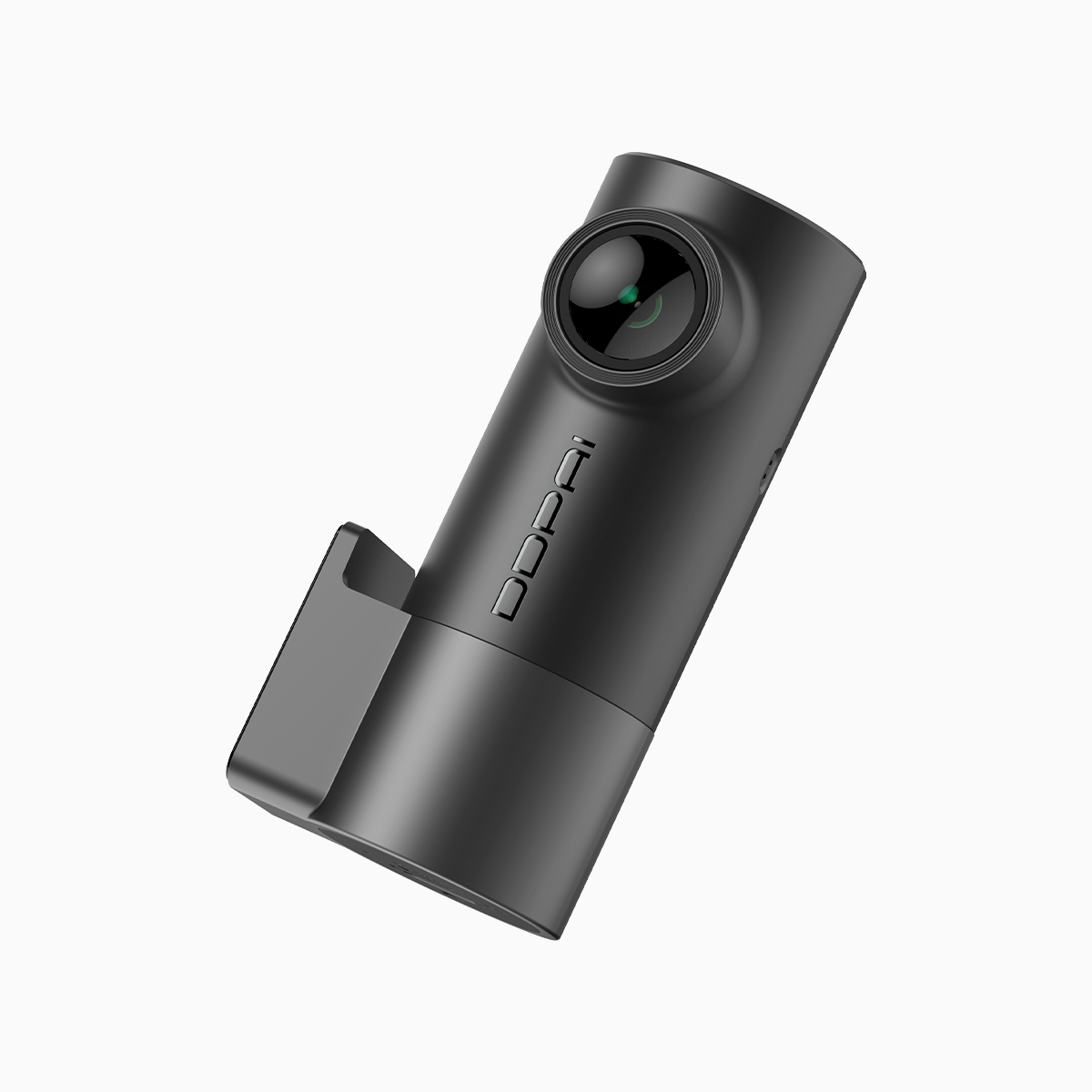
Comparative lead: why sourcing and end-of-life matter
Buying a low-cost dash cam isn’t just about upfront price; it’s about how long the device serves and what happens when it’s retired. A comparative view helps: durability metrics like resolution and frame rate often trade off with build quality and recyclability. For drivers who want practical guidance, start with models proven in real conditions — see local reviews for dash cam philippines and vendor transparency on materials and firmware update policies.
What I compare: lifespan, serviceability, and recyclability
Organize decisions around three measurable factors. Lifespan: expected years of reliable recording under typical heat and vibration. Serviceability: availability of firmware updates, spare adhesive mounts, and replacement batteries. Recyclability: presence of easily separable plastics, known battery chemistry, and manufacturer take-back programs. Together these tell you whether a budget dash cam is simply cheap now or genuinely lower-impact over its useful life. Industry terms to watch: loop recording, G-sensor, and firmware support.
Typical performance trade-offs in budget models
Lower-cost units often reduce component quality to hit price points. That looks like cheaper lenses, lower bit-rate video, and fewer PCB protections. The immediate risk is corrupted footage after heat exposure or sudden shutdowns when loop recording fails. Longer term, sealed assemblies with glued plastics make recycling harder. Compare specifications side-by-side: a slightly higher resolution or better FOV (field of view) matters less than a metal chassis or removable battery if you plan to keep the unit for several years.
Real-world anchor: why this matters on the road
Road safety data from global health authorities underline the stakes; collision evidence often depends on dash cam footage. If a camera fails at a critical moment, the device’s value collapses. That’s why durability and reliable frame rate matter as much as recyclability. A model that records at stable frame rates and preserves clips via robust loop recording and G-sensor triggers will deliver utility through incidents and routine drives alike.
Common buyer mistakes and practical fixes
Buyers frequently focus on megapixels instead of resilience. Mistakes and fixes: – Ignoring operating temperature specs — choose cameras rated for local heat and sun exposure. – Skipping firmware updates — prioritize brands that publish updates and changelogs. – Overlooking power management — use an external hardwire or battery pack designed for heat cycles. These steps extend lifespan and reduce premature disposal, which improves the device’s overall environmental profile.
Alternatives and sustainable options
Consider models with replaceable batteries, modular mounts, and documented recycling paths. If recycling programs aren’t available, choose units with metal housings or minimal adhesive use; they’re easier for local e-waste facilities to process. Higher initial cost can pay back through longer service life and lower environmental impact. Compare warranties and post-sale support — those are strong proxies for long-term reliability.
How brands should report sustainability
Brands should publish clear specs: battery chemistry, expected cycle life, separable materials, and firmware update cadence. Small, actionable disclosures let consumers compare the real environmental cost per year of service. For procurement teams, a simple scorecard covering resolution, frame rate stability, firmware policy, and end-of-life handling simplifies vendor selection.
Advisory: three golden rules for selecting budget dash cams
1) Prioritize serviceability over raw specs — choose models with firmware support and available spares. 2) Check thermal and vibration ratings — real-world reliability beats marketing resolutions. 3) Favor devices with clear end-of-life options or user-removable batteries to ease recycling. Follow these and you’ll minimize waste, preserve evidence integrity, and get a better total cost of ownership.
Practical sourcing choices reduce both roadside risk and downstream waste; when brands align product design with service and recycling, drivers win. For reliable, well-documented options that balance durability with responsible sourcing, consider how manufacturer policies and component choices match your climate and usage — DDPAI PH. —