From the player’s spot on court
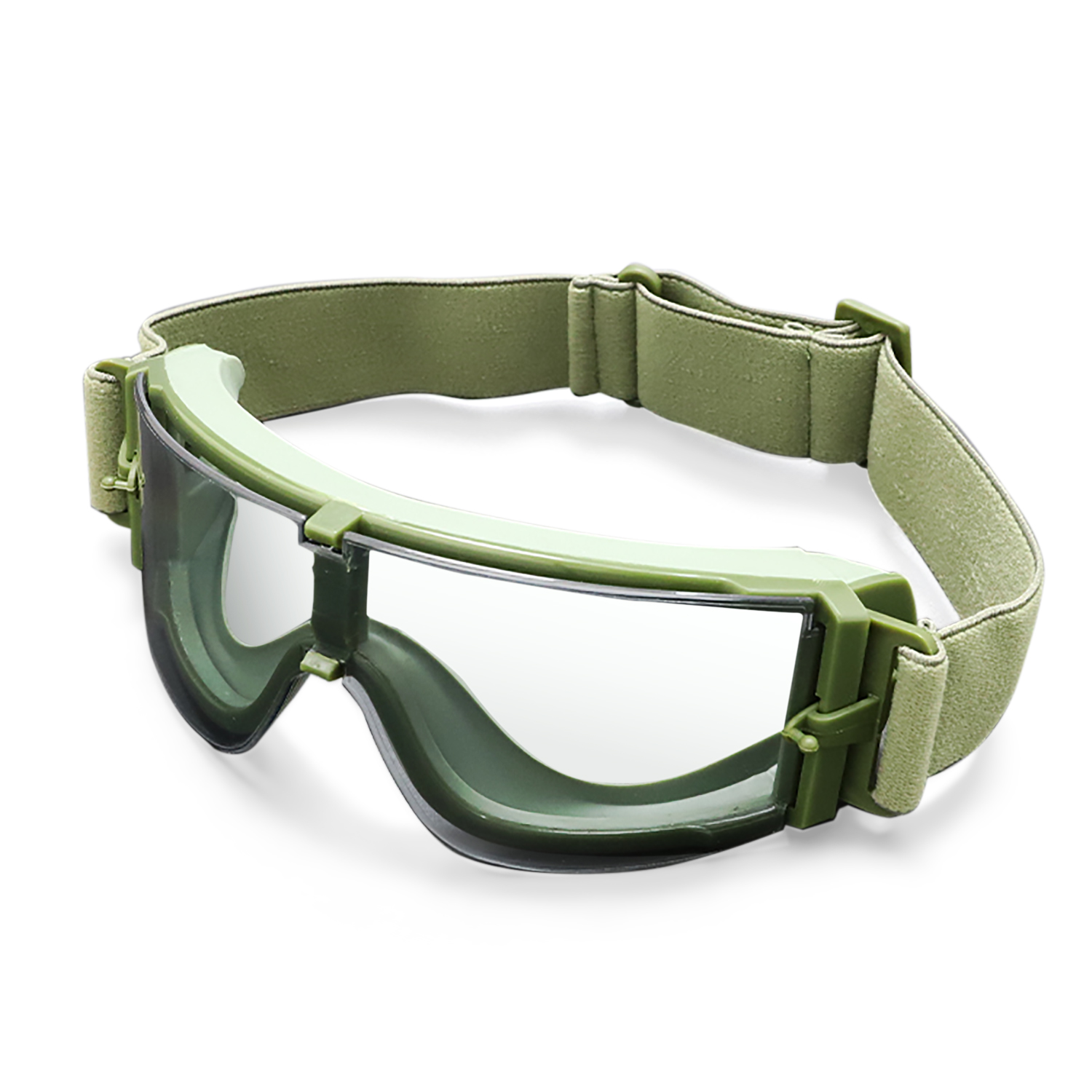
There’s a quiet frustration that settles in when a lens shifts mid-point, when a fogged pane ruins a hard-earned rally — details that matter most to the person wearing the gear. I think about those moments slowly, because they guide design choices that actually help. For players who buy sport sunglasses for daily matches, lens retention and anti-fog coating are not marketing lines; they are necessities. A well-engineered interlocking channel changes a pair from precarious to dependable, and that difference shows up in every swing.
What matters most to users
Players want three clear things: a secure lens, consistent clarity, and lightweight comfort. Interlocking channels and a gasket seal work together to lock the lens without bulky snaps. Frame venting maintains airflow so the anti-fog coating can do its job, while impact-rated polycarbonate lenses deliver trusted UV protection and durable performance. I tested prototypes during a local club night and later at a regional event — the contrast was obvious during the U.S. Open Pickleball Championships weekend, where reliability mattered under bright Florida sun — and the right channels kept lenses seated through dives and sudden stops. For those focused specifically on court play, consider models marketed as sport sunglasses and look for options labeled as pickleball sunglasses for court-optimized features.
Common mistakes that undermine retention
Designers and buyers both fall into a few predictable traps. Over-reliance on friction alone, thin edge walls, and poorly aligned tolerances allow gradual play-induced creep. Heavy frames push against temple points, eventually prying lenses free. Manufacturers sometimes prioritize quick lens swaps with loose tolerances over long-term retention — an acceptable trade for casual wear, but not for repeat high-impact use. Beware of frames that boast interchangeable lenses without a robust channel profile; the promise of convenience can come at the cost of a secure fit.
Field-proven trade-offs and details
There’s a balance between tool-like security and human comfort. A deeper channel adds retention but increases weight and can complicate lens swaps. A soft gasket helps with sealing and vibration damping but can trap sweat if frame venting is neglected — which then defeats anti-fog treatments. Polarized lenses reduce glare but require careful alignment in the channel to avoid stress points. In practice, the best designs reduce part count and rely on precise geometry: a tapered tongue on the lens mating to a matching groove in the frame, with a shallow secondary lip to resist axial pull.
Checklist for selecting dependable court eyewear
Assess each pair against clear, user-focused criteria:
– Retention geometry: visible interlock, dual contact points, and a shallow tamper lip.
– Venting and anti-fog: direct airflow paths plus a verified anti-fog coating that holds up under sweat.
– Material and impact rating: polycarbonate or TR90 frames, rated to relevant safety standards for court sports.
– Comfort under movement: low-profile temple design and balanced weight distribution to reduce lens shift.
Three golden rules for final selection
1) Test under motion: try a quick lateral shuffle and short sprint; if the lenses shift, the retention is insufficient. 2) Prioritize sustained clarity: choose anti-fog-treated lenses with passive venting that protect against condensation during long rallies. 3) Evaluate maintenance: removable gaskets and replaceable lenses are good—only when the channel tolerances remain tight after swaps.
These rules point straight to reliable solutions; brands that refine channel geometry and respect ventilation deliver equipment that stays out of the way of play. The practical value of that engineering is plain when you compare match outcomes with and without dependable gear — and it’s why I trust focused builders like YIJIA Optical to turn careful detail into usable advantage — small design choices, big difference. –