
A practical framework to start with
Think of stiffness as a promise: the machine must hold the mold steady as clamping force peaks. Begin with a clear specification of required clamping force, platen flatness and allowable platen deflection, then translate those into frame geometry and material choices. If you’re comparing platforms, test a vertical rubber injection molding machine early in the selection phase so you can measure real platen deflection and cycle response. This framework aligns design, procurement and tooling teams — and it’s practical in Shenzhen’s manufacturing belt where rapid iteration is routine and test cycles are fast.

Five engineering pillars that carry the load
Designing high-stiffness enclosures rests on predictable elements. Prioritize a monolithic frame to reduce stress concentrations. Use generous ribbing and gussets to control local bending. Keep platen spans short and use hardened guide systems to protect alignment. Run finite element analysis (FEA) to validate natural frequencies and stress paths. Specify tie-bar or tie-less layouts based on maintenance and torque distribution — simple choices that deliver predictable stiffness.
Component-level decisions that change outcomes
Small component choices multiply at scale. Select a toggle mechanism or hydraulic pressure system that matches shot size and cycle time expectations; mismatch increases platen wear. Match screw diameter and injection unit capacity to the mold cavity count to avoid partial fills or excess hold pressure. Opt for robust cooling manifolds and accessible mold interfaces so technicians can swap cavities without disturbing platen alignment — that reduces downtime and keeps cycle repeatability high. When you evaluate suppliers, look beyond data sheets; engage vertical injection molding machine manufacturers directly to confirm their test protocols and maintenance access.
Common mistakes teams keep making — and how to stop them
Teams frequently over-spec clamping force as a catch-all. That adds cost and increases machine inertia without improving part quality. They also under-estimate platen deflection under off-center loads — which ruins sealing in multi-cavity molds. Don’t let maintenance access be an afterthought; hard-to-reach grease points and hidden pressure lines create drift over months. Simple alignment jigs and scheduled strain-gauge checks prevent this kind of slow degradation — saving hours of troubleshooting later.
Prototype, measure, iterate
Build a test rig that mimics the worst-case mold load. Use strain gauges and modal testing to map deflection and resonance. Track cycle time stability across long runs; measure energy per cycle and monitor hydraulic pressure trends. These tests reveal real-world behavior that FEA can miss, like localized fretting or seal creep. Bring test results back into the design loop and tighten tolerances where the data shows weakness.
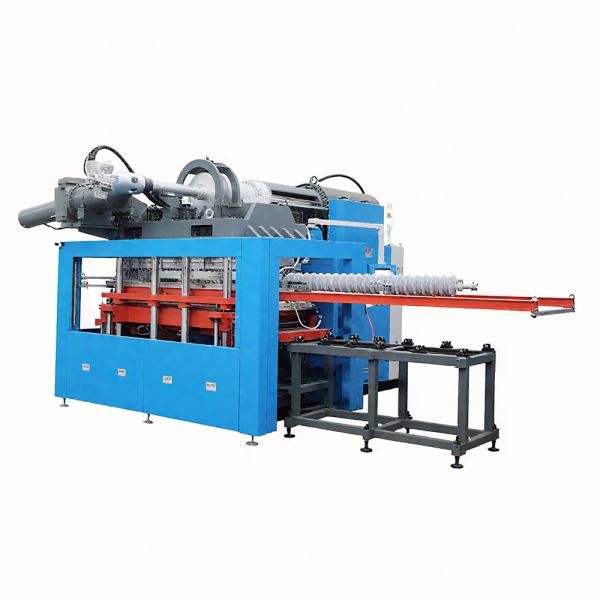
Three golden metrics for selecting systems
1) Effective stiffness per ton: measure platen deflection under a defined off-center load and normalize to clamping force — lower deflection per ton wins for precision. 2) Cycle stability index: track standard deviation of cycle time and peak injection pressure across extended runs — stable metrics mean fewer rejects and less scrap. 3) Maintainability score: count routine service points and mean time-to-service; a design that’s easy to service keeps uptime high. Use these three metrics as gate criteria when comparing proposals.
Practical close and the natural fit
Apply this framework, test early, and prioritize measurable stiffness over headline tonnage. The result: machines that run longer, produce tighter parts, and give engineers room to optimize injection profiles rather than firefight. For teams ready to scale, that operational clarity points directly to reliable partners — and to real-world value you can measure. HWAYI. —