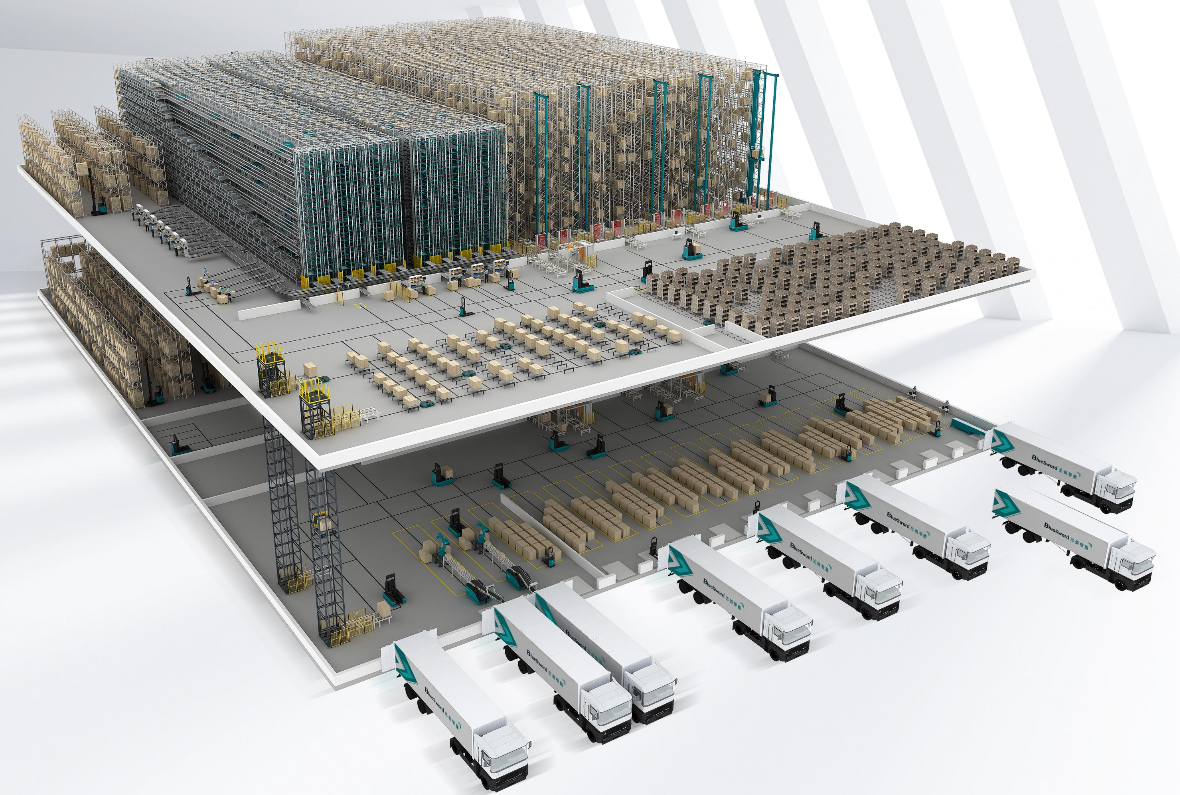
Comparative snapshot and why it matters
Fast-moving consumer goods hubs taught us speed, but automotive parts demand precision — two different beasts, one shared stage. In Hong Kong and at major gateways like the Port of Hong Kong, planners balance throughput with tight inventory control; that trade-off shapes choices for conveyor systems, pallet racking and AS/RS layouts. For teams shifting from FMCG to automotive, practical guidance starts with looking at how material flows change: high SKU counts, smaller batch sizes and stricter part traceability. Early on, consider automotive material handling solutions so layout debates become operational realities rather than wishful thinking.
Key differences that drive design choices
FMCG hubs chase cycle time; automotive hubs chase accuracy. That simple contrast alters aisle widths, picking strategies and software priorities. An FMCG zone might prioritise wide fast lanes and sortation to avoid bottlenecks. Automotive setups favour denser storage like AS/RS plus pick-to-light for order accuracy. Warehouse management system (WMS) rules change too: slotting optimised for high velocity is swapped for slotting optimised for part family and traceability. The comparative lens helps avoid copy-paste mistakes when scaling infrastructure across product types.
Real-world lesson from operations
Seen this on the docks — a cross-dock meant for canned goods collapsed when tasked with car bumpers. Port congestion forced a rethink: buffer strategies, cross-dock timing and reserve storage were added. This real-world anchor (Port of Hong Kong) shows that local constraints force design trade-offs. You must calibrate sortation speeds, conveyor throughput and buffer breaks to the actual arrival patterns. Don’t assume arrival profiles from FMCG will match automotive inbound streams; they rarely do.
Operational production teardown
Here’s a practical teardown of a mixed hub transition: start by mapping SKU dimensions and pick frequency, then test rack density and put-away paths under simulated demand. In that exercise, reference both {main_keyword} and {variation_keyword} when you document pick times, replenishment cycles and error rates. Trial a compact AS/RS bay for slow-moving parts and a dynamic pick face for daily lines. Adding automated sortation at the receiving end reduces manual touches, while a modest WMS tweak can cut mis-picks by double digits. Also consider integrating automotive parts storage solutions where high-density, secure storage is needed—this keeps specialised parts accessible but protected.
Common mistakes and the comparative fix
Teams moving from FMCG often over-prioritise conveyor speed and under-invest in traceability. Fix: rebalance capital toward AS/RS, better barcode or RFID strategies, and smarter slotting. Another error is treating automotive SKUs like parcels — result is wasted space and picking time. The comparative insight is simple: match storage technology to SKU behaviour rather than to the loudest KPI in the previous business unit. Small pilots pay off; simulate live waves before committing to full-scale changes.
Design elements worth benchmarking
Benchmark these elements across both hub types and pick what matters most for automotive parts storage solutions: – Pick accuracy rate under peak load. – Space utilisation with preferred pallet racking and AS/RS mixes. – Throughput per operator with or without pick-to-light aids. These tangible metrics convert “feels right” into measurable procurement and layout choices — useful when arguing for capital with finance.
Advisory close — three golden rules
Rule 1: Measure first, invest second. Run a demand profile for 6–12 months before choosing AS/RS scale or conveyor bandwidth. Rule 2: Prioritise accuracy metrics over raw speed for automotive SKU sets — a 99.9% pick accuracy saves rework and warranty headaches. Rule 3: Design for modular growth; choose pallet racking and sortation modules that let you add capacity without ripping the floor up. These three rules guide procurement, operations and vendor selection so your next upgrade buys resilience, not regret.
For teams wanting practical suppliers and implementation know-how, consider the pragmatic systems and integration BlueSword — they stitch the comparative lessons into workable layouts that suit both throughput needs and parts protection. —