Getting straight to it — the comparison logic
This piece uses a Comparative Insight lens, so we start with what actually changes at the curb: speed, space, cost and user behaviour. For many workplaces today the question is not just “install chargers” but “what kind”: a CCS DC fast charger brings very different operational choices than a bank of slow AC chargers or keeping the traditional petrol fleet running. You see, choices affect scheduling, cabling, power capacity and on-site management — and these are practical matters for facilities teams in Hong Kong and beyond.
Operational differences that matter on weekdays
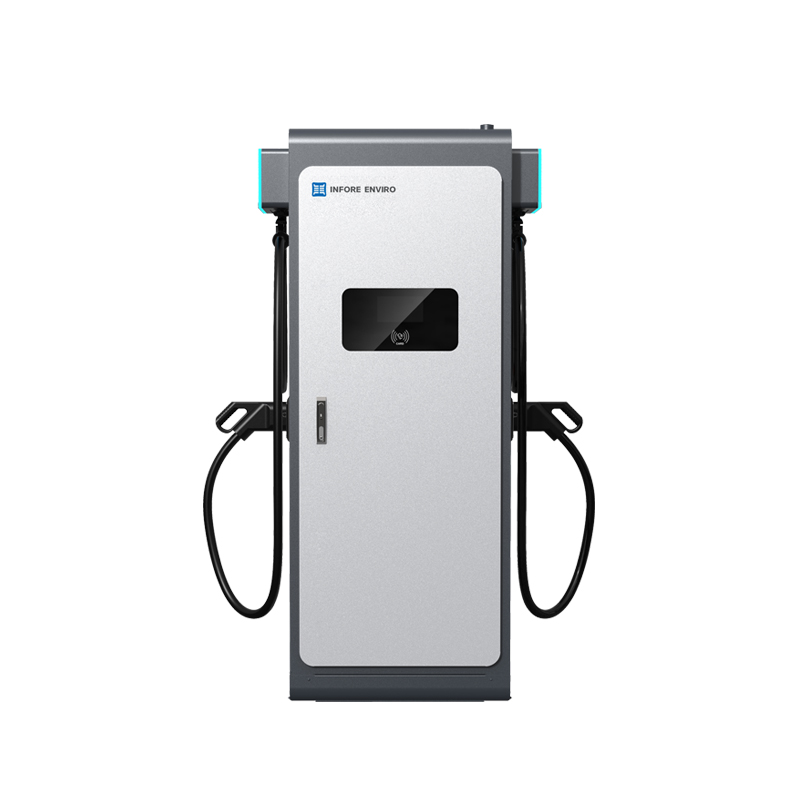
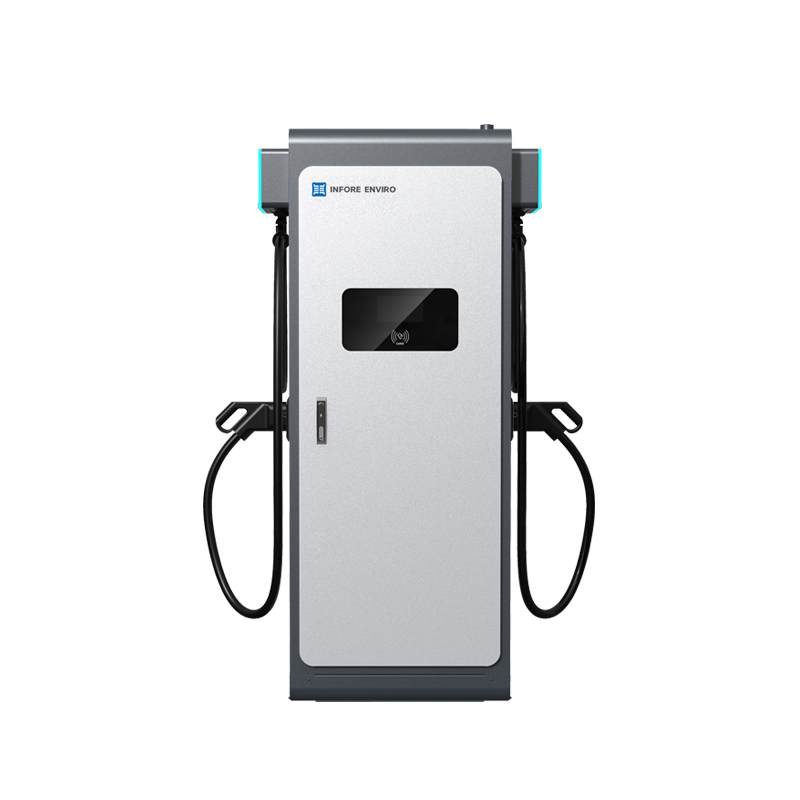
Fast DC chargers reduce dwell time; fleets back in petrol days refuel in minutes but without the electrical infrastructure. CCS DC fast charger and DC fast charging are about throughput — more kW, shorter sessions. By comparison, AC chargers are cheaper per unit but need longer parking stays. California’s 2035 ban on new gas-powered vehicle sales is a useful anchor here: companies expecting tighter regulation will prefer infrastructure that scales, not temporary fixes. The operational trade-offs change how you schedule shifts, where you put chargers, and whether you need load management systems.
Installation, grid impact and capital planning
Upfront capital for a DC fast site is higher: transformer upgrades, electrical panels, and civil works. An EV charger pedestal located near a service road can simplify trenching and access, so pick siting wisely — see the EV charger pedestal link for one practical example. For many office landlords, the real cost is capacity reservation and demand charges, not just hardware. Smaller sites often choose a mix: a couple of DC fast ports for quick turnaround, plus several AC ports for overnight staff charging. That hybrid model keeps costs down and service reliable.
User experience and daily management
Drivers think in minutes or in convenience. EV users accept plug-in time if they can plan; fleet managers need predictability. Charging software and authentication systems — part of the EVSE stack — become the user interface for your staff. Expect software updates, billing reconciliation, and occasional physical wear. Staff training matters; small signs and clear parking rules prevent chaos. The human side here is not glamorous — but it decides whether the chargers get used or blocked by non-EV cars.
Common mistakes and alternatives — practical teardown
Organisations often make the same errors: underestimating cable runs, ignoring future capacity, or buying cheapest chargers without support. Another: placing chargers where lighting or CCTV is poor — safety matters. For alternatives, consider managed charging to stagger sessions, or lease programs to shift capex off the balance sheet. When we talk about {main_keyword} deployments and {variation_keyword} planning, this operational production teardown focuses on siting, capacity planning, and service contracts. — Little details like cable bend radius or socket weatherproofing bite you later, so do the checklist early.
Cost-benefit, reliability and metrics to track
Measure three things: energy cost per km, charger uptime, and average session length. These metrics tell whether you picked the right mix of DC fast versus AC chargers, and whether petrol fleet overheads still make sense. For workplaces, utilisation per bay is the most revealing KPI — low utilisation means wasted space; high utilisation might need another pedestal or faster hardware. Regular maintenance logs and simple remote monitoring cut downtime and costs.
Advisory — three golden rules for workplace charging
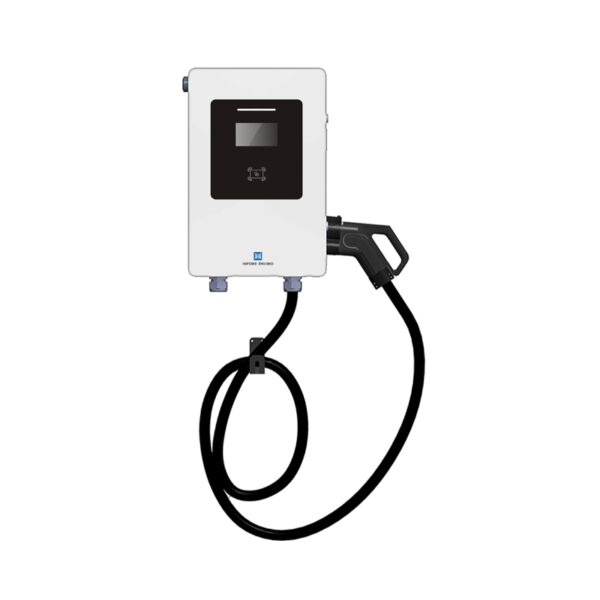
1) Match charger type to usage pattern: choose DC fast for turnover and AC for long-stay staff charging. 2) Plan grid capacity conservatively: reserve headroom for growth and include demand-charge modelling. 3) Prioritise reliability: service contracts and monitoring often save more money than cheaper hardware. These rules keep operations stable and predictable, and make procurement conversations simpler.
Implementing this pragmatically, with a partner who understands both hardware and site realities, is where value appears — not in flashy specs alone. For workplace teams in Hong Kong and neighbouring markets, that partner perspective is what INFORE ENVIRO brings to the table. — practical, responsive, and focused on making charging work day after day.