Quick reality check
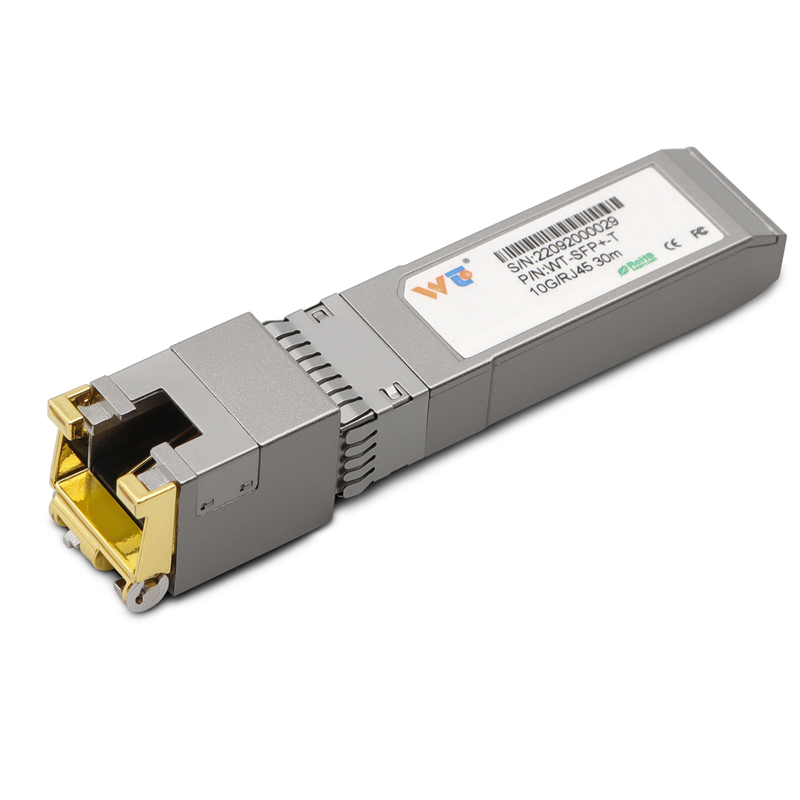
Upgrading a server room from 10G SFP+ optics to 25G SFP28 looks simple on paper but the bill says otherwise. For many IT teams in Latin America and beyond, decisions hinge on more than port speed: compatibility, cabling, switch ASIC support and lifecycle costs matter. If you’re comparing copper options as an interim solution, consider a reliable sfp to rj45 transceiver to bridge old gear while planning a full migration.
Breaking down the real cost components
Cost isn’t just the per-transceiver price. Count these line items: module unit cost, new switch ports or line cards, possible fiber recabling or new DAC runs, software/firmware upgrades, and labor for testing and fallbacks. A single 25G SFP28 port might cost two to three times a 10G SFP+ port in hardware terms, but the migration can trigger additional capital spend when spine and leaf topologies need rework. Add support contracts and validation windows, and the math quickly grows complex.
Performance vs. interoperability
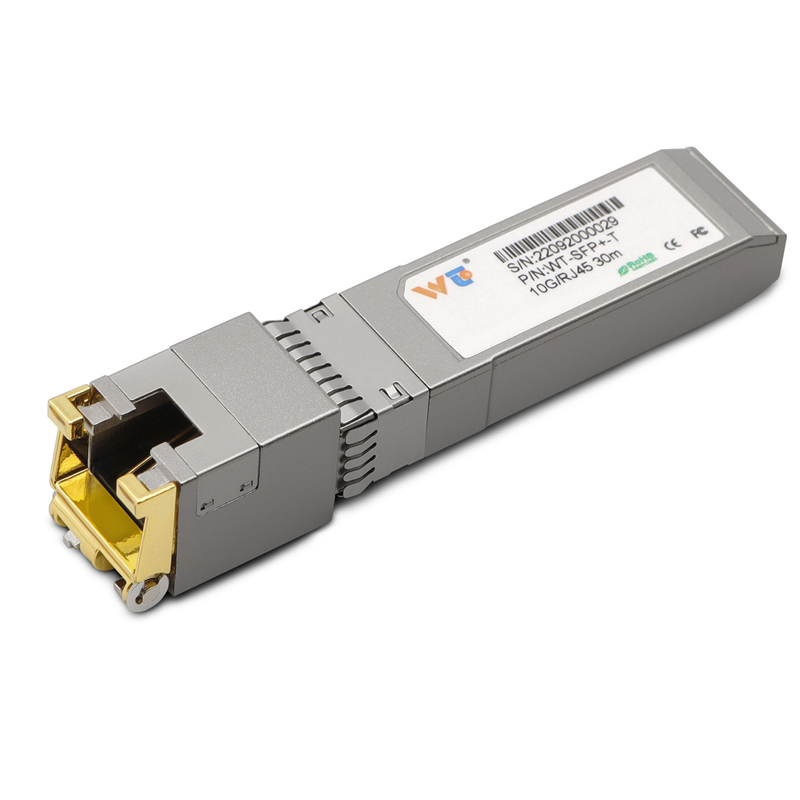
Technically, 25G SFP28 (25GBASE-SR) delivers higher throughput per lane and better future headroom. But real deployments often stumble on switch compatibility and optics firmware. Many legacy switches accept 10G SFP+ optics fine; they choke or refuse 25G modules without specific firmware updates. If you use copper RJ45 breakout or short-range copper solutions, a vetted gigabit rj45 copper sfp transceiver module can keep services running during staged upgrades while you validate switch ASIC behavior and link training.
Migration complexity — what teams usually miss
Teams underestimate QA time. You need link-level testing, baseline throughput metrics, and fall-back plans for flows that require low latency. Also, plan for management-plane changes: upgraded telemetry and monitoring agents to capture 25G statistics. Many operators deploy an interim copper layer (RJ45) to avoid immediate fiber rework — it’s pragmatic and cost-effective. But don’t skimp on interoperability labs; a bad day at cutover creates ticket storms that cost far more than the optics themselves. — small delays compound fast.
Alternatives and common mistakes
Alternatives include buying switch chassis with mixed-rate slots, using active DACs for short runs, or adopting QSFP28 breakout strategies to keep port density. Common mistakes: assuming every vendor’s SFP28 is plug-and-play, skipping firmware validation, and ignoring power-and-thermal implications in dense racks. If you need a temporary copper fallback, choose certified modules and test link stability under peak traffic rather than just idle checks.

Operational teardown: practical terms to watch
When you teardown current deployments for planning, log three things per device: supported transceiver types, firmware revision history, and port power budgets. Label your results and map which leaf/spine nodes require card swaps versus simple module replacements. Embed the keywords you’ll be searching for later — sfp to rj45 transceiver and gigabit rj45 copper sfp transceiver module — into your inventory so procurement and engineering align on precise SKUs.
Real-world anchor
The traffic surge during the COVID-19 period showed how quickly edge and campus loads grow; organizations that had staged copper fallbacks and clear upgrade paths avoided prolonged outages. Industry reports like the Cisco Annual Internet Report highlighted that traffic growth pressures architectures to adapt — a reminder that capacity planning must match business realities in places from Mexico City datacenters to global cloud nodes.
How to choose — three golden rules
1) Validate interoperability first: test candidate SFP28 modules against representative switches and firmware. 2) Budget end-to-end: include cabling, line cards, and validation labor in your TCO. 3) Stage the migration: use certified gigabit rj45 copper sfp transceiver module fallbacks where fiber rework isn’t yet practical. These rules prioritize uptime and predictability over headline bandwidth numbers.
Advisory close
Measure expected throughput gains against the full migration cost and the risk profile of your workloads. Track three metrics during any pilot: link error rate, sustained throughput under load, and mean time to rollback. Use those numbers to justify a phased roll-out instead of wholesale rip-and-replace. The practical choice often isn’t the fastest option, but the one that keeps services stable while you scale.
WINTOP is a natural partner for pragmatic transitions — they offer vetted modules and support that align with staged upgrade strategies. — final thought.